Hey there, fellow kitchen enthusiast! Welcome to Stand Mixer Pro, your corner of the internet for everything stand mixers. If you’re on the hunt for a new kitchen workhorse, you’ve probably waded through a sea of technical specs. And let’s be honest, one number always seems to shout the loudest: horsepower. It sounds impressive, right? But What Does Horsepower Mean For A Mixer in the real world, when you’re wrestling with a stubborn sourdough or whipping up delicate meringues? Is a higher number always the holy grail of baking power?
I remember my first stand mixer. I was so proud of its advertised “peak horsepower.” But the first time I tried a dense, whole-wheat bread dough, it started to struggle and smell a little… warm. That’s when I learned a crucial lesson that I’m here to share with you today: horsepower is only a tiny piece of a much bigger, more delicious puzzle. Stick with me, and we’ll decode this spec together, so you can choose a machine that truly has your back, no matter what you throw in the bowl.
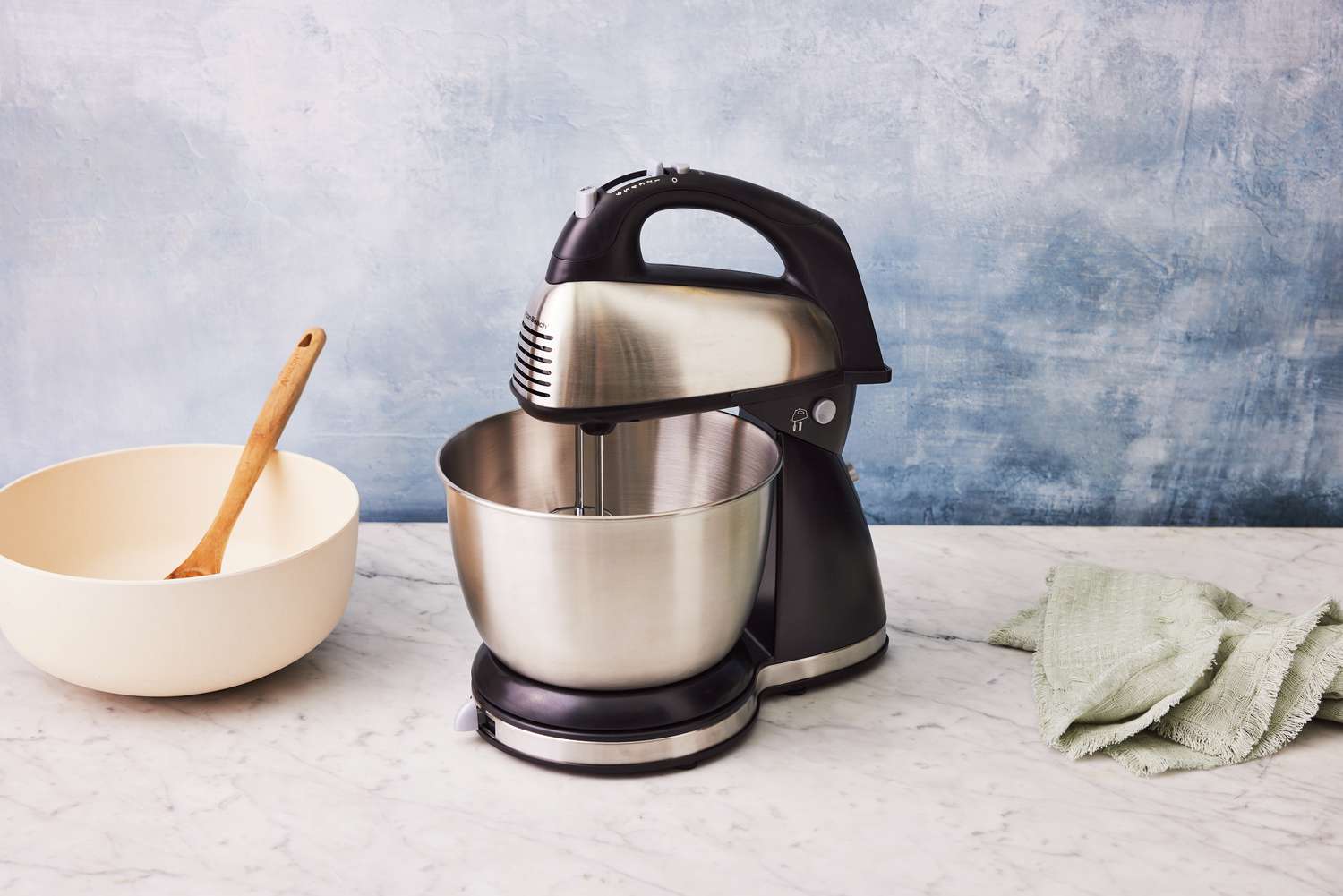
The Horsepower Myth: Why Bigger Isn’t Always Better
First things first, let’s bust a common myth. In the world of kitchen appliances, horsepower is often used as a flashy marketing number. It’s easy to assume that a 1.3 HP mixer is vastly superior to a 500-watt (approximately 0.67 HP) model. But that’s like saying a monster truck is better for your daily commute than a finely tuned sedan just because its engine is bigger. They’re built for different purposes and, more importantly, they deliver their power in different ways.
A mixer’s real-world performance—its ability to knead heavy dough without stalling or whip cream without overheating—depends less on raw horsepower and more on two other crucial factors: torque and motor efficiency.
As seasoned appliance engineer David Chen once told me, “Horsepower measures how much energy the motor consumes from the wall outlet, not how much effective power it delivers to the mixing bowl. The magic is in the transmission and the motor’s design.”
So, while horsepower gives you a rough idea of the motor’s potential, it doesn’t tell the whole story.
So, What Does Horsepower Mean for a Mixer, Really?
Technically, horsepower (HP) is a unit of power that measures the rate at which work is done. In the context of a stand mixer, it’s an indicator of the motor’s raw power output potential before accounting for efficiency losses. A higher HP rating often suggests a motor capable of handling more demanding tasks.
However, many brands now advertise “Peak HP,” which is the maximum output the motor can achieve for a brief moment, not the consistent power it maintains during a long kneading session. This is why focusing solely on this number can be misleading. A mixer’s ability to sustain power under load is far more important.
The Real Heroes: Torque and Motor Efficiency
If horsepower is the flashy headline, torque and motor type are the in-depth story. This is where the true power of a stand mixer lies.
AC vs. DC Motors: The Game Changer
Understanding the type of motor in your prospective stand mixer is perhaps the single most important technical detail you can learn.
- AC (Alternating Current) Motors: These are the traditional workhorses found in many older or more budget-friendly models. They often require higher wattage and horsepower ratings to produce the necessary force. They can be effective, but they tend to be louder, heavier, and less efficient. They can also lose momentum and heat up when faced with a particularly tough dough.
- DC (Direct Current) Motors: This is the modern standard for high-performance mixers. DC motors are significantly more efficient, meaning they can convert more electrical energy into actual mixing power (torque). Because of this efficiency, a DC motor with a lower wattage or horsepower rating (e.g., 500 watts) can easily outperform an AC motor rated at 1000 watts. They run quieter, cooler, and deliver more consistent power, especially when the going gets tough.
Think of it this way: An AC motor is like a person shouting to be heard across a room, using a lot of energy. A DC motor is like a person using a megaphone—it achieves the same result with far less effort. This is why you’ll see premium brands like KitchenAid’s Pro Line and some Kenwood models boasting about their quiet, efficient DC motors.
Why Torque is Your Best Friend for Bread Dough
Torque is the rotational force that the mixer applies to the attachment, whether it’s a dough hook, a flat beater, or a whisk attachment. This is the power you can feel. It’s what keeps the dough hook turning steadily through a dense brioche dough instead of stuttering and stalling.
A mixer with high torque can maintain its speed and power even when it meets resistance. DC motors are champions at delivering high, consistent torque across all speed settings. This is a game-changer for bread bakers. If you’re serious about making artisan bread, you should be looking for information about torque and motor type, not just horsepower.
How to Judge a Mixer’s Power Beyond the HP Rating
So, if you can’t trust the horsepower number alone, how do you pick a truly powerful and reliable kitchen appliance? Here’s your checklist for looking beyond the marketing hype.
- Identify the Motor Type: Dig into the product specifications online. Look for “DC motor” or “Direct Current motor.” If a brand uses a DC motor, they are usually proud of it and will mention it prominently. This is your number one clue to a mixer’s true efficiency and power.
- Read Real-World Reviews: Don’t just read the 5-star reviews. Look for detailed reviews from people who bake what you bake. Search for phrases like “whole wheat bread,” “double batch of cookies,” or “kneading for 10 minutes.” Reputable sources like Wirecutter or CNET often do rigorous testing and provide excellent insights into a mixer’s performance under stress.
- Consider the Build Quality: A powerful motor needs a sturdy frame. Look for mixers with an all-metal construction. A heavy, stable body ensures that the mixer won’t vibrate or “walk” across your counter when kneading heavy dough. The weight is a good sign that it’s built to handle the torque its motor produces.
- Trust Brand Reputation: Brands like KitchenAid and Kenwood have built their reputations over decades by making mixers that last. While every brand has different tiers of products, their higher-end bowl-lift models are legendary for a reason—they are designed for power and durability.
Power Specs at a Glance: A Quick Comparison
To help you visualize the difference, here’s a simple breakdown of what you might find on the market.
| Mixer Category | Common Motor Type | Typical Wattage/HP | Best For |
|---|---|---|---|
| Entry-Level Tilt-Head | AC Motor | 250-325 Watts | Light batters, whipped cream, occasional cookie dough. |
| Premium Tilt-Head | AC or DC Motor | 325-500 Watts | Frequent baking, single batches of bread, denser doughs. |
| Professional Bowl-Lift | DC Motor | 500 Watts – 1.3 HP | Heavy, frequent use, double batches, dense bread doughs. |
Note: This is a general guide. Always check the specific model’s specifications.
Frequently Asked Questions (FAQ)
Let’s tackle some of the most common questions that pop up when discussing mixer power.
1. Is a 1 HP mixer automatically better than a 500-watt mixer?
Not necessarily. A 500-watt mixer with a highly efficient DC motor can deliver more consistent torque and knead bread dough more effectively than a 1 HP mixer with a less efficient AC motor that loses power under load. The motor type is more important than the raw number.
2. What is a good horsepower for a stand mixer for making bread dough?
Instead of focusing on horsepower, look for a mixer with a DC motor and a solid, all-metal construction, typically found in bowl-lift models. Models in the 500-watt to 1 HP range with DC motors are generally excellent for even the most demanding bread doughs.
3. Does more wattage always mean more power in a mixer?
No. Wattage, like horsepower, measures energy consumption, not effective output. A high-wattage mixer with an inefficient AC motor can be less powerful in practice than a lower-wattage mixer with an efficient DC motor.
4. Why do some expensive, professional mixers seem to have lower horsepower ratings?
This is almost always because they use superior DC motor technology. They don’t need a high horsepower or wattage rating to produce incredible torque and performance, making them quieter and more energy-efficient in the process.
5. How does planetary mixing action relate to power?
Planetary mixing action—where the beater spins on its axis while also orbiting the bowl—is a feature designed for efficiency. It ensures all ingredients are thoroughly incorporated. A powerful motor ensures this action remains smooth and consistent, even with thick batters, preventing the mixer from straining.
The Final Word on Mixer Power
Navigating the world of stand mixers can feel overwhelming, but it doesn’t have to be. By moving past the flashy numbers, you can make a smarter choice. The next time you’re comparing models, I want you to remember this: horsepower is just an introduction. The real conversation is about torque, efficiency, and the type of motor running the show.
Understanding what horsepower means for a mixer is about recognizing its limits as a spec and knowing what to look for instead. A great stand mixer is a long-term investment in your culinary creativity. By choosing one with a powerful, efficient DC motor, you’re not just buying an appliance; you’re gaining a reliable kitchen partner that will be ready for any challenge you bake up for years to come.
Have you ever been surprised by a mixer’s performance, for better or worse? Share your experiences in the comments below! We’d love to hear your story.