That heart-sinking moment. You’re halfway through whipping up a batch of your famous chocolate chip cookies, and suddenly, your trusty stand mixer sputters, makes a noise you’ve never heard before, and grinds to a halt. The silence in your kitchen is deafening. Before you start frantically searching for a new one, a critical question pops into your head: Can You Repair A Stand Mixer Yourself? As your go-to expert at Stand Mixer Pro, I’m here to tell you that in many cases, the answer is a resounding yes.
It’s a common misconception that these kitchen workhorses are complex black boxes. In reality, many of the most frequent issues are surprisingly straightforward to diagnose and fix with a little patience and the right guidance. Think of your stand mixer less like a modern smartphone and more like a classic car—robust, mechanical, and often repairable. This guide will walk you through everything you need to know to decide if a DIY repair is right for you, how to tackle common problems, and when it’s time to call in a professional.

Before You Grab Your Toolbox: A Crucial Checklist
Hold on there, eager beaver! Before you start taking things apart, let’s run through a quick mental checklist. Tackling a repair you’re not prepared for can turn a small problem into a big, expensive one. Ask yourself these questions first.
Is Your Stand Mixer Still Under Warranty?
This is rule number one. Before a single screw is turned, check your warranty status. Most manufacturers, like KitchenAid or Kenwood, offer at least a one-year warranty. If your machine is still covered, stop right now. Attempting to repair a stand mixer yourself will almost certainly void that warranty. Contact the manufacturer’s customer service first; a free, professional repair is always the best option.
How’s Your DIY Skill Level?
Let’s be honest with ourselves. Are you the person who successfully assembles flat-pack furniture without any leftover parts, or does the thought of a screwdriver give you a headache?
- Beginner: You’re comfortable with basic tasks. For you, fixes like adjusting the beater height or troubleshooting a power issue are perfect starting points.
- Intermediate: You’ve dabbled in minor home or appliance repairs before. You’re probably comfortable opening the machine’s housing to tackle something like replacing a worn-out gear.
- Advanced: You have experience with electronics and motors. More complex issues involving the speed control plate or motor brushes might be within your wheelhouse.
Never jump into a repair that feels far beyond your comfort zone. There are plenty of resources online, but nothing replaces hands-on confidence.
Do You Have the Right Tools and Parts?
You can’t fix a car with a butter knife, and the same goes for your mixer. Most basic stand mixer repairs will require:
- A set of Phillips and flat-head screwdrivers
- A putty knife or flat tool for prying open the housing
- Needle-nose pliers
- A small bowl to keep track of screws
- Replacement parts specific to your model (gears, grease, brushes, etc.)
Always source high-quality replacement parts. You can often find them directly from the manufacturer or trusted third-party appliance part websites. Using a cheap, knock-off part is a recipe for another breakdown down the line.
Common Stand Mixer Issues and DIY Fixes
Alright, you’ve passed the initial checks and you’re ready to get your hands dirty. Here are some of the most common ailments that plague stand mixers and how you can be the hero your kitchen needs.
Safety First! Before you begin any of these repairs, the absolute, non-negotiable first step is to UNPLUG YOUR STAND MIXER from the wall outlet. No exceptions.
Problem 1: The Beater is Hitting the Bottom of the Bowl
This is probably the most common issue and, thankfully, the easiest to fix! If you hear a clanking or scraping sound, or if your whisk attachment isn’t quite reaching the ingredients at the bottom, your beater-to-bowl clearance is off.
The Fix: The Dime Test
This classic trick works perfectly for most tilt-head models.
- Place a dime in the bottom of your empty mixing bowl.
- Attach the flat beater and lock the mixer head down.
- Turn the mixer on to the lowest speed. The beater should move the dime around the bowl gently, about a quarter to a half-inch with each pass.
- If it doesn’t touch the dime, the beater is too high. If it pushes the dime hard and constantly, it’s too low.
- Unplug the mixer. Look for a small screw in the hinge where the head tilts. Using a flat-head screwdriver, turn the screw counter-clockwise to raise the beater or clockwise to lower it. Make small, quarter-turn adjustments at a time.
- Repeat the dime test until the clearance is just right. It’s a simple tweak that makes a world of difference in mixing performance.
Problem 2: The Dreaded Grinding Noise and Leaking Oil
I remember the first time my trusty mixer started making a horrible grinding sound and I saw a bit of greasy residue. My heart sank. This almost always points to one thing: a worn-out worm gear and old grease.
Why does this happen? Inside your mixer is a special nylon gear called the “worm follower gear.” It’s designed to be the weakest link. If the mixer is overloaded (e.g., with a very stiff bread dough), this plastic gear will strip itself to protect the much more expensive motor from burning out. It’s a brilliant piece of engineering! The leaking oil is just the food-safe grease separating over years of use.
The Fix: A Gear Swap and Re-Grease
This is an intermediate-level repair, but totally doable.
- Order your parts: You’ll need the correct worm gear for your model and a tub of food-grade stand mixer grease.
- Disassemble: Carefully remove the screws holding the outer housing or planetary cover on. Keep track of which screw goes where!
- Clean out the old gunk: You’ll see the old, separated grease and likely some plastic shavings from the old gear. Scrape it all out thoroughly. This is the messy part.
- Replace the gear: Remove the old worm gear and slide the new one into place.
- Re-pack with new grease: Be generous! The goal is to pack the gearbox full of the new grease to ensure everything stays lubricated and cool for years to come.
- Reassemble: Carefully put everything back together.
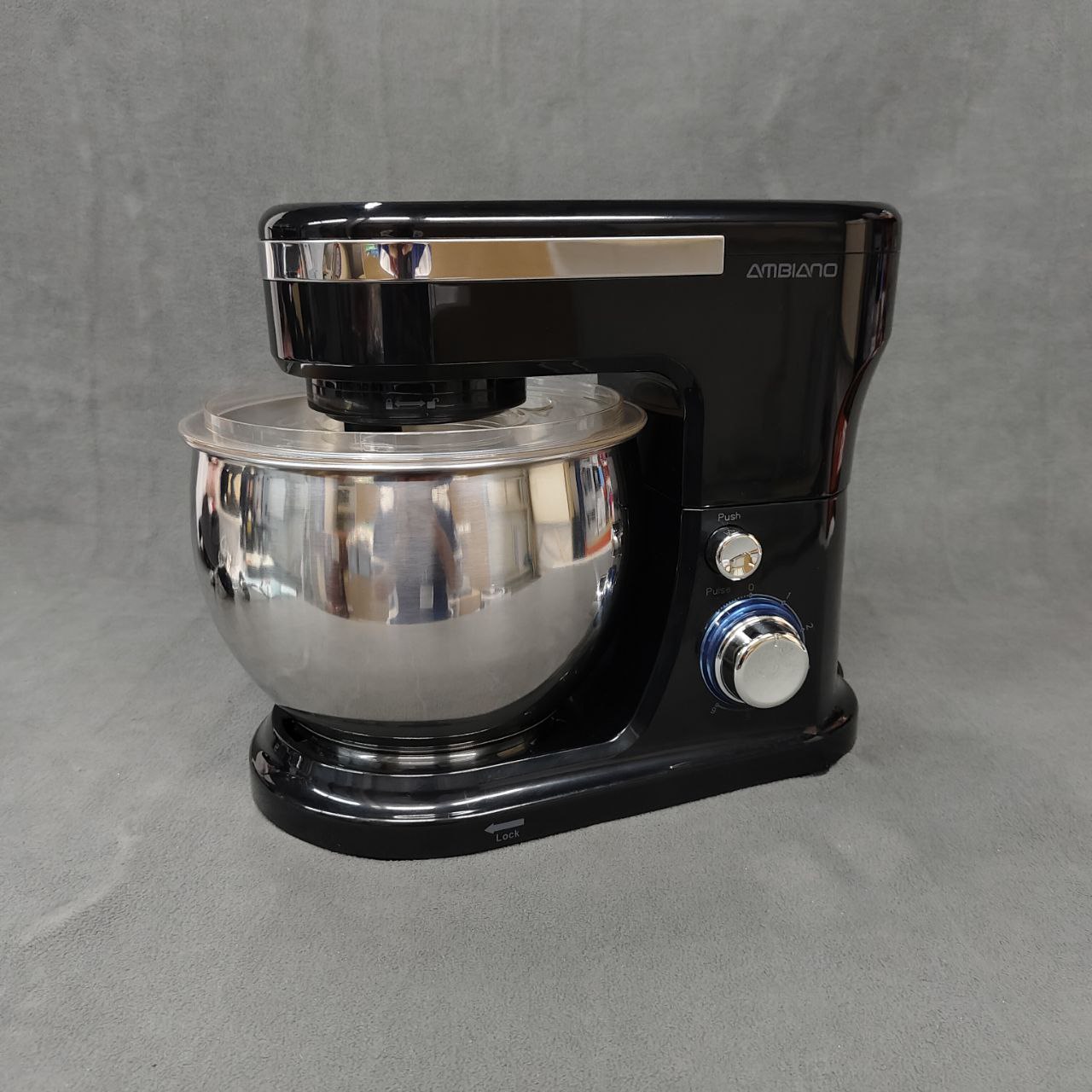
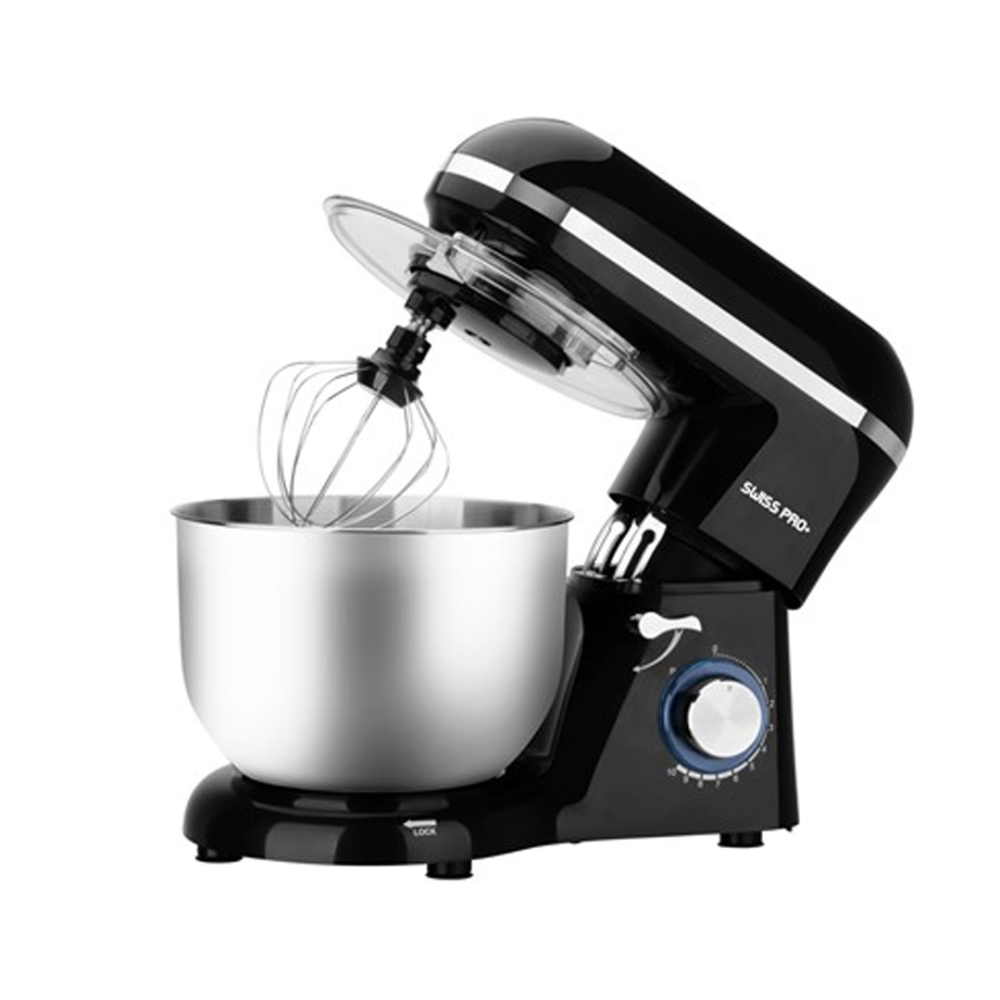
Successfully completing this repair is incredibly rewarding and can add another decade of life to your beloved kitchen appliance.
Problem 3: The Mixer Won’t Turn On at All
Before you panic, let’s check the simple stuff. This is a process of elimination.
- Is it plugged in correctly? I know, I know, but you’d be surprised. Make sure the plug is secure in the wall.
- Did the outlet lose power? Test the outlet with another small appliance, like a lamp, to make sure it’s working. Check your home’s circuit breaker.
- Is the mixer overloaded? Some newer models have thermal overload protection that will shut the mixer off if it gets too hot. Unplug it, let it cool down for 30 minutes, and try again.
If none of these work, the issue could be more complex, like a faulty power cord, a blown fuse within the mixer, or a bad speed control plate. These can be more advanced repairs.
Red Flags: When to Step Away and Call a Pro
While learning to repair a stand mixer yourself is empowering, it’s just as important to know your limits. It’s time to put the tools down and find a qualified repair technician if you encounter any of these issues:
- You see smoke or smell burning plastic: This indicates a serious motor or electrical problem. Unplug it immediately and do not use it.
- There are visible sparks: This is another major electrical hazard.
- The motor attempts to turn but can’t: If you’ve ruled out a stripped worm gear, this could be a seized motor, which is a major and expensive repair.
- You’ve taken it apart and can’t put it back together: It happens! Don’t force it. A professional can reassemble it correctly and make sure it’s safe to operate.
According to appliance repair specialist, Maria Jenkins, “The most common stand mixer failure is also the most fixable. The worm gear is designed to be the weak link, saving your motor from burning out. It’s a five-dollar part that can save you from a five-hundred-dollar replacement. But if you see smoke or sparks, that’s the machine telling you it needs an expert.”
Frequently Asked Questions (FAQ)
1. Is it worth repairing an old stand mixer?
Absolutely. Older stand mixers, especially vintage KitchenAid models, were often built with all-metal gears and are legendary for their durability. A simple re-greasing or gear replacement can give them a whole new lease on life, often for less than $50 in parts.
2. Where can I find reliable replacement parts for my mixer?
Start with the manufacturer’s official website. There are also many reputable online appliance part stores. Be sure to have your mixer’s exact model number handy to ensure you’re ordering the correct component.
3. How much does it cost to have a Stand Mixer Professionally repaired?
This varies widely by location and the nature of the problem. A simple diagnostic and minor repair might cost between $75-$150, while a full motor replacement could be significantly more. Always get a quote before agreeing to the service.
4. Can I use a different type of grease in my stand mixer?
No. You must use food-grade grease specifically designed for stand mixers. Using automotive or other industrial greases can contaminate your food and damage the internal components of your machine.
5. How often should I perform maintenance if I can’t repair a stand mixer myself?
Even if you don’t do major repairs, you can extend your mixer’s life. Wipe it down after every use, perform the “dime test” once a year to check beater clearance, and listen for any new or unusual noises, which can be an early warning sign of trouble.
Your Kitchen, Your Call
So, can you repair a stand mixer yourself? For many common issues, you absolutely can. It’s a fantastic way to save money, reduce waste, and build a deeper connection with the tools you use to create amazing food. By starting with the simple fixes and honestly assessing your skills, you can confidently diagnose problems and bring your trusted mixing companion back to life.
A stand mixer is more than just a kitchen appliance; it’s an investment in your passion for baking and cooking. Learning how to care for it, and even fix it, ensures that investment pays delicious dividends for years to come. Now, who’s ready to get back to those cookies?