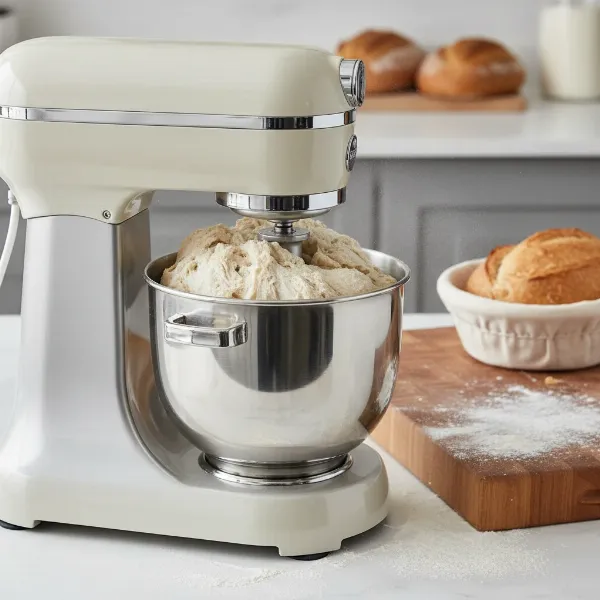
Baking in a small kitchen or apartment can feel like a delicate dance, where every inch of counter space is a precious commodity. You love the idea of freshly baked bread, homemade cookies, or a perfectly whipped meringue, but a bulky stand mixer often seems like an unattainable luxury. The good news? You don’t have to sacrifice your culinary dreams for a lack of space. The market is now brimming with innovative, compact stand mixers designed to fit seamlessly into smaller living areas, offering powerful performance without dominating your countertop.
As an admin of Standmixerpro.com with over a decade of hands-on experience in the world of stand mixers, I understand the unique challenges and desires of home bakers in compact environments. From classic models to the latest space-saving innovations, I’ve repaired, reviewed, and put countless machines through their paces in various recipes. My goal is to empower you with the expertise to choose the perfect compact stand mixer that not only fits your kitchen but also ignites your passion for baking. Let’s explore the authentic and practical world of stand mixers tailored for smaller spaces!
Stand Mixer: Overview and Benefits for Compact Living
A stand mixer is an indispensable kitchen appliance that automates the laborious tasks of mixing, whisking, and kneading, freeing your hands to focus on other aspects of your recipe. Unlike handheld mixers, a stand mixer’s powerful motor, stable base, and planetary mixing action ensure consistent and thorough incorporation of ingredients, from delicate egg whites to stiff bread dough.
Historically, stand mixers were often large, heavy machines, but their evolution has brought forth more compact and efficient designs. Today, stand mixers primarily come in two styles: tilt-head and bowl-lift. For small kitchens, tilt-head stand mixers are generally more convenient. Their design allows the head to tilt back, providing easy access to the bowl and attachments, which is particularly useful when working under low-hanging cabinets or in tight corners. Bowl-lift models, while typically more stable and powerful for very large batches, often have a taller and heavier footprint, making them less practical for frequent storage or limited counter space.
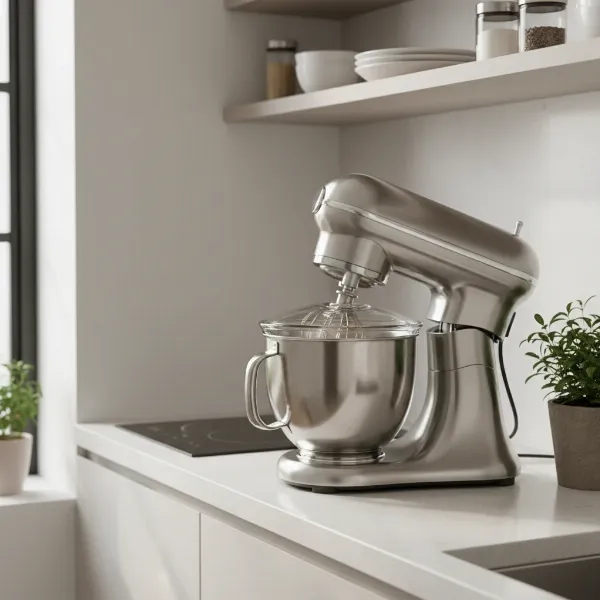 A compact, silver tilt-head stand mixer effortlessly mixing ingredients on a small kitchen counter.
The primary benefit of a compact stand mixer for those in smaller homes is its ability to deliver the power and versatility of a traditional mixer in a reduced form factor. These machines save precious countertop real estate, are easier to move for storage, and often operate with a quieter hum – a significant advantage in open-plan apartments or shared living spaces. They transform repetitive manual tasks into effortless endeavors, making baking a joyful and accessible activity for everyone, regardless of kitchen size.
Choosing the Perfect Stand Mixer for Your Small Kitchen
Selecting a stand mixer for a compact space requires careful consideration beyond just raw power. It’s about finding the ideal balance between performance, size, and practicality for your unique baking habits.
Assess Your Baking Needs
Before you even begin to look at models, take an honest inventory of your baking routine.
- What do you bake most often? Are you whipping up light batters for cakes and cookies, or do you frequently tackle dense bread and pizza dough?
- How often do you bake? Is it an occasional weekend hobby or a daily passion?
- What are your typical batch sizes? Are you baking for one or two, a small family, or hosting larger gatherings that require double batches?
|
Our Picks for the Best Stand mixer in 2026
As an Amazon Associate I earn from qualifying purchases.
|
||
| Num | Product | Action |
|---|---|---|
| 1 | Cuisinart Stand Mixer, 12 Speeds, 5.5-Quart Mixing Bowl, Chef's Whisk, Flat Mixing Paddle, Dough Hook, and Splash Guard with Pour Spout, Silver Lining, SM-50BC, Silver Lining |

|
| 2 | Cuisinart SMD-50CRM Precision Pro 5.5-Quart Digital Stand Mixer with 12-Speeds, 3 Preprogrammed Food Prep Settings, Mixing Bowl, Chef's Whisk, Flat Mixing Paddle, Dough Hook, and Splash Guard, Cream |
|
| 3 | Cuisinart SMD-50BC Precision Pro 5.5-Quart Digital Stand Mixer With 12-Speeds, 3 Preprogrammed Food Prep Settings, Mixing Bowl, Whisk, Flat Mixing Paddle, Dough Hook, And Splash Guard, Silver Lining |
|
| 4 | Cuisinart SM-50G Precision Master 5.5-Quart 12-Speed Stand Mixer with Mixing Bowl, Chef's Whisk, Flat Mixing Paddle, Dough Hook, and Splash Guard with Pour Spout, Agave Green, Manual |
|
| 5 | 3-IN-1 Electric Stand Mixer, 6.5QT Bowl 660W 10-Speed Kitchen Mixer, Household Food Mixers include Dough Hook, Beater and Whisk, Bread Cake Mixer for Baking and Most Home Cooks, Red |
|
| 6 | Kitchen in the box Stand Mixer,3.2Qt Small Electric Food Mixer,6 Speeds Portable Lightweight Kitchen Mixer for Daily Use with Egg Whisk,Dough Hook,Flat Beater (Black) |
|
| 7 | Cuisinart SPI-50 Spiralizer, White |
|
| 8 | Kitchen in the box Stand Mixer,3.2Qt Small Electric Food Mixer,6 Speeds Portable Lightweight Kitchen Mixer for Daily Use with Egg Whisk,Dough Hook,Flat Beater (Blue) |
|
| 9 | Kitchen in the box Stand Mixer,3.2Qt Mini Electric Food Mixer,6 Speeds Portable Lightweight Kitchen Mixer for Daily Use with Egg Whisk,Dough Hook,Flat Beater (Green) |
|
| 10 | Cuisinart SMD-50GPH Precision Pro 5.5-Quart Digital Stand Mixer with 12-Speeds, 3 Preprogrammed Food Prep Settings, Mixing Bowl, Whisk, Flat Mixing Paddle, Dough Hook, and Splash Guard, Graphite |
|
For most small households or individuals, a compact mixer will effortlessly handle everyday tasks like whipping cream, mixing cookie dough, and preparing cake batter. If you’re a dedicated bread maker, you’ll need to prioritize models with sufficient power and stability, even in a compact form.
Size and Footprint Are Paramount
This is arguably the most critical factor for small kitchens. A stand mixer, even a compact one, needs a designated spot.
- Measure your space: Accurately measure the depth, width, and especially the height of your countertop or any cabinet where you plan to store the mixer. Remember that tilt-head models need extra vertical clearance when the head is tilted back.
- Consider weight: Lighter models (around 18-25 pounds) are much easier to lift and move in and out of cupboards. While heavier machines generally offer more stability, a well-designed lighter model can still perform admirably for typical small-batch needs.
- Tilt-Head vs. Bowl-Lift: As discussed, tilt-head designs are typically more space-friendly and easier to manipulate under cabinets.
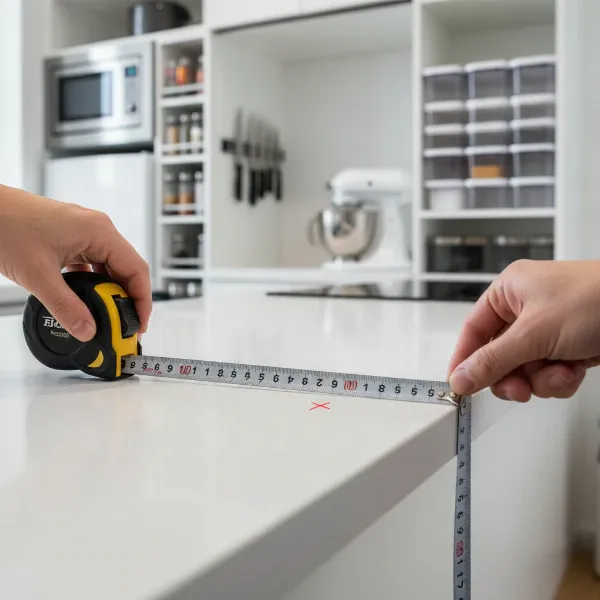 A person measuring countertop dimensions for a compact stand mixer in a small, modern kitchen.
Bowl Capacity: Don’t Go Too Big or Too Small
The bowl capacity directly correlates with the amount of ingredients you can mix.
- For small households (1-3 people): A bowl in the 3.5 to 5-quart (approximately 3.3-4.7 liters) range is often ideal. This size is large enough for birthday cakes, a dozen or two cupcakes, or dough for a couple of loaves of bread.
- Avoid extremes: A bowl that’s too large can make it difficult for attachments to properly mix small quantities (e.g., whipping a single egg white). Conversely, a bowl that’s too small will limit your batch sizes, forcing you to mix in multiple rounds, which defeats the purpose of efficiency. Aim for a usable capacity that comfortably handles your most frequent recipes.
Power and Performance for Compact Living
While compact mixers may not boast the same raw wattage as commercial-grade machines, many offer ample power for home baking.
- Wattage: Look for mixers with at least 250-300 watts for general tasks like mixing batters. If you plan to frequently knead heavier bread doughs, aim for models closer to 500-600 watts, even in a compact size, and always respect the mixer’s stated capacity limits for dense mixtures to prevent motor strain.
- Stability: A stable base is crucial. Even a compact mixer shouldn’t “walk” across your counter when mixing. Look for non-slip feet and solid construction.
- Noise Levels: In apartments or open-plan living, a noisy mixer can be intrusive. Some compact models are specifically designed for quieter operation. Prioritize models with smooth speed control to manage noise, especially at higher settings.
Essential Features and Attachments
Simplicity and practicality are key when space is limited.
- Standard Attachments: Ensure your chosen mixer includes the core trio: a flat beater (for batters), a dough hook (for kneading), and a wire whisk (for aerating).
- Splash Guard: A removable splash guard is invaluable for keeping ingredients contained, especially when adding flour or sugar, minimizing mess in a small kitchen.
- Nesting Accessories: Some manufacturers design attachments and bowls to nest, making storage more efficient.
- Speed Control: Multiple speed settings and a pulse function offer versatility for various recipes.
Brand Reputation and Budget
Investing in a stand mixer is a significant decision.
- Trusted Brands: KitchenAid is a dominant and highly regarded brand, with models like the Artisan Mini being a popular choice for compact spaces. Other reputable brands offer excellent compact options as well.
- Price vs. Quality: While it’s tempting to go for the cheapest option, remember that you’re investing in durability and performance. Sometimes, you pay a premium for a compact design that doesn’t compromise on quality. Balance your budget with the features and reliability you need for long-term use.
Top Compact Stand Mixers for Small Spaces: A Detailed Comparison
Here’s a comparison of popular compact stand mixers that strike a balance between capacity, power, and footprint, making them suitable for small kitchens and apartments.
| Feature | KitchenAid Artisan Mini 3.5-Qt Tilt-Head | Salter Marino 5L Stand Mixer | Emperial 5L Stand Mixer | Aucma 6.2L Stand Mixer |
|---|---|---|---|---|
| Capacity | 3.5 quarts (approx. 3.3 liters) | 5 liters (approx. 5.3 quarts) | 5 liters (approx. 5.3 quarts) | 6.2 liters (approx. 6.5 quarts) |
| Power (Wattage) | 250W | 1200W | 1200W | High-powered (approx. 1000-1200W implied) |
| Design | Tilt-Head | Tilt-Head | Tilt-Head | Tilt-Head |
| Key Features for Small Kitchens | Compact footprint, lighter weight, flex-edge beater, wide range of colors. | Strong motor for size, 6 speeds + pulse, splash guard, compact footprint. | Balance of performance/practicality, 6 speeds, splash guard, modest footprint. | Generous capacity within compact range, straightforward operation, durable. |
| Pros | Excellent for small batches, easy to store, compatible with KitchenAid attachments. | Handles everyday baking and occasional bread well, good value. | Good for family-sized recipes, effective splash guard, blends into decor. | Great for larger batches within a relatively compact form, good for bread/pizza dough. |
| Cons | Can be loud/wobbly with heavy dough, limited for larger recipes, lower wattage. | Can be “lively” at high speeds, tilt-head height needs cabinet clearance. | Can be loud at full power, lighter build than premium models. | Larger end of “compact,” can be noisy with tough doughs, may still be too big for very small spaces. |
| Best For | Daily bakers, small families, light baking, limited counter space. | Everyday baking, occasional bread, good all-rounder for small households. | Home bakers needing slightly more capacity without a massive footprint. | Batch bakers in slightly less constrained small kitchens. |
Note: Wattage and exact dimensions can vary slightly by specific model iteration and region.
Maximizing Your Compact Stand Mixer: Tips for Use and Care
Once you’ve chosen your compact companion, proper use and maintenance will ensure it serves your baking needs for years to come.
Safe and Efficient Operation
- Read the Manual: Always start by reading your mixer’s user manual. It contains crucial information specific to your model, including recommended capacities and cleaning instructions.
- Stable Surface: Ensure your stand mixer is placed on a flat, stable, and non-slip surface before operating. This is especially important for compact models that might be lighter.
- Mind the Capacity: Never overfill the bowl, particularly with heavy doughs. Overworking the motor can lead to strain, overheating, and reduced lifespan. For dense mixtures like bread dough, stay within the manufacturer’s recommended flour capacity, often less than the stated bowl volume.
- Add Gradually: Introduce ingredients slowly, especially dry ones, to prevent “flour clouds” and ensure even mixing, reducing splatters in a small workspace.
- Scrape Down: Even with efficient attachments, periodically stopping to scrape down the sides of the bowl ensures all ingredients are fully incorporated.
Cleaning and Maintenance for Longevity
Regular cleaning and care are vital for any kitchen appliance.
- Clean After Each Use: Disassemble attachments and the bowl immediately after use. Most bowls and standard attachments (beater, dough hook) are dishwasher-safe, but always check your manual. Wire whisks often require hand washing to maintain their shape.
- Wipe Down the Base: Use a damp cloth to wipe the mixer’s head and base. Avoid abrasive cleaners that can damage the finish. Ensure all parts are thoroughly dry before reassembling or storing.
- Regular Inspection: Periodically check the power cord for any damage and ensure attachments fit securely. Listen for unusual noises during operation, which might indicate a need for maintenance.
Smart Storage Solutions
The beauty of a compact mixer lies in its ability to be stored efficiently.
- Under-Cabinet Fit: Measure your cabinet clearance carefully. Tilt-head models are often best for fitting under standard kitchen cabinets when not in use.
- Accessible Storage: If you can’t keep it on the counter, choose a storage spot that’s easy to access. A pantry shelf, a dedicated appliance cupboard, or even a sturdy utility cart can work. Since compact models are lighter, moving them is less of a chore.
- Nest Components: Store attachments inside the mixing bowl when possible to keep everything together and minimize clutter.
Where to Purchase Your Compact Stand Mixer
Finding the right compact stand mixer is easier than ever with various retail options.
- Department Stores and Home Goods Retailers: Stores like Macy’s, Bed Bath & Beyond, or Target often carry a range of stand mixers, including compact models. This allows you to see the mixers in person, assess their size, and sometimes even take advantage of sales.
- Electronics Stores: Retailers specializing in electronics may also offer a selection of kitchen appliances.
- Online Retailers: Websites like Amazon, Williams Sonoma, Wayfair, and the manufacturers’ own sites (e.g., KitchenAid.com) provide the widest selection, competitive pricing, and often detailed reviews.
- Tips for Online Buying: Always check product dimensions, read recent customer reviews focusing on size and performance in small kitchens, and compare shipping and return policies before making a purchase.
Compact Stand Mixer Buying Guide: Expert Advice
Choosing a stand mixer for a small kitchen or apartment is a strategic decision that balances your passion for baking with the realities of limited space. Remember these core principles:
- Prioritize Size: Measure your available space precisely. A mixer that fits comfortably is one you’ll use often.
- Match Capacity to Needs: Opt for a bowl size (typically 3.5-5 quarts) that suits your regular batch sizes, rather than one that’s too large or too small for your everyday recipes.
- Don’t Overlook Power: While size is important, ensure the motor wattage is sufficient for your most frequent tasks, especially if you love to bake bread.
- Choose Tilt-Head: For ease of use and fitting under low cabinets, a tilt-head design is generally preferable in compact kitchens.
- Focus on Essentials: Standard attachments and a good splash guard are more valuable than numerous bulky extras.
“The smallest stand mixer that comfortably handles your heaviest regular recipe is always the best choice for a compact kitchen, not the biggest one you can afford.” – Admin, Standmixerpro.com
By keeping these insights in mind and avoiding common mistakes like prioritizing oversized power or capacity you won’t regularly use, you’ll confidently invest in a compact stand mixer that truly earns its place in your small kitchen, transforming your baking experience.
Frequently Asked Questions
Is a compact stand mixer powerful enough for bread dough?
Yes, a well-designed compact stand mixer can handle occasional bread and pizza dough. Models with 5-liter bowls and 1000-1200 watts of power, such as the Salter Marino or Emperial, are generally sufficient for one to two loaves. However, for heavy rye loaves or frequent, large-batch bread making, a more robust, larger-capacity mixer might be necessary to prevent motor strain.
What bowl size is best for a small household?
For one to three people, a stand mixer with a bowl in the 3.5 to 5-liter (approximately 3.7-5.3 quarts) range is often ideal. This capacity is versatile enough for most common baking tasks like cakes, cookies, and moderate bread recipes, while still allowing attachments to efficiently mix smaller quantities like a few egg whites or a single batch of frosting.
How noisy are compact stand mixers?
Noise levels vary among compact stand mixers, but they are generally comparable to a food processor or a powerful hand mixer. They tend to be quieter at lower and medium speeds and may become louder at maximum speed, especially when processing stiff doughs. If you live in an apartment or open-plan home, look for models with a reputation for stable operation and consider running them at lower speeds for extended periods to minimize disturbance.
Do I need a tilt-head or bowl-lift mixer for a small kitchen?
For most small kitchens, a tilt-head stand mixer is more convenient. Its design typically has a smaller footprint and allows for easier access to the bowl and attachments by simply tilting the head back. This is particularly advantageous under low wall cupboards or in tight corners. Bowl-lift mixers tend to be larger, heavier, and taller, making them less practical for compact spaces where ease of movement and storage are crucial.