Welcome to Stand Mixer Pro, where we turn kitchen appliances into your most trusted culinary partners. If you’re wondering how to make cake batter in a stand mixer, you’ve come to the right place. I remember getting my first stand mixer; it felt like unlocking a new level in the game of baking. Suddenly, tired arms were a thing of the past, and my cakes went from pretty good to consistently amazing. This powerful kitchen appliance is your ticket to lighter, fluffier, and more evenly mixed cake batters, every single time. Ready to ditch the hand mixer and elevate your baking? Let’s dive in.
A stand mixer isn’t just about convenience; it’s about precision and consistency that’s hard to replicate by hand. It’s a game-changer for so many recipes, but for cake, it’s truly transformative. For those curious about its range, you might ask, can you use a stand mixer for everything? While it’s incredibly versatile, it truly shines when making batters and doughs.
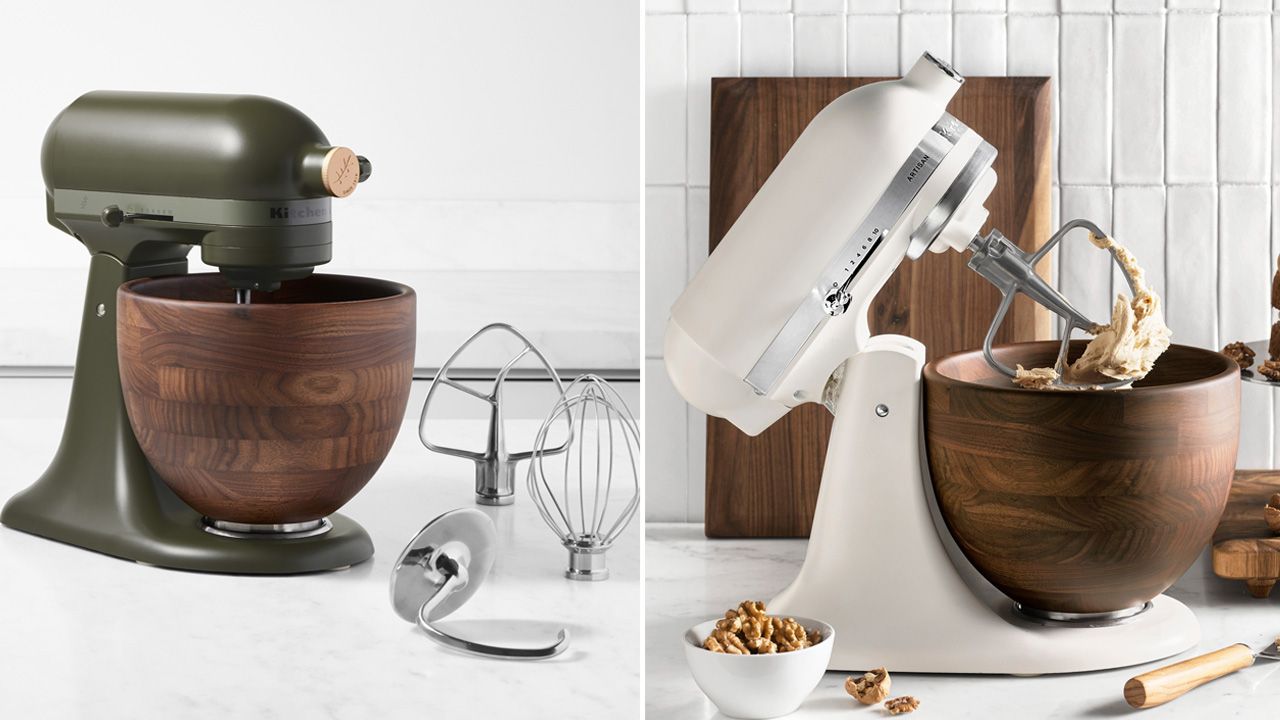
Why a Stand Mixer is Your Cake’s Best Friend
So, what’s the big deal? Why use a stand mixer over a bowl and a whisk? The secret lies in two things: power and technique. A good Stand Mixer Provides consistent, hands-free power that ensures every ingredient is perfectly incorporated. This is especially crucial for the creaming method, which is the foundation of many classic butter cakes.
- Superior Aeration: A stand mixer whips air into your butter and sugar with an efficiency you just can’t match by hand. This aeration creates a fine crumb and a light, tender texture.
- Proper Emulsification: Adding eggs correctly is key to a stable batter. The mixer’s steady action helps the fats and liquids combine into a smooth, homogenous mixture, preventing a curdled or greasy result.
- Hands-Free Efficiency: While the mixer does the heavy lifting, your hands are free to measure the next ingredients, grease a pan, or simply sip a cup of coffee. It’s like having a sous chef on your countertop.
- Consistent Results: The planetary mixing action—where the beater spins on its axis while also rotating around the bowl—ensures no pockets of unmixed flour or butter are left behind. Every cake you bake will have the same great texture.
Understanding Your Attachments: The Right Tools for the Job
Before we begin, let’s talk tools. Your stand mixer likely came with three core attachments. For cake batter, you’ll primarily use two of them.
The Flat Beater (or Paddle Attachment)
This is your go-to, your workhorse for most cake batters. Its design is perfect for combining ingredients without whipping in too much air (which can happen with a whisk). It’s ideal for creaming butter and sugar, mixing in eggs, and gently incorporating dry and liquid ingredients. The paddle’s job is to mix, scrape, and fold, making it the MVP for cakes, cookies, and frostings. This is also the attachment you’d turn to when making other batters; you can explore this further in our guide on how to use stand mixer for pancakes.
The Wire Whisk (or Whip)
The whisk is designed for one thing: incorporating a massive amount of air. Think meringues, whipped cream, or angel food cake. You can use it for very light, egg-foam-based cakes, but for traditional butter or oil-based cakes, it can over-aerate the batter, leading to a cake that rises dramatically in the oven and then collapses. Stick with the paddle unless your recipe specifically calls for whipping eggs or cream to stiff peaks.
How to Make Cake Batter in a Stand Mixer: The Ultimate Step-by-Step Guide
Alright, let’s get down to business. We’ll use the classic “creaming method” as our example, as it’s the foundation for countless cake recipes, from vanilla birthday cake to rich chocolate fudge cake.
According to renowned pastry chef Amelia Thorne, “The success of a cake is often decided in the first five minutes. Perfect creaming isn’t just a step; it’s the foundation of the entire structure. Your stand mixer is the best tool to build that foundation flawlessly.”
Step 1: Preparation is Everything (Mise en Place)
Before you even turn the mixer on, get your ingredients ready. This is a non-negotiable step for stress-free baking.
- Bring Ingredients to Room Temperature: This is critical! Cold butter won’t cream properly, and cold eggs can cause your batter to curdle. Take your butter, eggs, and any dairy (like milk or sour cream) out of the fridge at least an hour before you begin.
- Measure Everything: Measure your flour, sugar, leavening agents, and liquids. Sift your dry ingredients together in a separate bowl. This ensures they are evenly distributed.
- Set Up Your Mixer: Attach the flat beater (paddle) and lock the bowl into place.
Step 2: The Creaming Method
This is where the magic begins. The goal is to beat the butter and sugar together until they are light, pale, and fluffy.
- Place your room-temperature butter in the mixing bowl. Turn the mixer on to a low-medium speed (a 2-4 on a KitchenAid) to break it up.
- Gradually add the granulated sugar.
- Once all the sugar is in, increase the speed to medium (4-6). Let it run for a full 3-5 minutes. Don’t rush this! You are literally whipping air into the fat, which will create a tender cake. You’ll know it’s ready when the mixture is visibly paler in color and has increased in volume.
Step 3: Adding the Eggs
Properly adding eggs creates a stable emulsion, which is the key to a smooth batter.
- Crack your room-temperature eggs into a separate small bowl.
- With the mixer on medium-low speed (around 3-4), add the eggs one at a time.
- Wait until each egg is fully incorporated before adding the next. This prevents the batter from breaking or looking curdled.
- Scrape down the sides and bottom of the bowl with a spatula after the last egg is mixed in to ensure everything is combined.
Step 4: Alternating Dry and Wet Ingredients
Now we add the bulk of the ingredients. The key here is to mix as little as possible to avoid developing gluten, which would make your cake tough.
- Turn the mixer down to its lowest speed. Understanding what is the slowest speed for your mixer is crucial here, as you want to gently fold, not beat, the flour in.
- Add about one-third of your sifted dry ingredients to the bowl. Mix just until it’s almost combined.
- While the mixer is still running on low, slowly pour in half of your liquid ingredients (e.g., milk or buttermilk).
- Repeat the process: add another third of the dry ingredients, mix briefly, add the remaining half of the liquid, mix, and finally, add the last of the dry ingredients.
Step 5: The Final Mix
Stop the mixer as soon as the last streaks of flour disappear. Do not overmix! Overmixing is the number one cause of dense, dry cakes. It’s always better to stop the mixer early and finish combining with a few gentle folds using a spatula. This also allows you to scrape the bottom of the bowl one last time to catch any hidden pockets of ingredients.
Common Problems and Pro Troubleshooting Tips
Even with a great kitchen appliance, things can go sideways. Here’s how to troubleshoot common issues when learning how to make cake batter in a stand mixer.
- Problem: My batter looks curdled or separated after adding the eggs.
- Cause: Most likely, your ingredients were too cold, or you added the eggs too quickly.
- Solution: While it’s hard to fix completely, try adding a tablespoon or two of your measured flour to help bring the batter back together. Next time, ensure your butter and eggs are truly at room temperature.
- Problem: Flour goes everywhere when I add it to the bowl!
- Cause: The mixer speed is too high, or you’re dumping the flour in too fast.
- Solution: Always use the lowest speed setting when adding dry ingredients. Many mixers also come with a pouring shield, which is a lifesaver. To learn more, check out our dedicated tips on how to avoid flour flying everywhere.
- Problem: My cake is dense and tough.
- Cause: Overmixing the batter after the flour was added. This develops too much gluten.
- Solution: Mix on the lowest speed and stop the moment the flour is incorporated. A few streaks of flour are okay—you can fold them in by hand.
Cleaning and Maintenance
A clean mixer is a happy mixer. Proper care will ensure your investment lasts for decades.
- Unplug the Machine: Safety first! Always unplug your stand mixer before cleaning.
- Disassemble: Remove the attachment and the bowl. Most stainless steel bowls, flat beaters, and dough hooks are dishwasher-safe (top rack), but always check your manufacturer’s manual. Wire whisks are often best washed by hand to protect their delicate structure.
- Wipe Down the Body: Use a damp, soft cloth to wipe down the mixer head and base. Never submerge the main unit in water.
- Dry Thoroughly: Make sure all parts are completely dry before reassembling to prevent rust or damage.
Frequently Asked Questions (FAQ)
What speed should I use to make cake batter in a stand mixer?
Generally, use a medium speed (4-6 on a KitchenAid) for creaming butter and sugar, a medium-low speed (2-4) for adding eggs, and the lowest speed (“Stir” or 1-2) for incorporating dry and wet ingredients.
Can I use the whisk attachment for cake batter?
It’s not recommended for most butter or oil-based cakes. The whisk incorporates too much air, which can cause the cake to collapse after baking. Stick to the flat beater (paddle) for the best structure and crumb.
How do I know if I’ve overmixed my cake batter?
An overmixed batter will look overly smooth, elastic, and almost gluey due to gluten development. When baked, the cake will likely have a tough, dense texture with tunnels or large air holes.
What’s the best way to scrape the bowl while mixing?
For safety, always stop the mixer completely before scraping. Use a flexible silicone spatula to get down to the bottom and around the sides of the bowl to ensure everything is evenly incorporated.
Can I double a cake recipe in my stand mixer?
Yes, as long as the total volume doesn’t exceed your bowl’s capacity. Check your mixer’s manual for its maximum capacity to avoid overloading the motor and making a huge mess. A good rule of thumb is not to fill the bowl more than two-thirds full.
Your Partner in Baking Adventures
Mastering how to make cake batter in a stand mixer is a foundational skill that opens up a world of baking possibilities. From simple vanilla cakes to elaborate layer cakes, this trusty kitchen appliance provides the power and precision to achieve professional-quality results right in your own kitchen. It’s an investment not just in a machine, but in your passion for creating delicious things. And isn’t that what baking is all about? If you get adventurous, you can even explore add-ons, which we touch upon in our article about how to make ice cream with stand mixer attachment.
Now go forth and bake with confidence! We’d love to hear about your cake-making successes or any questions you still have in the comments below.