You’ve just unboxed your beautiful, shiny new stand mixer. You can already smell the fresh bread and taste the fluffy cakes. You do the responsible thing and give everything a good wash before its maiden voyage. But as you dry the stainless steel bowl, your heart sinks a little. Your clean, white towel is now smudged with a strange, dark gray film. If you’re wondering, Why Is There A Black Residue In My Bowl, don’t panic! You’re not alone, and your brand-new kitchen appliance isn’t broken. I’ve seen this countless times, and today, we’re going to solve this mystery together.
This puzzling gray gunk is a common occurrence with new stainless steel kitchenware, especially high-quality mixer bowls. It’s an issue that can be easily fixed, ensuring your culinary creations are pure and delicious from the very first mix. For a deeper dive into overall maintenance, understanding how to clean a stand mixer regularly will keep your machine in prime condition for years to come. But for now, let’s tackle this specific black residue head-on.
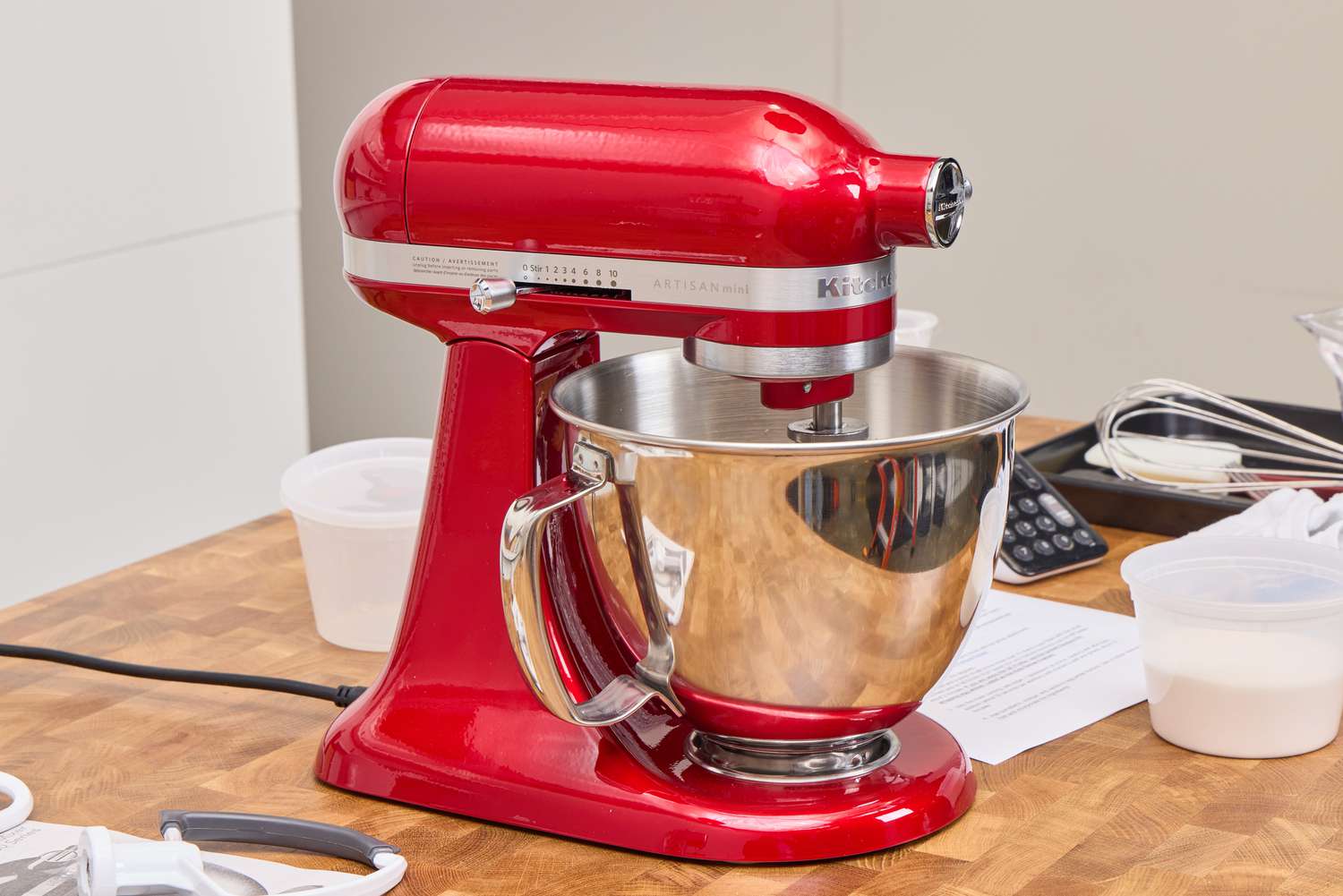
What Causes That Black Residue in My Bowl?
That unsettling black film is not a sign of a defective product. In fact, it’s a byproduct of the manufacturing process that makes your bowl so durable and shiny in the first place. The short answer is: you’re seeing a combination of polishing compound and oxidation.
The Main Culprit: Manufacturing Polish and Oxidation
Think of how a car gets its gleaming finish. It’s buffed and polished. Your stand mixer’s stainless steel bowl goes through a similar process. To achieve that smooth, mirror-like surface, manufacturers use industrial-grade polishing compounds. While they perform a factory wash, minuscule, food-safe remnants of this compound can remain trapped in the microscopic pores of the steel.
When you wash the bowl for the first time with soap and water, the friction from your cloth or sponge dislodges these particles. This fine, dark powder mixes with the water and oils on your hand, creating the gray or black residue in my bowl that you see on your towel. It’s essentially a very fine metallic dust from the finishing process.
Is This Black Stuff Harmful?
This is usually the very next question I get, and it’s an important one. The good news is that the residue is generally considered non-toxic and food-safe. It’s an inert substance left over from making the bowl. However, nobody wants extra “ingredients” in their meringue or dough. While it likely won’t harm you, it can potentially impart a faint metallic taste to your food and, let’s be honest, it’s just not appetizing. So, getting rid of it completely before you start baking is a must.
The Ultimate Guide to Removing Black Residue for Good
Getting your bowl from factory-fresh to food-ready is a simple but crucial step. Forget just soap and water; we need to perform a one-time “deep conditioning” treatment. Here’s the game plan I recommend to every new stand mixer owner.
Your Step-by-Step Cleaning Method
You’ll need a few common household items:
- Baking soda
- A small amount of water
- A soft cloth or non-abrasive sponge
- Dish soap
- Optional: White vinegar or lemon juice
Here is the step-by-step process to banish that residue:
- Create a Cleaning Paste: In a small dish, mix about a half-cup of baking soda with a few tablespoons of water. You’re aiming for a thick paste, similar in consistency to toothpaste. Don’t make it too watery.
- Scour the Bowl: Scoop the baking soda paste onto your soft cloth and start scrubbing the inside of the stainless steel bowl. Apply firm, steady pressure and work in circular motions. Pay special attention to the bottom and the curved sides where the planetary mixing action of your dough hook will do its heaviest work. You may see the paste turn gray—this is a good sign! It means you’re lifting the residue.
- Let It Sit (Optional but Recommended): After you’ve scrubbed the entire interior, let the paste sit in the bowl for about 15-20 minutes. This allows the gentle abrasive quality of the baking soda to work its magic.
- Rinse and Inspect: Rinse the bowl thoroughly with warm water. Now, take a clean, dry paper towel or light-colored cloth and wipe the inside of the bowl. If it comes away clean, you can proceed to the final step. If you still see a faint black residue in my bowl, repeat the scrubbing process one more time.
- The Final Wash: Once the cloth comes away clean, give the bowl a final, thorough wash with regular dish soap and warm water to remove any remaining baking soda.
- Acidic Rinse (Optional Power-Up): For an extra layer of clean, you can do a final rinse with a solution of equal parts white vinegar and water, or simply rub the inside of the bowl with the cut side of a lemon. The mild acid helps neutralize any remaining residue and leaves the steel sparkling. Rinse with water one last time afterward.
According to Eleanor Vance, a veteran kitchen appliance engineer, “The baking soda method is effective because it acts as a very mild abrasive. It’s tough enough to dislodge the polishing compounds without scratching or damaging the passivation layer of the stainless steel, which is what protects it from rust.”
How to Prevent the Black Residue from Returning
Once you’ve performed this initial deep clean, the problem should be solved for good. This isn’t a recurring maintenance issue. However, here are a few tips to keep your bowl in pristine condition.
- Avoid Harsh Abrasives: Never use steel wool or highly abrasive cleaners on your stainless steel bowl. This can create tiny scratches where food particles can get trapped and can even lead to rust over time.
- Dry Immediately: After washing, always dry your bowl thoroughly with a soft cloth. This prevents water spots and maintains its shine.
- Use the Right Attachments: Always ensure your flat beater, dough hook, or whisk attachment is properly seated. An improperly installed beater can scrape against the bottom of the bowl, potentially creating a metallic residue.
This initial cleaning ritual is the single most important step you can take. Once done, you can focus on the fun part: using your incredible new kitchen appliance to create amazing food.
Frequently Asked Questions (FAQ)
Why is my KitchenAid bowl leaving black marks?
The black marks from a new KitchenAid bowl are almost always caused by residual polishing compound from the manufacturing process. Following a deep cleaning procedure using a baking soda paste will effectively remove this residue and make the bowl perfectly food-safe.
Is the black residue in my bowl dangerous to eat?
While the residue is considered non-toxic and is made of food-grade materials, it’s not meant to be ingested. It can affect the taste and appearance of your food. It is highly recommended to remove it completely before the first use.
Can I just wash the bowl in the dishwasher to remove the black stuff?
A dishwasher cycle is usually not abrasive enough to remove the stubborn manufacturing polish. The friction and mild abrasiveness of a manual scrub with baking soda paste is the most effective method to solve the why is there a black residue in my bowl issue.
Does this black residue happen with glass or ceramic bowls?
No, this issue is specific to new stainless steel bowls due to the way they are polished and finished. Glass and ceramic bowls do not go through the same buffing process and will not have this type of metallic residue.
I’ve used my bowl a few times and just noticed the residue. Is it too late?
It’s never too late. Simply empty the bowl and perform the baking soda deep cleaning method described above. Afterward, you may want to discard any food that was prepared in it, just to be safe and ensure the best taste.
Your Stand Mixer Is Ready for Action
Finding that mysterious gray film can be disheartening, but now you know exactly what it is and how to get rid of it. It’s a simple rite of passage for many new stand mixer owners. By investing just a few minutes in this deep cleaning process, you ensure that your powerful kitchen workhorse starts its life on the right foot—clean, sparkling, and ready for any recipe you throw at it. The mystery of why is there a black residue in my bowl is solved. Now, go forth and bake! We’d love to hear about your first creation in the comments below.