Let’s talk about that moment a kitchen trend takes over the internet. Remember when Dalgona coffee, or whipped coffee, was everywhere? It looked like a delicious, velvety cloud floating on top of milk. I remember my first attempt by hand—let’s just say my arm got a serious workout. That’s when I turned to my trusty kitchen sidekick. Learning how to make whipped coffee in a stand mixer is a total game-changer, transforming a tiring task into an effortless, almost magical process. Are you ready to ditch the manual whisk and let your machine do the heavy lifting for that perfect coffee foam?
The beauty of a stand mixer lies in its power and efficiency. While a hand mixer can get the job done, a stand mixer offers a completely hands-free experience, allowing you to prepare your milk or grab your favorite glass while it whips up a perfect, stable foam. For those who want to understand more about its wide-ranging capabilities, exploring if you can use a stand mixer for everything provides a fantastic overview of this versatile appliance’s potential. Today, however, we’re focusing on conquering that coffee craze with professional flair.
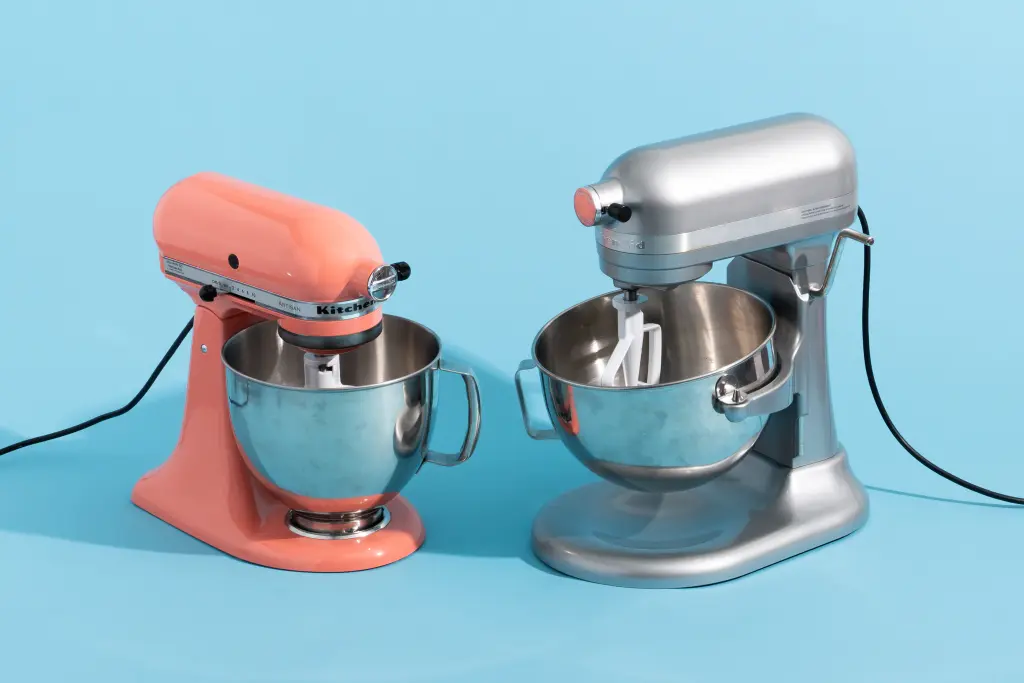
Why Your Stand Mixer is Perfect for Whipped Coffee
You might be wondering, “Is a stand mixer overkill for just whipping a bit of coffee?” The answer is a resounding no, and here’s why. This powerful kitchen appliance isn’t just for heavy bread dough or large batches of cookie batter. Its precision and design make it uniquely suited for creating the light, airy texture that defines whipped coffee.
- Unmatched Power and Speed: A stand mixer’s motor provides consistent, high-speed whipping that incorporates air far more effectively than manual whisking. This means you get a stiffer, more stable foam in a fraction of the time.
- The Magic of Planetary Mixing Action: This is a term you’ll hear a lot with quality stand mixers. It means the beater spins on its axis while also rotating around the bowl. Think of the Earth spinning as it orbits the Sun. This action ensures every last bit of the coffee mixture is reached, resulting in a perfectly uniform and smooth texture. No unmixed syrup at the bottom of the bowl!
- Hands-Free Convenience: This is the big one. Simply add your ingredients, turn the mixer on, and walk away. This frees you up to get your milk and ice ready, clean up a little, or just watch in amazement as the mixture transforms.
- Larger Batches Made Easy: Want to make whipped coffee for the whole family? A stand mixer’s large bowl capacity allows you to easily scale up the recipe without any extra effort. Try doing that with a hand whisk!
Getting Ready: Your Ingredients and Tools
Before we dive in, let’s gather our simple toolkit. The beauty of this recipe is its minimalism. You likely have everything you need already.
Ingredients
The classic whipped coffee recipe relies on a simple 1:1:1 ratio. For a single serving, you’ll need:
- 2 tablespoons of Instant Coffee Granules: This is non-negotiable. The way instant coffee is processed is what allows it to whip into a stable foam. Ground coffee beans will not work here.
- 2 tablespoons of Granulated Sugar: Sugar is crucial not just for sweetness, but also for structure. It helps create a thicker, glossier, and more stable foam that holds its shape.
- 2 tablespoons of Hot Water: The water needs to be hot (but not boiling) to dissolve the coffee and sugar granules properly.
Equipment
- Your Stand Mixer: The star of the show.
- The Whisk Attachment: Also known as a wire whip, this is the only attachment you should use for this task. Its thin wires are designed to slice through liquids and incorporate a massive amount of air, which is exactly what we need. Do not use the flat beater or the dough hook.
How to Make Whipped Coffee in a Stand Mixer: A Step-by-Step Guide
Ready to create that coffee masterpiece? Follow these simple steps for flawless results every time.
- Combine Your Ingredients: In the bowl of your stand mixer, add the instant coffee, sugar, and hot water. Don’t worry about mixing them by hand first; the mixer will handle everything.
- Secure the Bowl and Attachment: Lock your mixing bowl into the stand mixer’s base. Attach the whisk attachment to the mixer head, ensuring it clicks securely into place.
- Start Low and Go Slow: This is a critical pro tip to avoid a coffee-splattered kitchen. Start the mixer on its lowest speed setting. This allows the ingredients to combine without splashing. If you’re ever unsure about your machine’s settings, understanding what is the slowest speed for specific tasks can be incredibly helpful. Let it mix on low for about 30 seconds until the granules are mostly dissolved.
- Increase the Speed: Gradually increase the speed to medium-high. You’ll want to be around a speed 6 or 8 on most KitchenAid models. Now, the magic begins. You’ll witness a fascinating transformation in the bowl:
- First Minute: The dark, watery liquid will turn into a light brown, bubbly foam.
- Minutes 2-3: The color will continue to lighten to a caramel shade, and the volume will increase significantly. You’ll start to see “soft peaks” forming—meaning if you stop the mixer and lift the whisk, a peak will form but then gently flop over.
- Minutes 3-5: The mixture will become pale tan, thick, and glossy. Now you’re looking for “stiff peaks.” When you lift the whisk, the peak that forms should stand straight up without collapsing. This is the perfect consistency!
- Serve and Impress: Once you’ve reached stiff peaks, stop the mixer. Fill a glass with ice and your milk of choice (dairy or plant-based both work wonderfully). Spoon generous dollops of the whipped coffee foam right on top. Give it a gentle stir before you sip, or enjoy the layers as they are.
Expert Take from Pastry Chef Amelia Chen: “The key to a structurally sound foam, whether it’s meringue or whipped coffee, is controlled aeration. A Stand Mixer Provides that control. Starting slow prevents splashing and allows the sugar to dissolve, creating a stable base before you ramp up the speed to build volume. It’s technique over brute force.”
Pro Tips for the Perfect Whip
Making whipped coffee in a stand mixer is easy, but a few insider tips can elevate your results from good to absolutely perfect.
What if I want to make another sweet treat?
The whisk attachment is your go-to tool for anything that needs air incorporated. This technique is remarkably similar to creating a beautiful topping for cakes and cupcakes. To learn more about that process, you might find our guide on how to make frosting with a stand mixer very useful, as it applies many of the same principles of whipping.
Troubleshooting Common Problems
Even with a powerhouse like a stand mixer, you might run into a hiccup. Here’s how to solve the most common issues.
- “My coffee mixture isn’t getting thick!”
- The Cause: Most likely, you used ground coffee instead of instant, or your water wasn’t hot enough. It could also be that you didn’t use enough sugar, which is vital for stabilization.
- The Fix: Unfortunately, you’ll need to start over. Double-check that you are using instant coffee granules, granulated sugar, and hot water in the correct 1:1:1 ratio.
- “The mixture splashed all over my counter!”
- The Cause: You started at too high a speed.
- The Fix: Always, always begin on the lowest speed setting for the first 30 seconds. This gently combines the liquid ingredients before you increase the speed to build volume.
- “My whipped coffee deflated after a few minutes.”
- The Cause: You likely stopped whipping too soon, at the soft peak stage instead of the stiff peak stage.
- The Fix: Keep whipping! The mixture should be thick enough to hold its shape completely when you lift the whisk out of the bowl. The added structure from stiff peaks will keep it from deflating quickly in your drink.
Frequently Asked Questions
How long does it take to make whipped coffee in a stand mixer?
It typically takes between 3 to 5 minutes to reach stiff, glossy peaks when using a stand mixer on a medium-high speed. This is significantly faster and less labor-intensive than the 10-15 minutes of manual whisking.
What is the best stand mixer attachment for Dalgona coffee?
The whisk attachment (or wire whip) is the only attachment you should use. Its design is specifically for incorporating the maximum amount of air into liquids, which is essential for creating the light, fluffy foam of whipped coffee.
Can I make whipped coffee without sugar?
You can try, but the results will be different. The foam will be less stable, more bitter, and will deflate much faster. Sugar provides critical structure to the foam. If you’re cutting back, try using just half the amount of sugar first.
How should I store leftover whipped coffee?
If you make an extra-large batch, you can store the whipped coffee foam in an airtight container in the refrigerator for up to two days. It may lose a little volume, but you can quickly re-whip it for a few seconds before serving.
Your Kitchen, Your Coffee Cloud
There you have it—a foolproof method for harnessing the power of your favorite kitchen appliance. Once you know how to make whipped coffee in a stand mixer, you’ll never go back to whisking by hand. It’s a perfect example of how the right tool not only saves you time and effort but also delivers a superior result, turning a simple drink into a luxurious treat. So go ahead, whip up a batch, and enjoy your well-deserved, cafe-quality coffee cloud. What will you create with your stand mixer next?