Hey there, fellow baker and kitchen creative! It’s your go-to expert from Stand Mixer Pro. Let’s talk about the heart of your countertop powerhouse: the mixing bowl. You know the one. That gleaming stainless steel vessel that holds the promise of fluffy cakes, silky meringues, and perfectly kneaded bread. But after countless batches of cookies and sourdough starters, that once-brilliant shine can start to fade. That’s why knowing How To Polish A Stainless Steel Bowl isn’t just about aesthetics; it’s about maintaining the soul of your most trusted kitchen appliance. Are you ready to bring back that brand-new sparkle? Let’s roll up our sleeves and get that bowl looking pristine again.
I remember my first real stand mixer. It felt like a rite of passage. That heavy-duty machine was a statement that I was serious about baking. And the centerpiece? That beautiful, reflective bowl. Keeping it clean became a point of pride. A polished bowl isn’t just for show—it reflects the care and passion you pour into your craft.
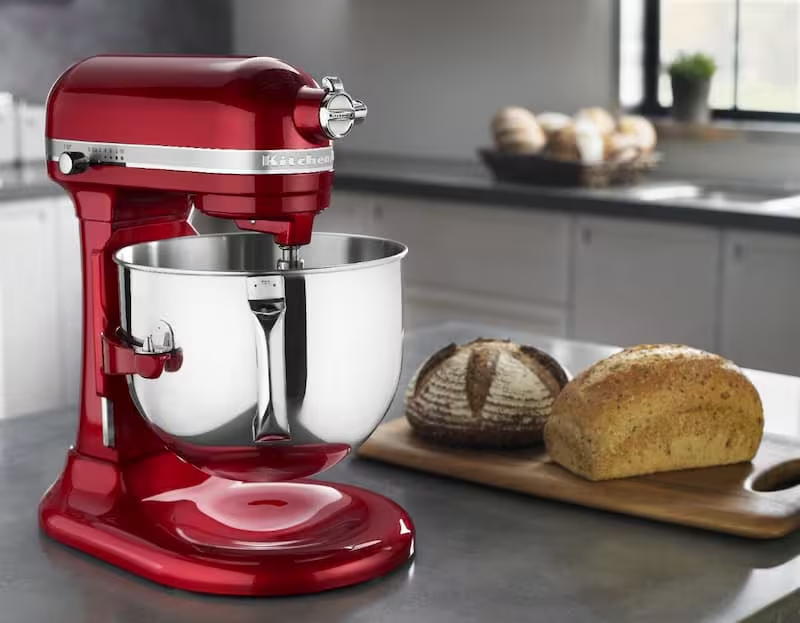
Why a Sparkling Bowl Matters More Than You Think
Before we dive into the “how,” let’s chat about the “why.” You might think a few water spots or a dull finish is no big deal, but a well-maintained bowl actually contributes to better baking.
- Food Safety and Purity: A smooth, polished surface is less likely to harbor microscopic food particles or bacteria. It ensures a clean slate for every recipe, meaning the delicate flavor of your vanilla bean buttercream won’t be tainted by last week’s garlic bread dough.
- Performance Enhancement: When you’re whipping egg whites for a meringue or a chiffon cake, the cleanliness of the bowl is non-negotiable. Any trace of fat or residue can prevent the egg whites from reaching their full, airy volume. A polished surface is a clean surface.
- The Joy Factor: Let’s be honest, working with beautiful, well-cared-for tools is just more inspiring. A gleaming bowl can make the entire process, from measuring flour to scraping down the last bit of batter, feel more professional and enjoyable. It’s a small detail that makes a huge difference.
The Ultimate Guide: How to Polish a Stainless Steel Bowl
Alright, time for the main event. Restoring that mirror finish is easier than you think, and you probably already have everything you need right in your pantry. No harsh chemicals required! This is the go-to method I’ve used for years on everything from my trusty KitchenAid to other workhorse models.
What You’ll Need (The Prep Work)
Gather your simple, yet effective, polishing arsenal:
- Baking Soda: This is our gentle abrasive. It will scrub away grime without scratching the steel.
- White Vinegar: The acid in vinegar helps to cut through mineral deposits (like those pesky water spots) and tarnish.
- Olive Oil or Mineral Oil: This is our finishing touch. A tiny amount will provide that final, brilliant shine and help repel future smudges.
- Soft Cloths: You’ll need at least two clean, soft microfiber cloths. Avoid paper towels, as they can leave behind lint.
Step-by-Step Polishing Process
Follow these steps, and your bowl will be gleaming in no time.
- Start with a Clean Slate: First things first, give your bowl a thorough wash with warm, soapy water to remove any grease or food residue. Dry it completely with one of your soft cloths. You can’t polish a dirty surface!
- Create the Polishing Paste: In a small dish, mix about 2-3 tablespoons of baking soda with just enough water to form a thick paste. You’re looking for the consistency of toothpaste.
- Apply and Scrub Gently: Scoop some of the paste onto your second soft cloth and apply it to the inside and outside of the stainless steel bowl. Rub in the direction of the grain of the metal. You might see faint lines in the steel—that’s the grain. Moving with it, not against it, helps prevent tiny scratches. Use gentle, circular motions for stubborn spots.
- The Vinegar Rinse: Once you’ve scrubbed the entire bowl, it’s time for the magic. Spritz or drizzle a little white vinegar over the baking soda paste. It will start to fizz and bubble—this is the chemical reaction that’s lifting away the tarnish and mineral buildup. Give it another gentle rub with your cloth.
- Rinse and Dry Thoroughly: Rinse the bowl completely with warm water, making sure to wash away all traces of the baking soda and vinegar. Dry it immediately and meticulously with a clean, dry cloth. Don’t let it air dry, as that can lead to water spots, undoing all your hard work!
- The Final Buff: This is the secret step for that showroom shine. Pour a very small amount of olive oil (a dime-sized drop is plenty) onto a clean section of your cloth. Buff the entire bowl, inside and out, again moving with the grain. The oil fills in microscopic imperfections and creates a stunning, streak-free luster. Wipe off any excess with a final clean, dry cloth.
According to kitchen equipment specialist John Ackerman, “The baking soda and vinegar method is a classic for a reason. It’s effective, non-toxic, and respects the integrity of the stainless steel, ensuring your equipment lasts a lifetime. Harsh chemicals can degrade the finish over time.”
What to Avoid: Common Mistakes That Can Damage Your Bowl
Learning how to polish a stainless steel bowl also means knowing what not to do.
- Never use steel wool or abrasive scouring pads. These will leave deep, irreversible scratches on the surface. Stick to soft cloths.
- Avoid harsh chemicals like bleach or oven cleaner. They can stain and corrode the stainless steel.
- Don’t ignore the grain. Always try to rub and polish in the direction of the metal’s grain for the smoothest finish.
Beyond the Shine: A Deep Dive into Your Stand Mixer
Now that your bowl looks fantastic, let’s talk about the machine it belongs to. A stand mixer is more than just a motor and a bowl; it’s the most versatile tool in your kitchen arsenal, capable of so much more than just mixing cake batter.
Why Every Serious Baker Needs a Stand Mixer
If you’re still on the fence, let me tell you, getting my first stand mixer was a total game-changer. The hands-free operation alone is worth the investment. While the powerful motor is kneading a tough bread dough with the dough hook, you’re free to measure other ingredients or prep your baking pans. The consistency you get from the planetary mixing action—where the beater spins on its axis while also orbiting around the bowl—is something you simply can’t replicate by hand. It ensures every speck of flour is incorporated perfectly.
Understanding Your Attachments: The Whisk, Hook, and Paddle
Your stand mixer’s power lies in its attachments. Each one is designed for a specific job, and using the right one is key to success.
- Flat Beater (or Paddle): This is your all-purpose tool. It’s for “creaming” butter and sugar, mixing cookie doughs, and making cake batters. It excels at thoroughly combining ingredients without whipping too much air into them.
- Wire Whisk (or Whip): Think air. The whisk attachment is designed to incorporate a massive amount of air into liquids. It’s your go-to for whipping cream, beating egg whites into stiff peaks for meringues, and creating light, airy frostings.
- Dough Hook: This hook mimics the motion of hand-kneading. It’s a lifesaver for bread, pizza dough, and cinnamon rolls. It develops the gluten in the flour, saving your arms from a serious workout.
Keeping Your Entire Machine in Tip-Top Shape
A little maintenance goes a long way in ensuring your stand mixer runs smoothly for decades. It’s a true kitchen workhorse that, if cared for, can be passed down through generations.
Routine Cleaning vs. Deep Polishing
Your routine cleaning after each use should be simple: wash the bowl and attachments in warm, soapy water. Wipe down the body of the mixer with a damp cloth to remove any splatters. The deep polish we just covered is something you might do every few months, or whenever you notice the bowl looking a bit dull. Think of it as a spa day for your mixer.
Troubleshooting Common Stand Mixer Issues
- Mixer head is wobbly: On most tilt-head models, there’s a small screw (often called the “dime screw”) on the neck. Unplug the mixer and gently tighten this screw to reduce the wobble.
- Beater is hitting the bottom of the bowl: This is also related to the head height. You can adjust it so the beater clears the bottom by about the thickness of a dime. Your user manual will have specific instructions.
- Motor sounds strained: You might be mixing a dough that’s too stiff or running the machine for too long. Give it a rest to cool down. If it persists, it might be time for a professional tune-up.
Frequently Asked Questions (FAQ)
Q1: How often should I polish my stainless steel bowl?
You don’t need to do a deep polish after every use. A good rule of thumb is to polish it every 2-3 months, or whenever you notice significant water spots, cloudiness, or a dull finish that doesn’t go away with regular washing.
Q2: Can I use Bar Keepers Friend to polish my mixer bowl?
Yes, Bar Keepers Friend is an excellent commercial cleaner for stainless steel and is safe for your mixer bowl. It’s a bit more powerful than the baking soda method. Just be sure to use the non-abrasive powder or soft liquid cleanser and rinse it extremely well afterward.
Q3: Will polishing remove deep scratches from my bowl?
The gentle polishing method described above is designed to remove surface-level tarnish and minor scuffs, restoring shine. It will not remove deep scratches or gouges. Think of it as improving the finish, not repairing damage.
Q4: What’s the real difference between cleaning and polishing a stainless steel bowl?
Cleaning removes food residue and grease. Polishing goes a step further by removing oxidation, mineral deposits, and fine abrasions from the surface itself to restore its original luster and reflectivity.
Q5: Is it safe to put a newly polished stainless steel bowl in the dishwasher?
Absolutely. Once you’ve rinsed and buffed the bowl, it’s perfectly safe for the dishwasher. However, to maintain that brilliant shine for longer, hand-washing and immediately drying is always the best practice.
Your Kitchen’s Shining Star
A stand mixer is an investment in your culinary passion, and its stainless steel bowl is the vessel where all the magic begins. Taking a few extra minutes to care for it not only keeps it looking beautiful but also ensures it performs at its best for years to come. Now that you know how to polish a stainless steel bowl like a pro, you can keep your kitchen’s MVP looking as good as the delicious creations it helps you make.
What are your go-to tips for keeping your kitchen appliances in perfect condition? Share your own experiences and questions in the comments below! We’d love to hear from the Stand Mixer Pro community.