Hey there, fellow baker! Welcome to Stand Mixer Pro, your go-to hub for getting the most out of your kitchen’s powerhouse. Let’s talk about one of baking’s most elegant, yet often intimidating, creations: meringue. If you’ve ever wrestled with a hand mixer, arm aching, praying for stiff peaks, you already know the struggle is real. Today, I’m going to show you How To Make Meringue Stand Mixer style—a method so simple and reliable, it feels like cheating. Your stand mixer isn’t just a gadget; it’s your secret weapon for achieving those glossy, stable, cloud-like peaks every single time. Ready to transform your meringue game from frustrating to flawless? Let’s dive in.
Making perfect meringue is all about incorporating air into egg whites and stabilizing that structure with sugar. While it sounds simple, the process requires consistency and power—two things a stand mixer delivers in spades. For those who want to get granular, understanding details like what is the slowest speed for certain initial steps can be a game-changer for many recipes.
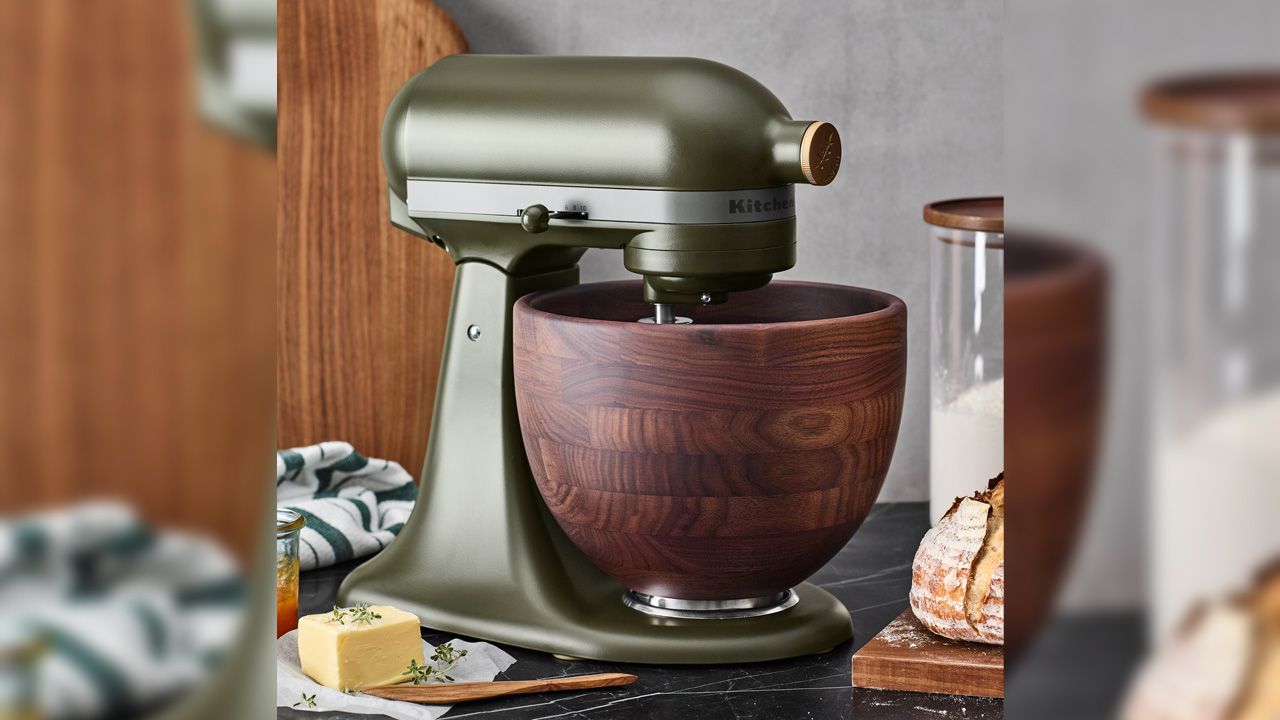
Why Your Stand Mixer is a Meringue MVP
Before we get to the recipe, let’s chat about why this particular kitchen appliance is the undisputed champion for this task. I remember my first stand mixer completely changing my relationship with meringue. It went from a high-stakes gamble to a dependable delight.
- Consistent Power: Unlike your arm, a stand mixer’s motor doesn’t get tired. It delivers constant, unwavering power, whipping air into the egg whites at a steady pace. This consistency is crucial for building a strong, stable protein structure in the egg foam.
- Superior Aeration: The combination of a wire whisk attachment and the mixer’s planetary mixing action (where the beater spins on its axis while also orbiting the bowl) is an aeration powerhouse. It reaches nearly every part of the bowl, ensuring no pools of unincorporated egg white are left behind.
- Hands-Free Heaven: This is the big one. While the mixer does the heavy lifting, your hands are free to slowly and gradually add the sugar. This single step is the most critical part of making stable meringue, and it’s nearly impossible to do correctly while also wrangling a hand mixer.
- Temperature Control: A stand mixer’s metal bowl (usually stainless steel) is excellent for temperature control. It’s easy to chill if needed and, more importantly, easy to ensure it’s impeccably clean.
The Essentials: Tools and Ingredients
Success in baking often comes down to preparation. For meringue, this is doubly true. Here’s what you’ll need:
- A Stand Mixer: Your trusty kitchen sidekick.
- The Wire Whisk Attachment: This is the only attachment you should use for meringue. Its many fine wires are designed to whip maximum air into liquids.
- A Spotlessly Clean Bowl: This is non-negotiable. Any trace of fat or grease (from your fingers, a previous recipe, or soap residue) will prevent your egg whites from whipping up properly.
Pro Tip from the Stand Mixer Pro Kitchen: Before you start, wipe down the inside of your mixer bowl and the whisk attachment with a paper towel dampened with a little white vinegar or lemon juice. This cuts through any residual grease and guarantees a clean start.
- Egg Whites: Use fresh eggs, and make sure they are at room temperature. Room temperature egg whites are more relaxed and will whip up to a greater volume. Carefully separate them, ensuring not even a speck of yolk gets in. Yolk is fat, and fat is the enemy of meringue.
- Sugar: Superfine (caster) sugar is ideal because it dissolves more easily, preventing a gritty texture. If you only have granulated, you can pulse it in a food processor for a few seconds.
- A Stabilizer (Optional but Recommended): A pinch of cream of tartar or a few drops of lemon juice helps strengthen the egg white proteins, making your meringue more stable and less likely to weep.
|
Our Picks for the Best Stand Mixer in 2026
As an Amazon Associate, we earn from qualifying purchases.
|
||
| Num | Product | Action |
|---|---|---|
| 1 | KitchenAid 7 Quart Bowl-Lift Stand Mixer |

|
| 2 | Kitchen in the box Stand Mixer, 900W 8.5QT Kitchen Electric Mixer, 6-Speed Large Capacity Food Mixer for Home Cooks with Egg Whisk, Dough Hook & Flat Beater (Black) |
|
| 3 | Kitchen in the box Stand Mixer,3.2Qt Small Electric Food Mixer,6 Speeds Portable Lightweight Kitchen Mixer for Daily Use with Egg Whisk,Dough Hook,Flat Beater (Blue) |
|
| 4 | KitchenAid Artisan Series 5 Quart Tilt Head Stand Mixer with Pouring Shield KSM150PS, Blue Velvet |
|
| 5 | KitchenAid Classic Series 4.5 Quart Tilt-Head Stand Mixer K45SS, White |
|
| 6 | COOKLEE 6-IN-1 Stand Mixer, 8.5 Qt. Multifunctional Electric Kitchen Mixer with Beater, Whisk, Dough Hook, Meat Grinder and Other Accessories for Most Home Cooks, SM-1507BM, Silvery |
|
| 7 | Instant Pot Stand Mixer Pro,600W 10-Speed Electric Mixer with Digital Interface,7.4-Qt Stainless Steel Bowl,From the Makers of Instant Pot,Dishwasher Safe Whisk,Dough Hook and Mixing Paddle,Silver |
|
| 8 | DASH Tilt-Head 3.5qt Stand Mixer 12 Speeds with Paddle, Dough Hook, and Whisk Attaachments - Cream |
|
| 9 | Stand Mixer | Powerful 660W Motor | Large 6.5 Qt. Bowl | 6-Speed Control | Dishwasher-Safe Attachments | Tilt-Head Design | Perfect for Home Bakers (Red) |
|
| 10 | 6-in-1 Multifunctional Stand Mixer, 5.3Qt 660W, 6-Speed Tilt-head, Electric Kitchen Mixer with Stainless Steel Bowl,Meat Grinder, Juice Blender (Black) |
|
How to Make Meringue Stand Mixer Style: The Step-by-Step Guide
We’ll be making a classic French meringue, which is the simplest and most common type. It’s perfect for pavlovas, meringue cookies, and topping pies.
- Prep Your Station: Ensure your stand mixer bowl is securely locked in place. If you’re new to your machine, taking a moment to review how to attach a mixer bowl can prevent any wobbling mishaps. Attach the wire whisk.
- Start the Whites: Place your room-temperature egg whites and cream of tartar (if using) into the bowl. Turn the mixer on to a medium-low speed (around a 2 or 3 on a KitchenAid). Let it whisk until the whites become foamy and opaque, like the head on a beer. This takes about 1-2 minutes.
- Ramp Up the Speed: Increase the speed to medium (a 4 or 6). Continue whipping until the whites form soft peaks. This is when you lift the whisk, and the peak that forms gently slumps over on itself. The mixture will be white and have significantly increased in volume.
- The All-Important Sugar Step: Now, turn the speed up to medium-high (around an 8). This is the crucial moment. Begin adding your sugar very slowly, one spoonful at a time, waiting about 15-20 seconds between each addition. This slow process allows the sugar to dissolve completely and integrate into the foam, creating that strong, glossy structure. Rushing this step is the number one cause of grainy or weeping meringue.
- Whip to Perfection: Once all the sugar is added, let the mixer run on high speed for another 5-7 minutes. You’re looking for stiff, glossy peaks. This means when you stop the mixer and lift the whisk, the peak stands straight up without collapsing. The meringue should look smooth, shiny, and thick, like marshmallow fluff. To test if the sugar is dissolved, rub a small amount between your thumb and forefinger. It should feel completely smooth, not gritty.
- Add Flavor (Optional): If you’re adding vanilla extract or another flavoring, gently fold it in by hand with a spatula at the very end. Over-mixing at this stage can deflate your beautiful meringue.
Your meringue is now ready to be baked, piped, or dolloped onto your favorite dessert!
Troubleshooting Common Meringue Mishaps
Even with a stand mixer, things can occasionally go sideways. Here’s how to fix common problems.
Help! My Meringue is Weeping!
Weeping (little beads of sugary syrup on the surface) is usually caused by undissolved sugar.
- The Cause: You likely added the sugar too quickly.
- The Fix: Unfortunately, you can’t fix it once it’s baked. Next time, add the sugar much more slowly and test for grittiness before you stop whipping.
My Meringue is Grainy and Dull.
This is another symptom of undissolved sugar.
- The Cause: Again, the sugar was added too fast, or you didn’t whip long enough after adding it.
- The Fix: Ensure you’re using superfine sugar and give it plenty of time on high speed at the end. The glossy shine is your visual cue that the sugar has dissolved properly.
My Meringue Won’t Reach Stiff Peaks.
This is the most frustrating issue, and it almost always comes down to one culprit: fat.
- The Cause: A speck of yolk in your whites, a greasy bowl, or even high humidity in your kitchen. Sometimes, if the whisk isn’t reaching the bottom of the bowl, a small amount of liquid egg white can remain un-whipped.
- The Fix: Start over with impeccably clean equipment. For whisk clearance issues, performing a quick check can make a world of difference. To understand this better, you can research what is the dime test for a kitchenaid mixer, which helps ensure your attachment is at the perfect height.
According to pastry chef and author Amelia Evans, “A stand mixer doesn’t just make meringue easier; it makes it more consistent. The machine’s relentless, even whipping creates a finer, more stable bubble structure than you can ever achieve by hand, which is the foundation of a truly great meringue.”
The same principles of aeration apply to other recipes as well. The techniques you learn here are directly applicable to learning how to make frosting with stand mixer, which also relies on whipping ingredients to the perfect consistency.
Frequently Asked Questions (FAQ)
1. Why did my meringue not get stiff?
The most common reason is contamination by fat. This could be a tiny speck of egg yolk, grease residue in the bowl or on the whisk, or even oils from your fingers. Always use a spotlessly clean, dry bowl.
2. Can I over-whip meringue in a stand mixer?
Yes, you can. If you whip it for too long after it has reached the stiff peak stage, the protein structure can break down. The meringue will start to look chunky, dry, and curdled instead of smooth and glossy.
3. How do I know when my meringue is done?
Look for three key signs: it has tripled or quadrupled in volume, it’s bright white and very glossy, and when you lift the whisk, the peak that forms holds its shape completely without drooping (stiff peaks).
4. What speed should I use for making meringue?
Start on a low-medium speed to create foam, increase to medium for soft peaks, and then switch to medium-high or high speed when adding the sugar and for the final whipping stage.
5. Do I really need cream of tartar for meringue?
While not strictly essential, a stabilizer like cream of tartar or lemon juice makes your meringue much more forgiving. It helps the egg whites whip up faster and creates a more stable foam that’s less likely to collapse.
Your Meringue Masterpiece Awaits
And there you have it. The secret is out: your stand mixer is the key to unlocking perfect, billowy meringue every single time. It’s an investment that pays dividends in pavlovas, pies, and pure baking joy. While it may seem like a specialized tool, you may wonder, can you use a stand mixer for everything? The answer is nearly yes, and mastering meringue is a fantastic step on that journey.
By following these steps, you’ve taken the guesswork out of the equation. Now you can focus on the fun part—creating delicious, beautiful desserts. So go ahead, dust off that whisk attachment, and get ready to conquer the clouds. Once you master how to make meringue stand mixer style, you’ll never look back.
Happy baking! Let us know about your meringue triumphs in the comments below.