Welcome to the heart of the kitchen! If you’re dreaming of effortless bread dough, mountains of fluffy meringue, and perfectly creamed butter and sugar, a stand mixer is the powerhouse you’ve been looking for. But as you browse the options, one number keeps popping up: wattage. It leads to the big question we hear all the time: How Many Watts For A Good Stand Mixer is actually necessary? It’s a fantastic question, and frankly, the answer is a little more interesting than just “more is better.”
You’ve come to the right place. As the experts at Stand Mixer Pro, we’ve spent countless hours with these machines, from light-duty heroes to commercial-grade beasts. We’re here to demystify wattage and guide you to the perfect kitchen partner. Before you get lost in the numbers game, let’s break down what really matters. For those who want a complete overview of the selection process, understanding how to choose a stand mixer is a great starting point for your journey.
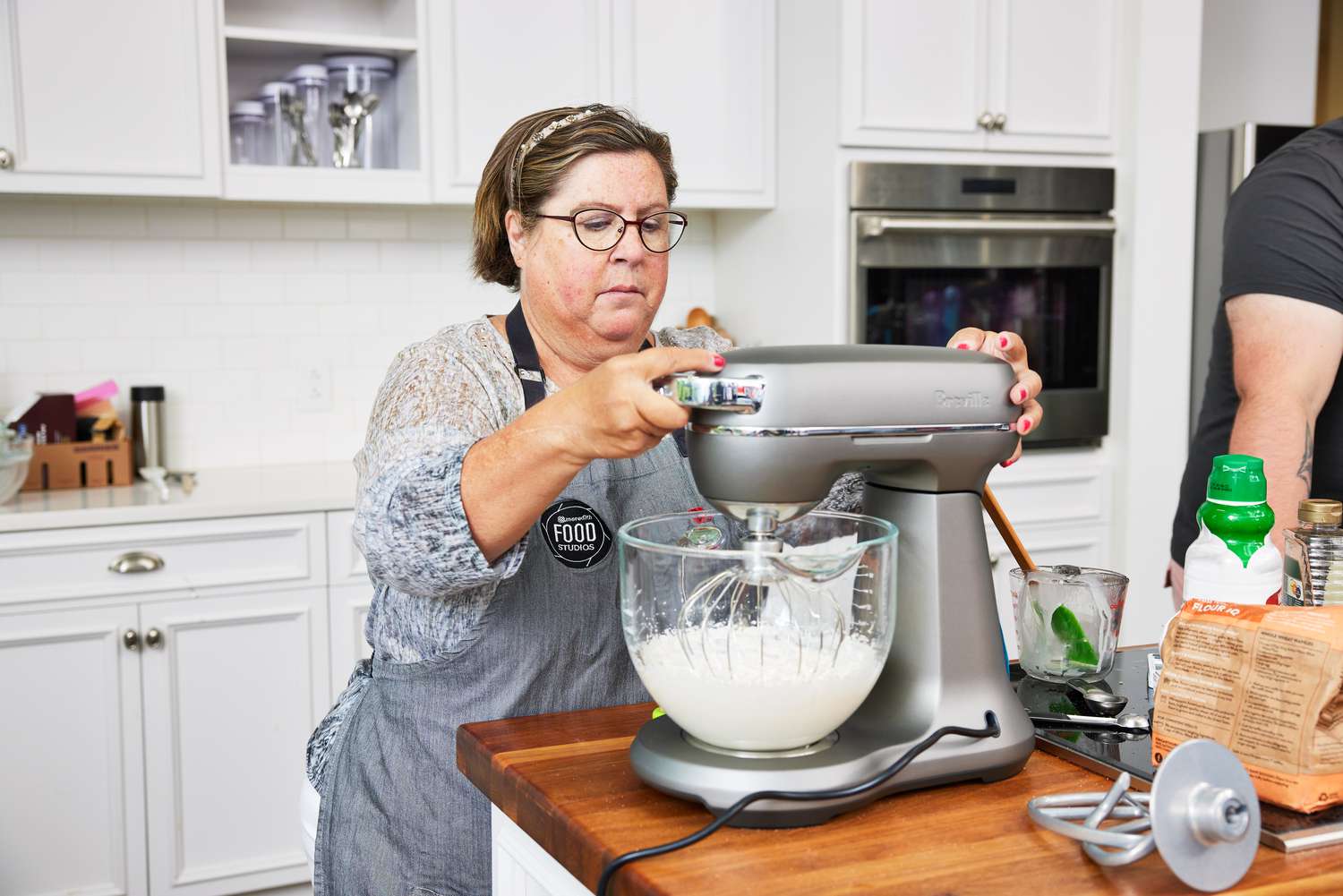
The Wattage Myth: Why More Watts Isn’t Always Better
Let’s get one thing straight right out of the gate: a higher wattage rating does not automatically equal a better, more powerful stand mixer. It’s the most common misconception we see, and it can lead to buying the wrong machine for your needs.
Think of it like this: wattage measures how much power the motor draws from your wall outlet, not how much power it actually delivers to the mixing bowl. It’s an energy consumption rating, not a direct measure of performance or torque. Torque is the rotational force that actually kneads your tough bread dough or powers through a dense fruitcake batter. A more efficient motor can produce high torque with lower wattage.
As veteran pastry chef Elena Martinez often says, “Don’t be seduced by a big wattage number. I’ve seen 325-watt mixers that could knead brioche all day long and 1000-watt machines that would shudder at the thought. It’s the engineering inside that counts.”
This is where the motor type comes into play—the real hero behind the scenes.
Motor Type: The AC vs. DC Showdown
The type of motor inside your stand mixer is a far better indicator of its performance than its wattage rating alone.
- AC (Alternating Current) Motors: These are the traditional workhorses found in many stand mixers. They can be very powerful but are generally less efficient. To get high torque, they often need to draw more power, resulting in higher wattage ratings (e.g., 500W, 650W, 1000W). They can also be a bit louder.
- DC (Direct Current) Motors: These motors are the pinnacle of modern kitchen appliance engineering. They are significantly more energy-efficient, quieter, and can deliver incredible, consistent torque with a much lower wattage. This is why a premium brand like KitchenAid might have a 325-watt DC motor model that outperforms a budget 600-watt AC motor model, especially when tackling heavy dough.
So, when you see a lower wattage on a premium machine, don’t dismiss it. It’s likely a sign of a more efficient, high-torque DC motor.
So, How Many Watts for a Good Stand Mixer, Really?
Now that we understand the nuance, we can provide some practical guidelines. Use these wattage ranges as a starting point, but always consider the motor type and your personal baking habits.
| Usage Level & Tasks | Recommended Wattage (AC Motor) | Recommended Wattage (DC Motor) |
|---|---|---|
| Light & Occasional Use (Cookies, cakes, whipping) | 250 – 350 Watts | 250 Watts or higher |
| Regular Home Baking (Frequent cakes, some bread) | 350 – 550 Watts | 300 Watts or higher |
| Heavy-Duty & Frequent Use (Dense doughs, large batches) | 550 Watts or higher | 325 Watts or higher |
Let’s break that down even further.
For the Casual Baker (250-350 Watts)
If your baking adventures mainly involve whipping up a batch of chocolate chip cookies on the weekend, making birthday cakes, or whipping cream for dessert, a mixer in this range will serve you beautifully. These are fantastic entry-level machines. If you’re looking for an accessible option, you might consider where to buy stand mixer walmart to find models that fit this category perfectly.
For the Enthusiastic Home Baker (350-550 Watts)
This is the sweet spot for most people. A mixer in this range can handle everything the casual baker does but has enough backbone to tackle the occasional loaf of sourdough or a double batch of cookie dough without breaking a sweat. It offers versatility and durability for those who bake a few times a week.
For the Bread Artisan and Power User (550W+ or a good DC Motor)
Are you passionate about artisan bread? Do you bake multiple loaves a week or make large batches for holidays and events? Then you need a machine built for heavy lifting. Look for mixers with higher wattage AC motors (550W and up) or, even better, a model with a high-quality DC motor. These machines are engineered to deliver sustained power to the dough hook for long kneading times without overheating.
Beyond Wattage: Features That Truly Define a Good Stand Mixer
Now that we’ve put wattage in its proper place, let’s talk about the other crucial features. These elements, combined with an appropriate motor, make a stand mixer a true kitchen champion. A comprehensive stand mixer buying guide will delve into these points in even greater detail.
Build Quality and Materials
A great stand mixer should be an investment that lasts for decades.
- All-Metal Construction: Look for a heavy, die-cast metal body. This provides stability on the countertop—you don’t want your mixer “walking” around when kneading heavy dough.
- Metal Gears: The internal gears are critical. Metal gears are far more durable than nylon or plastic gears, which can strip and break under heavy load.
Bowl Size and Mixer Style
The capacity of your mixer’s bowl determines how much you can make at once.
- 4.5 – 5 Quart: Perfect for most families. Can typically handle recipes calling for up to 9 cups of flour.
- 6 – 8 Quart: Ideal for large families, serious bread bakers, or those who entertain often.
- Tilt-Head vs. Bowl-Lift: Tilt-head designs are convenient for adding ingredients and scraping the bowl. Bowl-lift designs are generally more stable and are standard on larger, more powerful models.
Planetary Mixing Action
This is a non-negotiable feature. Planetary action means the beater spins on its axis while also orbiting around the bowl in the opposite direction. This ensures all ingredients—from the center to the edges of the bowl—are thoroughly incorporated. Without it, you’ll be constantly stopping to scrape the sides.
Attachments and Versatility
The true magic of a stand mixer lies in its versatility, which is unlocked by its attachments.
- The Big Three: Every good mixer comes with a flat beater (for batters and creaming), a wire whisk (for aerating and whipping), and a dough hook (for kneading).
- Power Hub: Many premium mixers feature a power hub at the front, allowing you to connect dozens of other tools. If you’re hoping to expand your kitchen capabilities, it’s wise to buy stand mixer with attachments like pasta makers, meat grinders, and food processors.
Frequently Asked Questions (FAQ)
Is a 300-watt stand mixer powerful enough?
Yes, a 300-watt stand mixer can be perfectly powerful enough for most home baking tasks, especially if it has an efficient DC motor. It will excel at cakes, cookies, and whipping. It can handle occasional, smaller batches of bread dough, but may struggle with very frequent or heavy kneading.
Do more watts mean a stand mixer is louder?
Not necessarily, but it can be a factor. Generally, AC motors (which often have higher wattages) tend to be louder than the more efficient, quieter DC motors. Build quality and internal components also play a huge role in the noise level.
Why are some lower-wattage mixers more expensive?
This almost always comes down to motor type and build quality. A 325-watt mixer from a premium brand with a highly efficient DC motor, all-metal gears, and a die-cast body will be more expensive—and perform better—than a 600-watt mixer with a basic AC motor and plastic components.
How many watts for a good stand mixer to make bread dough?
For frequent bread making, we recommend a mixer with a robust DC motor (typically 325 watts or more in premium models) or a high-wattage AC motor of at least 550 watts. The key is sustained torque, not just the wattage number.
Can I burn out my stand mixer’s motor?
Yes, you can. Overloading your mixer with a dough that is too large or too stiff for its motor capacity, or running it for too long without a break, can cause it to overheat and potentially damage the motor. Always follow the manufacturer’s capacity guidelines.
The Final Word on Wattage
So, when you’re deciding how many watts for a good stand mixer, remember that the number is just one part of a bigger, more important picture. Don’t let a high wattage rating on a budget machine fool you, and don’t underestimate the power of a premium mixer with a lower rating.
Instead, focus on the overall quality of the machine: an efficient motor (preferably DC), durable all-metal construction, and the features that match your unique baking style. Investing in the right kitchen appliance isn’t just about buying a tool; it’s about investing in countless future creations, from celebratory cakes to comforting loaves of fresh bread. Choose wisely, and your stand mixer will be your most trusted kitchen companion for years to come.