Let’s talk about that moment. The one where you realize your arm is about to fall off from whisking egg whites, and you’ve got flour dusting every surface of your kitchen. I’ve been there. My first stand mixer wasn’t just an appliance; it was a revelation. If you’re ready to elevate your kitchen game, these essential Baking Tips Using Stand Mixer will turn your trusty machine into the countertop sous-chef you’ve always dreamed of. Are you getting the most out of this powerful kitchen appliance? Let’s find out.
A stand mixer is more than just a powerful motor; it’s about precision, consistency, and freeing up your hands to do other things. Think of it as the difference between painting a room with a toothbrush versus a roller. Both might get the job done, but one is clearly smarter, faster, and yields a far better result. For those looking to dive deeper into clever ways to use their machine, exploring some advanced stand mixer hacks for bakers can be a real game-changer.
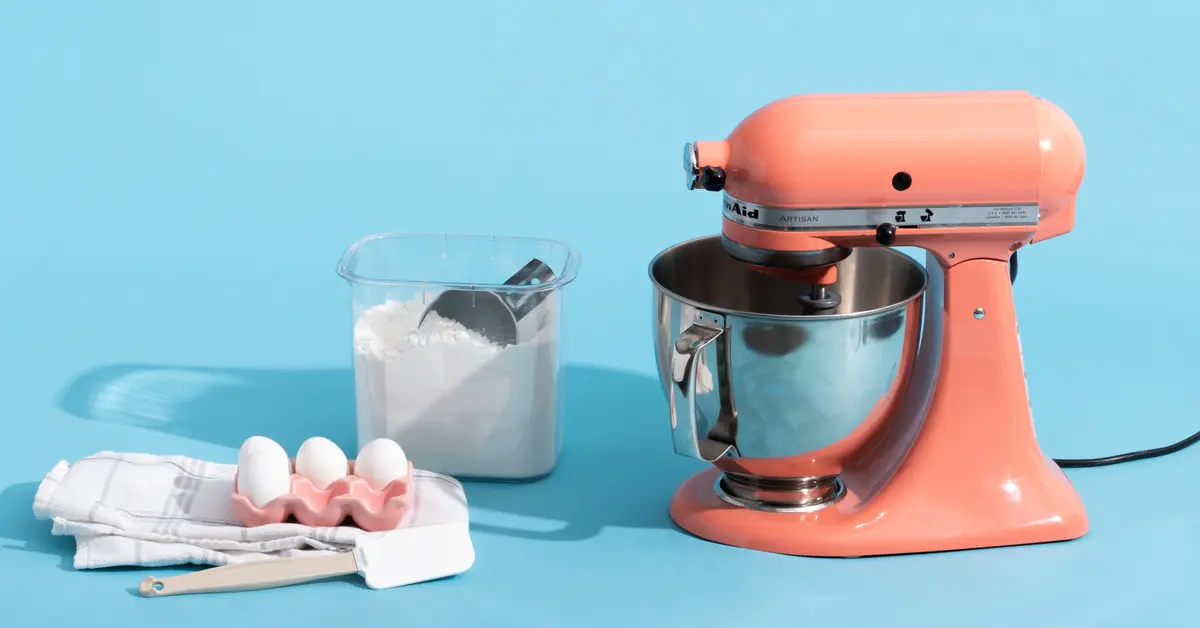
Why a Stand Mixer is Your Best Friend in the Kitchen
Before we dive into the “how,” let’s quickly cover the “why.” If you’re on the fence, or if you’re not using yours to its full potential, this is for you. A stand mixer offers three core benefits that hand mixing or a hand mixer simply can’t match:
- Power and Efficiency: Kneading bread dough for 10 straight minutes? Whipping cream to stiff peaks? A stand mixer’s powerful motor handles these tasks without breaking a sweat, achieving textures that are difficult, if not impossible, to replicate by hand.
- Consistency: The “planetary mixing action”—where the beater spins on its axis while also rotating around the bowl—is the secret sauce. It ensures every last bit of flour from the bottom and sides of the bowl is perfectly incorporated. No more surprise flour pockets in your cake batter!
- Hands-Free Operation: This is the big one. While your mixer is busy creaming butter and sugar, you can be measuring out your next ingredients, greasing a pan, or just sipping a well-deserved cup of coffee. It’s a masterclass in multitasking.
Tilt-Head vs. Bowl-Lift: Which Style Suits You?
Stand mixers generally come in two flavors: tilt-head and bowl-lift. There’s no single “best” option; it’s about what works for your space and your baking style.
Tilt-Head Models
These are often the go-to for most home bakers. The head of the mixer hinges back, allowing for easy access to the bowl and beater.
- Pros: Easy to add ingredients, simple to attach and remove the bowl and accessories. Generally more compact.
- Cons: Can sometimes struggle or “wobble” with very heavy, dense doughs. The tilt mechanism can be a slight clearance issue under low cabinets.
Bowl-Lift Models
These are the heavy-duty workhorses, often found in more professional settings. A lever raises the bowl up to meet the mixing attachment.
- Pros: Incredibly stable, designed for large batches and dense doughs like sourdough or bagels. Often feature more powerful motors.
- Cons: Less clearance for adding ingredients during mixing. They are taller and heavier, requiring more dedicated counter space.
|
Our Picks for the Best Stand Mixer in 2026
As an Amazon Associate, we earn from qualifying purchases.
|
||
| Num | Product | Action |
|---|---|---|
| 1 | 6-in-1 Multifunctional Stand Mixer, 5.3Qt 660W, 6-Speed Tilt-head, Electric Kitchen Mixer with Stainless Steel Bowl,Meat Grinder, Juice Blender (Black) |

|
| 2 | KitchenAid 7 Quart Bowl-Lift Stand Mixer |
|
| 3 | Kitchen in the box Stand Mixer, 900W 8.5QT Kitchen Electric Mixer, 6-Speed Large Capacity Food Mixer for Home Cooks with Egg Whisk, Dough Hook & Flat Beater (Black) |
|
| 4 | KitchenAid Classic Series 4.5 Quart Tilt-Head Stand Mixer K45SS, White |
|
| 5 | Instant Pot Stand Mixer Pro,600W 10-Speed Electric Mixer with Digital Interface,7.4-Qt Stainless Steel Bowl,From the Makers of Instant Pot,Dishwasher Safe Whisk,Dough Hook and Mixing Paddle,Silver |
|
| 6 | COOKLEE 6-IN-1 Stand Mixer, 8.5 Qt. Multifunctional Electric Kitchen Mixer with Beater, Whisk, Dough Hook, Meat Grinder and Other Accessories for Most Home Cooks, SM-1507BM, Silvery |
|
| 7 | KitchenAid Artisan Series 5 Quart Tilt Head Stand Mixer with Pouring Shield KSM150PS, Blue Velvet |
|
| 8 | Stand Mixer | Powerful 660W Motor | Large 6.5 Qt. Bowl | 6-Speed Control | Dishwasher-Safe Attachments | Tilt-Head Design | Perfect for Home Bakers (Red) |
|
| 9 | DASH Tilt-Head 3.5qt Stand Mixer 12 Speeds with Paddle, Dough Hook, and Whisk Attaachments - Cream |
|
| 10 | Kitchen in the box Stand Mixer,3.2Qt Small Electric Food Mixer,6 Speeds Portable Lightweight Kitchen Mixer for Daily Use with Egg Whisk,Dough Hook,Flat Beater (Blue) |
|
Your Stand Mixer A-Z Guide: From Box to Batter
So, you’ve got a brand new stand mixer. It’s shiny, it’s promising, and it’s a little intimidating. Don’t worry. Getting started is a piece of cake.
- Wash Everything First: Before its maiden voyage, give the bowl and all attachments a good wash in warm, soapy water. This removes any manufacturing residues.
- Find its Home: Give your mixer a permanent spot on the counter if you can. They’re heavy, and you’ll use it more often if it’s easily accessible.
- Learn the Lock: Whether it’s a tilt-head or bowl-lift, find the locking mechanism. Always ensure the head is locked down (or the bowl is locked up) before turning it on. This prevents the machine from jumping around.
- Attach the Bowl: Most bowls twist and lock into the base. You’ll feel a satisfying click when it’s secure. Getting this right is fundamental, and if you’re ever unsure, understanding the specifics of how to attach a mixer bowl will prevent any mishaps.
- Choose Your Weapon (Attachment): Select the right tool for the job. More on this next!
Mastering Your Attachments: The Holy Trinity
Your mixer likely came with three standard attachments. Using the right one is arguably the most crucial of all baking tips using stand mixer.
The Flat Beater (or Paddle)
This is your everyday champion. It’s designed for mixing, creaming, and beating normal to heavy batters.
- Use it for: Cake batter, cookie dough, creaming butter and sugar, mashed potatoes, and shredding cooked chicken (yes, really!).
- Pro Tip: When creaming butter and sugar, start on a low speed to combine, then ramp up to medium-high. Let it go for a full 3-5 minutes. You’re looking for a light, fluffy texture that’s almost white. This whips air into the fat, which is the foundation for a tender crumb.
The Dough Hook
This hook mimics the push-and-fold motion of hand-kneading, developing gluten in yeast doughs efficiently.
- Use it for: Bread dough, pizza dough, brioche, and even pasta dough. For a fantastic weekend project, learning how to make pasta dough stand mixer style will make you feel like a true Italian chef.
- Pro Tip: Kneading dough is a low-and-slow process. Never go above speed 2 or 3 on most mixers. Going too fast can overheat the motor and “tear” the gluten strands instead of developing them.
As renowned pastry chef Isabelle Dubois puts it, “The dough hook is a marvel of engineering, but it is not a race car. Respect its pace, and it will reward you with a perfect, elastic dough that is the soul of good bread.”
The Wire Whisk (or Whip)
This is all about aeration. Its balloon-like shape is perfect for incorporating a massive amount of air into liquids.
- Use it for: Whipping egg whites for meringues or macarons, whipping heavy cream into fluffy peaks, and making light frostings like ermine or Swiss meringue buttercream.
- Pro Tip: Ensure your bowl is completely clean and free of any fat or grease, as even a tiny speck can prevent egg whites from whipping properly. Also, a wire whisk is not for heavy mixtures like cookie dough—you’ll bend the wires or even break the attachment.
And don’t forget the power hub! That little port at the front of your mixer head can transform your machine. For those interested in ultimate versatility, exploring how to use a food processor attachment can open up a whole new world of chopping, slicing, and shredding.
Know Your Speeds: A Simple Guide
Over-mixing and under-mixing are common pitfalls. Understanding your mixer’s speed settings is key.
- Stir / Speed 1: Use this for adding dry ingredients, like flour, to wet ingredients. It prevents a “flour cloud” from erupting all over your counter. Knowing what is the slowest speed for is the first step to a cleaner kitchen and better-incorporated ingredients.
- Slow Mixing / Speeds 2-3: Perfect for kneading dough, developing gluten, and combining heavier batters.
- Medium / Speeds 4-6: This is the sweet spot for creaming butter and sugar and mixing most standard cake and cookie batters.
- High / Speeds 8-10: Reserve these for whipping. This is how you get maximum volume in egg whites and cream.
Maintenance and Cleaning Tips
A little love goes a long way in keeping your stand mixer running for decades.
- Clean After Each Use: Unplug the machine. Wipe down the body with a damp cloth. Never submerge the main unit in water.
- Check Dishwasher Safety: Most stainless steel bowls and solid nylon-coated attachments are dishwasher-safe (top rack). However, never put burnished aluminum attachments (often the standard ones) or the wire whisk in the dishwasher; they will oxidize and turn black. Hand wash these items.
- The Dime Test: Is your beater not reaching the bottom of the bowl? You can adjust the beater-to-bowl clearance. Unplug the mixer and place a dime in the bowl. Attach the flat beater and turn it on medium. The beater should move the dime around the bowl without hitting it hard. If it doesn’t touch it, the beater is too high; if it pushes it forcefully, it’s too low. Look for a small adjustment screw on the mixer’s hinge to fine-tune it.
Frequently Asked Questions (FAQ)
What is the best speed for creaming butter and sugar?
Start on a low speed to combine, then increase to medium (around 4-6 on a KitchenAid). Let it run for 3-5 minutes until the mixture is very light in color and fluffy. This is a crucial step for tender baked goods.
Can a stand mixer over-mix a batter?
Absolutely. Over-mixing cake batter can develop too much gluten, resulting in a tough, chewy texture. Once you’ve added the flour, mix only until it’s just combined. This is one of the most important baking tips using stand mixer for beginners.
Why is my stand mixer shaking or “walking” on the counter?
This is common when kneading very stiff doughs. It’s usually not a cause for alarm. Ensure the mixer is on a level, sturdy surface and don’t leave it unattended. If it shakes violently with light batters, check that the head is locked properly.
How do I stop ingredients from flying out of the bowl?
Always start on the lowest speed (“Stir”) when adding new ingredients, especially flour. A pouring shield, which comes with many models, is also incredibly helpful for adding ingredients cleanly while the mixer is running.
Can I knead all types of dough with my stand mixer?
Most stand mixers excel at kneading bread, pizza, and enriched doughs. For very high-hydration doughs (like some ciabattas) or extremely stiff doughs, you may need to monitor the machine to ensure it doesn’t overheat. Always follow the manufacturer’s capacity guidelines.
Your Partner in Culinary Creation
Owning a stand mixer is an investment—an investment in your time, your creativity, and the quality of your bakes. By understanding its components, mastering its attachments, and applying these simple baking tips using stand mixer, you’re not just using a machine; you’re collaborating with a powerful partner. It handles the heavy lifting, so you can focus on the art. Now, go forth and bake something amazing! What are you planning to make first?