There’s a unique kind of kitchen panic that sets in when a simple task goes wrong. You’ve just whipped up a perfect meringue or kneaded a beautiful dough, and now you’re ready to clean up. But the beater won’t budge. It’s a frustrating moment that can make you feel, well, stuck. If you’re wrestling with this issue and wondering How To Remove A Stuck Beater, you’ve come to the right place. As the voice of Stand Mixer Pro, I’ve seen this happen more times than I can count, and I’m here to walk you through it, turning a moment of frustration into a simple fix.
This isn’t just about brute force; it’s about understanding why this happens and using the right techniques to free your attachment without damaging your beloved kitchen appliance. Let’s get that beater unstuck and get you back to what you love—creating delicious masterpieces.
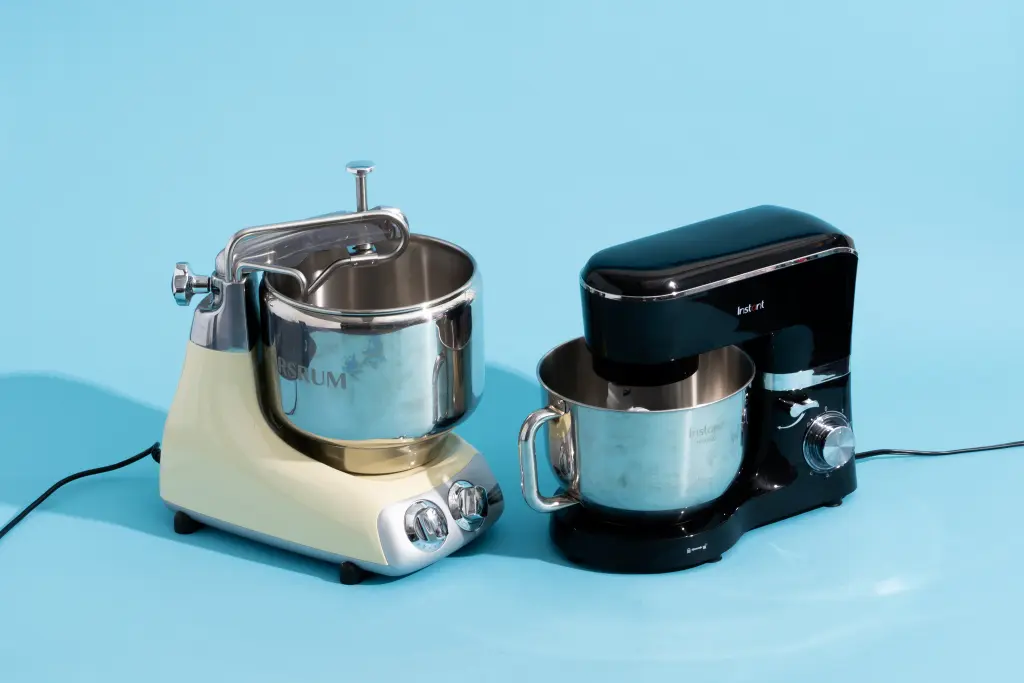
Why Do Stand Mixer Beaters Get Stuck in the First Place?
Before we dive into the “how,” let’s quickly cover the “why.” Understanding the cause is the first step in preventing it from happening again. Think of it like a detective story in your kitchen.
- “Kitchen Cement”: The most common culprit is dried-on food residue. A tiny bit of batter, dough, or even sugar glaze can work its way up the beater shaft. As it dries, it becomes incredibly hard, effectively gluing the metal attachment to the mixer’s shaft.
- Heat and Expansion: Metal expands when it’s warm. If you’ve been running your stand mixer for a long time (like when kneading a heavy bread dough), the friction can generate heat, causing the metal parts to expand and fit more snugly than usual.
- Oxidation or Corrosion: This is less common with modern stainless steel attachments but can happen over time, especially if moisture gets trapped in the connection point. A tiny bit of rust or mineral buildup can create enough friction to jam the beater.
- Minor Damage: A slight bend in the beater shaft or a small burr on the mixer’s spring-loaded pin can cause the attachment to catch, making removal difficult.
Safety First: The Golden Rule Before You Begin
Before you try any of the methods below, please follow this one crucial step:
UNPLUG YOUR STAND MIXER FROM THE WALL.
This is non-negotiable. We will be handling the moving parts of a powerful kitchen appliance, and the last thing you want is for it to accidentally turn on. Safety is always the most important ingredient in any recipe. Once it’s unplugged, you can proceed with confidence.
How to Remove a Stuck Beater: A Step-by-Step Guide
We’re going to approach this with a series of methods, starting with the gentlest and moving up from there. In my experience, more than 90% of stuck beaters are freed with one of the first two methods.
Method 1: The Wiggle and Push Technique
This is the classic first move. It often works when the beater is just slightly jammed.
- Tilt the Head Up: If you have a tilt-head mixer, lock it in the upward position. For a bowl-lift model, lower the bowl completely.
- Get a Firm Grip: Hold the beater attachment firmly with one hand. Use your other hand to support the head of the mixer.
- Push and Turn: While gently pushing the beater upward into the shaft (this relieves pressure on the locking pin), give it a slight back-and-forth twist.
- Pull Down: After a few wiggles, try pulling it straight down. Often, this slight repositioning is all it takes to release it.
Method 2: The Warm Compress Trick
If the wiggle didn’t work, we’ll bring in a little kitchen science. This method is especially effective if heat expansion or “kitchen cement” is the culprit.
- Grab a Cloth: Find a clean dish towel or washcloth.
- Soak in Hot Water: Run the cloth under hot tap water (not boiling, just hot). Wring it out so it’s damp but not dripping everywhere.
- Wrap the Shaft: Carefully wrap the hot, damp cloth around the very top of the beater attachment, where it connects to the mixer. The goal is to transfer warmth to the metal shaft.
- Let it Sit: Leave the cloth in place for 5-10 minutes. The heat will cause the outer metal of the beater shaft to expand slightly, while the moisture helps soften any dried-on gunk.
- Try Again: Remove the cloth and immediately try the “Wiggle and Push Technique” from Method 1. The attachment should slide out much more easily.
Method 3: The Lubrication Assist
Still stuck? It’s time for a little lubrication. It’s crucial to use something food-safe.
- Choose Your Lubricant: Grab some mineral oil or a common cooking oil like vegetable or olive oil. A spray oil can also work well.
- Apply Sparingly: Apply a few drops of the oil right at the seam where the beater meets the mixer. Try to get it to seep into the gap.
- Work it In: Let the oil sit for a few minutes, then repeat the wiggle and push/pull motion. The oil reduces friction and helps break down any sticky residue.
- Clean Up: Once the beater is free, be sure to thoroughly wash both the beater and the mixer’s shaft with soap and water to remove any oily residue.
According to veteran kitchen appliance engineer Catherine Dubois, “The attachment hub on a quality stand mixer is engineered with very tight tolerances for stability. While this is great for performance, it means even a tiny amount of food residue or oxidation can create a surprising amount of friction. Gentle, persistent methods are always better than brute force.”
What NOT to Do When Trying to Remove a Stuck Beater
Sometimes, knowing what not to do is just as important. In a moment of frustration, it’s easy to reach for the wrong tool.
- Don’t Use Pliers or Wrenches: Grabbing your beater with metal tools will almost certainly scratch, dent, or bend it. A damaged beater can harm your mixer bowl or affect the famous planetary mixing action that makes these machines so effective.
- Don’t Use Harsh Chemicals: Avoid using non-food-safe lubricants like WD-40 or aggressive cleaning agents. These can damage the mixer’s finish and contaminate surfaces that come into contact with your food.
- Don’t Hit It: Never strike the beater or the mixer with a hammer or other hard object. You risk cracking the housing or, worse, damaging the internal motor and gears.
Prevention is the Best Medicine: Keeping Your Beater from Sticking Again
Once you’ve successfully freed your attachment, let’s make sure this is a one-time event. Proper maintenance is key to a long and happy relationship with your stand mixer.
- Clean Immediately: As soon as you’re done using an attachment—whether it’s the flat beater, dough hook, or whisk attachment—remove it and wash it. Don’t let batter dry on it.
- Dry Thoroughly: After washing, make sure the beater, especially the connection point, is completely dry before storing it. Trapped moisture is an enemy.
- Inspect the Shaft: Occasionally, take a look at the mixer’s attachment shaft. Wipe it down with a damp cloth to ensure it’s clean. Check the small pin; it should move freely when you press on it.
- A Touch of Oil: Every few months, you can put a single drop of food-safe mineral oil on the mixer’s shaft and insert/remove an attachment a few times to keep everything moving smoothly. Wipe off any excess.
Frequently Asked Questions (FAQ)
Here are some common questions we get at Stand Mixer Pro about this very issue.
Q: Is it normal for my stand mixer beaters to be a little tight to remove?
A: Yes, a snug fit is normal and desirable. It prevents the attachment from wobbling during operation. However, it should not require excessive force to remove. If you have to strain, it’s too tight, and likely one of the issues mentioned above is at play.
Q: My stuck beater is a coated one. Will the warm water method damage the coating?
A: No, using hot tap water will not damage the enamel or non-stick coating on a beater. The temperature is not high enough to cause any harm. Just avoid using abrasive sponges when cleaning it afterward.
Q: I got the beater off, but now it looks slightly bent. Can I still use it?
A: It’s best not to. A bent beater can scrape against your mixing bowl, potentially chipping the bowl or damaging the beater’s coating. It also disrupts the efficiency of the mixing action. It’s safer to invest in a replacement attachment.
Q: I think the problem is rust. How do I solve that?
A: If you see visible rust, you can try cleaning the area with a paste of baking soda and water or a bit of vinegar on a cloth. Be sure to neutralize the vinegar with water afterward and dry the area completely. A drop of mineral oil will help prevent future rust.
Q: Can this same advice on how to remove a stuck beater be applied to the dough hook or whisk?
A: Absolutely! The attachment mechanism for the flat beater, dough hook, and wire whisk is identical on most stand mixers, including popular brands like KitchenAid and Kenwood. These methods will work for any of your standard attachments.
Your Kitchen Workhorse, Unstuck and Ready to Go
A stand mixer is a true investment in your culinary creativity. Learning how to remove a stuck beater is a small but essential piece of knowledge that empowers you as an owner. By understanding the causes and applying these simple, safe techniques, you can handle this common hiccup like a pro. Remember, a little preventative maintenance goes a long way in keeping your kitchen workhorse running smoothly for years of happy baking.
Have you ever had a stuck attachment? Share your experience or ask any more questions in the comments below! We love hearing from our community of creators.