Hey there, fellow kitchen enthusiast! So, you’re on the brink of making one of the most exciting purchases for your culinary journey: a stand mixer. It’s a true game-changer, the kind of kitchen appliance that transforms tedious tasks into joyful moments of creation. But with so many models out there, how do you choose? This is where the goldmine of Customer Reviews Before Buying Stand Mixer comes into play. Think of it as having thousands of test kitchens reporting back to you. My first stand mixer was a revelation, but I only got it right after learning how to properly decode what real users were saying. Let’s dive in and learn how to read between the lines to find the perfect partner for your baking adventures.
Beyond the Star Rating: What to Really Look For in Reviews
It’s easy to get fixated on the overall star rating, but the real insights are buried in the details. A 4.5-star mixer might be perfect for a cookie baker but a nightmare for a bread enthusiast. Here’s what you need to focus on to get the real story.
Real-World Performance vs. The Spec Sheet
A manufacturer can list a high wattage motor, say 500 watts, which sounds incredibly powerful. But what does that actually mean in a real kitchen? Customer reviews are where the rubber meets the road.
- Dough Kneading: Look for reviews from people who make bread. Do they mention the mixer struggling, overheating, or “walking” across the counter when kneading a stiff brioche or whole wheat dough? A great review will say something like, “The 5-quart bowl handled my double batch of sourdough without straining the motor at all.” That’s a huge green flag.
- Whipping and Aerating: Check comments on making meringues or whipped cream. Does the whisk attachment reach the bottom of the bowl to incorporate that last bit of egg white? Or do users complain about having to stop and scrape constantly? This is a detail you’ll never find on a product page.
The Durability Dilemma: Finding Clues to Longevity
A stand mixer is an investment, and you want it to last for years, not just months. Reviews from long-term owners are invaluable.
- Search for keywords within the reviews like “one year later,” “after 2 years,” or “still going strong.” These users have put the machine through its paces.
- Pay attention to complaints about chipping paint, cracked plastic parts, or attachments that have started to rust. Some high-end models use all-metal gears, while cheaper ones might use nylon. Reviewers will often call out a mixer that feels “flimsy” or “plasticky.”
As kitchen product engineer Dr. Alistair Finch notes, “User reviews often highlight stress points in a machine’s design that are only revealed after hundreds of hours of operation. Consistent complaints about a specific component, like a wobbly tilt-head lock, are a major red flag.”
Noise Level: The Unspoken Deal-Breaker
This is one of the most overlooked aspects until the machine is roaring in your kitchen. Product descriptions almost never mention decibel levels.
- Look for phrases like “surprisingly quiet” or, conversely, “sounds like a jet engine.”
- Some users will even compare the noise to other household appliances, like a vacuum cleaner or a blender, which gives you a fantastic real-world benchmark. Remember, what’s acceptable for a 2-minute blend is very different from 10 minutes of kneading.
How to Decipher Reviews and Spot the Red Flags
Not all reviews are created equal. Learning to filter the signal from the noise is a crucial skill. You need to become a detective, piecing together the evidence to form a complete picture.
The Good: Look for the “Why”
The most helpful reviews are rich with context. A five-star review that just says “Great mixer!” is useless. A four-star review that details exactly what they love and what they wish were different is pure gold.
- Specific Use Cases: “Perfect for my weekly chiffon cakes, but it struggles a bit with dense rye bread.” This tells you about the machine’s strengths and weaknesses.
- Comparisons: “My old mixer used to leave flour at the bottom of the bowl, but this one’s planetary mixing action incorporates everything perfectly.”
The Bad: Vague Complaints and User Error
Be skeptical of one-star reviews that lack detail. “It broke” isn’t helpful. Did it break on the first use with a light batter, or after the user tried to knead a triple batch of bagel dough in a machine not designed for it? Some negative reviews are clearly due to user error, like not locking the tilt-head properly or using the wrong attachment for the job.
The Ugly: Spotting Fake or Biased Reviews
Unfortunately, fake reviews are a reality. Here are a few tell-tale signs:
- Overly generic, glowing language that sounds like marketing copy.
- Multiple reviews posted around the same time that use similar phrasing.
- Reviews that only talk about shipping or packaging, not the product itself.
- Reviewers who have only ever reviewed products from one single brand.
Trust the balanced reviews—the ones that feel like they were written by a real person with both positive and negative things to say.
Key Features to Analyze in Customer Reviews Before Buying Stand Mixer
When you’re sifting through hundreds of comments, focusing on a few key features can help you compare apples to apples. Here’s what to keep an eye on when looking at customer reviews before buying stand mixer models.
Planetary Mixing Action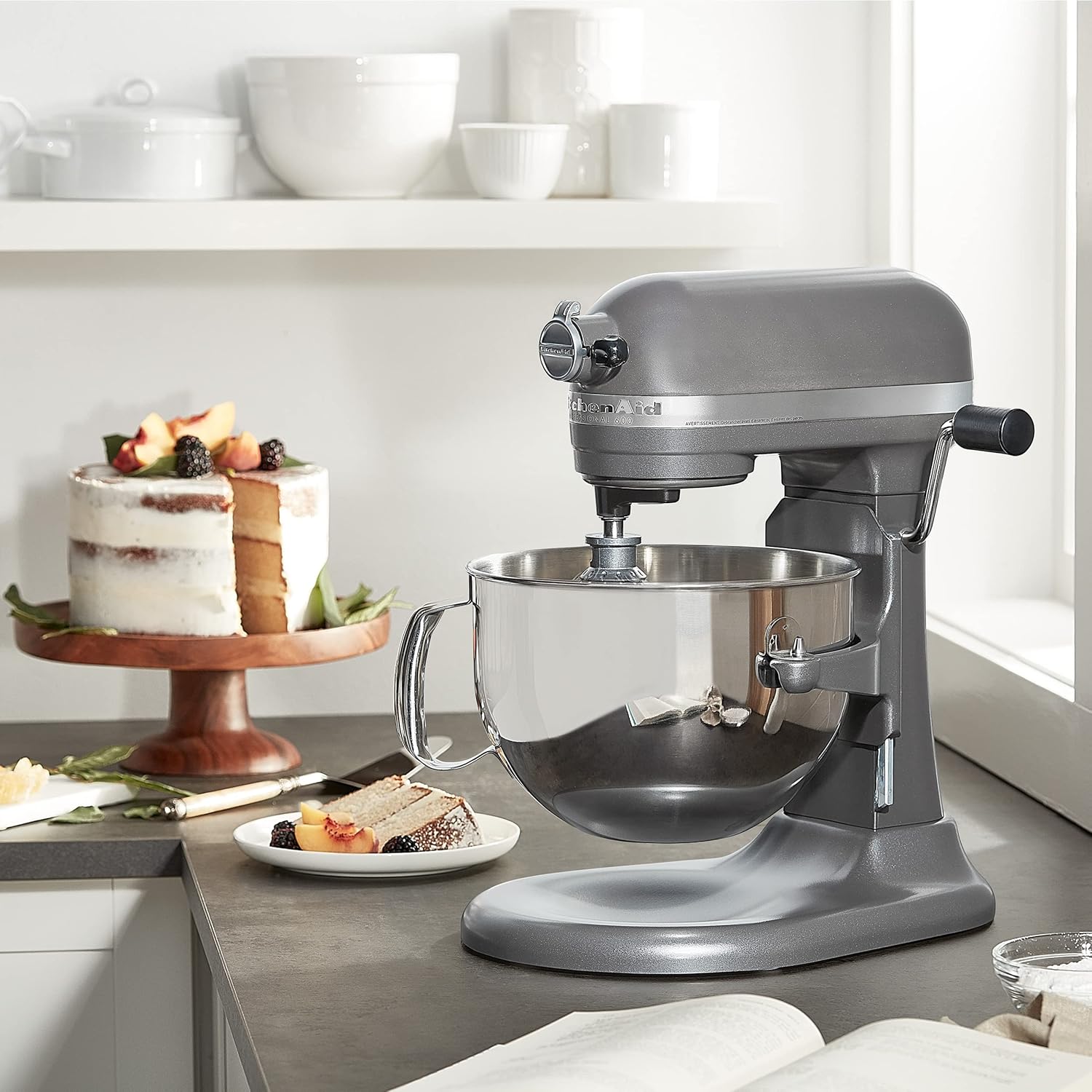
This is where the beater spins on its own axis while also orbiting around the bowl. It’s the secret to thorough mixing.
- What to look for: Users praising how they “rarely have to scrape the bowl” or how “all ingredients are evenly incorporated.”
- Red flags: Complaints about a “pillar of flour” at the bottom of the bowl or ingredients stuck to the sides.
Attachments: The Standard Trio
Your mixer will come with a flat beater, a dough hook, and a wire whisk. Their quality matters immensely.
- Flat Beater: The workhorse for batters and creaming butter and sugar. Look for reviews that mention if it’s coated (e.g., nylon) and whether that coating holds up or chips over time.
- Dough Hook: Typically a C-shape or a spiral. Bread bakers will often have strong opinions. Do they say it kneads efficiently, or does the dough just ride up the hook?
- Wire Whisk: For aerating. The key feedback here is whether it’s robust or if the wires feel flimsy and prone to bending.
Motor Power and Bowl Capacity
Reviews will tell you if the advertised bowl size is actually usable. A 7-quart mixer might be rated for 14 cups of flour, but a user might report that it struggles with anything over 10. This is the kind of practical limitation you can only learn from someone who has actually tried it.
Tilt-Head vs. Bowl-Lift Design
This is a major design difference, and reviews often highlight the pros and cons of each.
- Tilt-Head: Users often praise the ease of adding ingredients and swapping attachments. However, some might complain that the head can wobble under heavy loads.
- Bowl-Lift: Generally seen as more stable and powerful for heavy-duty tasks. The downside mentioned in reviews is that it can be less convenient to access the bowl.
Frequently Asked Questions (FAQ)
What’s the biggest red flag in customer reviews for a stand mixer?
The biggest red flag is a consistent pattern of complaints about the motor overheating or failing, especially when performing tasks the mixer is advertised to handle, like kneading bread dough. One or two isolated incidents might be lemons, but a recurring theme points to a design flaw.
How many reviews should I read before making a decision?
There’s no magic number, but a good rule of thumb is to read at least 15-20 reviews, making sure to look at a mix of 5-star, 3-star, and 1-star ratings. This gives you a balanced perspective beyond just the most positive or negative experiences.
Are negative customer reviews before buying stand mixer models always a dealbreaker?
Not necessarily. You need to evaluate the context. If a negative review is about a minor issue you don’t care about (e.g., the color isn’t exactly as pictured) or stems from user error, you can likely disregard it. Focus on recurring complaints about core functionality and durability.
Should I trust video reviews over written ones?
Video reviews are fantastic because they can show you the machine in action. You can hear the noise level and see how it handles a specific task. They are a great complement to written reviews, which often provide more detailed long-term insights.
Do reviews ever mention customer service or warranty claims?
Yes, and this is crucial information. Look for reviews that mention how a brand handled a problem. A company with responsive, helpful customer service who honors their warranty is a huge plus and adds to the trustworthiness of the investment.
Your Final Step to a Smarter Purchase
Choosing a stand mixer is a big step, and it’s one that can bring you joy for years to come. It’s more than just a kitchen appliance; it’s a partner in your creative process. By taking the time to carefully read and analyze what real users have to say, you’re not just buying a machine; you’re investing in a well-vetted, reliable tool. You’re leveraging the collective experience of a vast community to avoid common pitfalls and find the perfect fit for your kitchen. So go ahead, dive into those user experiences, and feel confident that reading customer reviews before buying stand mixer is the single best step you can take toward making a purchase you’ll love.