Let’s talk comfort food. Right at the top of that list, sitting like a fluffy, buttery king, is a perfect bowl of mashed potatoes. But getting them perfect—creamy, smooth, and lump-free—can feel like a workout. If you’re still relying on a hand masher, you know the struggle. That’s why today, we’re diving into How To Make Mashed Potatoes using the undisputed champion of the countertop: your stand mixer. Trust me, once you make them this way, you’ll never go back. It’s a total game-changer for achieving that restaurant-quality texture with almost zero effort.
Are you ready to transform your potato game from lumpy and laborious to luxuriously smooth? For years, I wrestled with getting the right consistency, only to discover the secret wasn’t in my arm strength, but in the appliance I was using. Your stand mixer isn’t just for baking cakes and kneading bread; it’s a versatile kitchen workhorse ready to tackle savory staples, too. Let’s unlock its full potential.
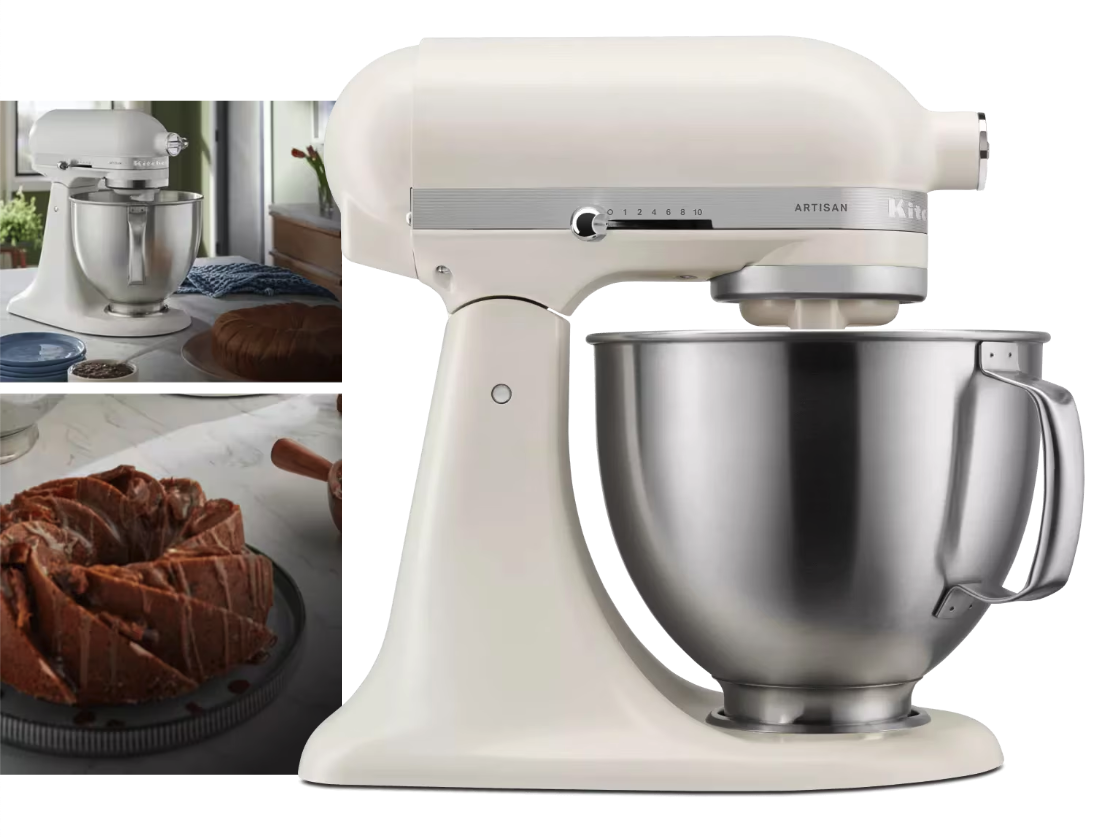
Why Use a Stand Mixer for Mashed Potatoes?
The simple answer? Consistency and efficiency. A stand mixer provides a level of power and control that you just can’t replicate by hand. The magic lies in its steady, even mixing action, which breaks down the cooked potatoes into a velvety purée without overworking them—the cardinal sin that leads to gummy, gluey potatoes.
Here’s the breakdown of why it’s the superior method:
- Effortless Perfection: Say goodbye to aching arms. The mixer does all the heavy lifting. You just add your ingredients and let the machine work its magic.
- Unbeatable Texture: The flat beater attachment is perfectly designed to mash and incorporate ingredients simultaneously, creating an incredibly smooth and creamy texture that’s nearly impossible to achieve with a hand masher.
- Speed: From cooked potatoes to a finished dish in minutes. It’s the perfect solution for busy weeknights or a hectic Thanksgiving dinner preparation.
- Hands-Free Operation: While the mixer is gently whipping your potatoes into shape, you’re free to finish the gravy, set the table, or just enjoy a moment of peace.
Think of it this way: a hand masher just crushes. A stand mixer, with its planetary mixing action, folds, blends, and aerates, creating a lighter, fluffier result.
|
Our Picks for the Best Stand Mixer in 2026
As an Amazon Associate, we earn from qualifying purchases.
|
||
| Num | Product | Action |
|---|---|---|
| 1 | KitchenAid 7 Quart Bowl-Lift Stand Mixer |

|
| 2 | COOKLEE 6-IN-1 Stand Mixer, 8.5 Qt. Multifunctional Electric Kitchen Mixer with Beater, Whisk, Dough Hook, Meat Grinder and Other Accessories for Most Home Cooks, SM-1507BM, Silvery |
|
| 3 | Instant Pot Stand Mixer Pro,600W 10-Speed Electric Mixer with Digital Interface,7.4-Qt Stainless Steel Bowl,From the Makers of Instant Pot,Dishwasher Safe Whisk,Dough Hook and Mixing Paddle,Silver |
|
| 4 | 6-in-1 Multifunctional Stand Mixer, 5.3Qt 660W, 6-Speed Tilt-head, Electric Kitchen Mixer with Stainless Steel Bowl,Meat Grinder, Juice Blender (Black) |
|
| 5 | Kitchen in the box Stand Mixer,3.2Qt Small Electric Food Mixer,6 Speeds Portable Lightweight Kitchen Mixer for Daily Use with Egg Whisk,Dough Hook,Flat Beater (Blue) |
|
| 6 | KitchenAid Classic Series 4.5 Quart Tilt-Head Stand Mixer K45SS, White |
|
| 7 | KitchenAid Artisan Series 5 Quart Tilt Head Stand Mixer with Pouring Shield KSM150PS, Blue Velvet |
|
| 8 | Stand Mixer | Powerful 660W Motor | Large 6.5 Qt. Bowl | 6-Speed Control | Dishwasher-Safe Attachments | Tilt-Head Design | Perfect for Home Bakers (Red) |
|
| 9 | DASH Tilt-Head 3.5qt Stand Mixer 12 Speeds with Paddle, Dough Hook, and Whisk Attaachments - Cream |
|
| 10 | Kitchen in the box Stand Mixer, 900W 8.5QT Kitchen Electric Mixer, 6-Speed Large Capacity Food Mixer for Home Cooks with Egg Whisk, Dough Hook & Flat Beater (Black) |
|
The A-Z Guide: From Potato Prep to Perfect Mash
Making incredible mashed potatoes with your stand mixer is less about a rigid recipe and more about a foolproof technique. Follow these steps, and you’ll be on your way to potato nirvana.
What You’ll Need: The Right Tools for the Job
Before we start, let’s gather our gear. The success of this method hinges on using the right components.
- The Potatoes: The type of potato you choose has a huge impact. For light and fluffy mashed potatoes, go for high-starch potatoes like Russets or Idaho. For a creamier, denser mash, Yukon Golds are your best bet.
- The Attachment: This is crucial. You want to use the flat beater (or paddle) attachment. Do not use the whisk attachment! The whisk incorporates too much air and moves too quickly, which will rupture the starch cells in the potatoes and turn them into a sticky, gummy paste. The flat beater gently breaks them apart and blends in your fats and liquids perfectly.
- The Liquids: Whole milk, heavy cream, or even buttermilk, warmed, are essential for a creamy texture. Cold liquids will cool down the potatoes and prevent them from absorbing the fat properly.
- The Fat: Unsalted butter is king. Make sure it’s at room temperature or slightly melted to incorporate seamlessly.
The Step-by-Step Guide: How to Make Mashed Potatoes Perfectly
Ready? Let’s get mixing. This process is simple and yields consistently amazing results.
- Prep and Boil the Potatoes: Peel your potatoes and cut them into uniform, 1 to 2-inch chunks. This ensures they all cook evenly. Place them in a large pot and cover with cold, salted water. Starting with cold water helps the potatoes cook more evenly from the outside in. Bring to a boil and cook until they are very tender—a fork should slide in with absolutely no resistance.
- Drain and Dry: This is a step many people skip, but it’s vital. Drain the potatoes thoroughly in a colander. Then, return the empty pot to the low heat for a minute and add the potatoes back in. Let them sit for a minute or two, shaking the pot occasionally, to steam off any excess moisture. Drier potatoes make for fluffier, more flavorful mashed potatoes.
- Transfer to the Mixer: Move the hot, dry potatoes to the bowl of your stand mixer fitted with the flat beater attachment.
- Start Mixing on Low: Turn the mixer on its lowest speed (usually “Stir”). Let it run for about 30 seconds to a minute to break up the large pieces. You don’t want to blast them on high right away.
- Add the Butter: With the mixer still on low, add your room-temperature butter cubes. Let them melt and incorporate fully into the potatoes.
- Slowly Stream in the Liquid: While the mixer is running, slowly pour in your warmed milk or cream. Adding it slowly allows the potatoes to absorb the liquid without becoming waterlogged. You’ll see the texture transform into something wonderfully creamy.
- Season and Serve: Stop the mixer once the potatoes are smooth. Do not overmix! Overmixing is the primary cause of gummy potatoes. Season generously with salt and pepper. Give it one last quick stir by hand with a spatula, and serve immediately.
According to food scientist and kitchen appliance engineer Dr. Amelia Vance, “The key is managing the potato’s starch cells. The flat beater’s gentle crushing and folding motion breaks the potatoes apart without aggressively shearing the cell walls, preserving the integrity of the starch. The whisk, on the other hand, is a recipe for disaster, creating a gluey texture by over-releasing starch molecules.”
Pro Tips for the Best Mashed Potatoes of Your Life
You’ve mastered the basics. Now, let’s elevate your dish from great to unforgettable with a few expert tricks.
- Infuse Your Milk: Before adding it to the potatoes, gently warm your milk or cream on the stovetop with a few cloves of garlic, a bay leaf, and some fresh thyme sprigs. Strain it before pouring it into the mixer for an incredible depth of flavor.
- Embrace Add-Ins: Once the potatoes are mashed, gently fold in your favorite additions by hand. Some popular choices include:
- Shredded cheddar, Gruyère, or Parmesan cheese
- Sour cream or cream cheese for extra tang and richness
- Crispy bacon bits and chopped chives
- Roasted garlic cloves (mash them in with the potatoes at the beginning)
- Brown the Butter: For a nutty, complex flavor, melt your butter in a saucepan over medium heat until it foams and the milk solids turn a toasty brown. Use this “beurre noisette” in place of regular butter.
Common Problems and Troubleshooting
Even with a stand mixer, things can occasionally go awry. Here’s how to troubleshoot the most common mashed potato issues.
Why are my mashed potatoes gummy?
This is almost always the result of one of two things: using the wrong type of potato (waxy potatoes like red potatoes are more prone to this) or, more likely, overmixing. Once the potatoes are smooth, stop the mixer. Any further mixing will develop the starches and turn them gluey. Also, double-check that you used the flat beater, not the whisk.
Why are my mashed potatoes lumpy?
Lumps are typically caused by undercooking the potatoes. Before you drain them, make sure they are completely tender all the way through. If you find a few lumps after mixing, you can run the mixer for a few more seconds on low, but be careful not to overdo it.
Why are my mashed potatoes bland?
Flavor comes from three places: salt, fat, and your liquid. Be sure to generously salt the cooking water. Use high-quality butter and full-fat dairy like whole milk or heavy cream. And don’t be shy with the salt and pepper at the end!
Frequently Asked Questions
What’s the best stand mixer speed for mashed potatoes?
Always start on the lowest speed (“Stir” or “1”) to break up the potatoes. You can increase to speed 2 or 3 to incorporate the butter and cream, but you should rarely need to go higher. High speeds risk overmixing.
Can I make mashed potatoes ahead of time?
Yes. You can prepare them completely and store them in the refrigerator. To reheat, place them in a slow cooker on low, or in an oven-safe dish covered with foil at 350°F (175°C) until warmed through. You may need to stir in a splash of warm milk to restore their creamy texture.
How many potatoes do I need per person?
A good rule of thumb is about 1/2 pound (about 225 grams) of uncooked potatoes per person. It’s always better to make a little extra, as they make for fantastic leftovers.
Can I use a hand mixer instead of a stand mixer?
You can, but you need to be very careful. A hand mixer’s beaters can also overwork the potatoes easily. If you use one, keep it on the lowest possible speed and mix for the shortest amount of time necessary. A stand mixer offers more control and better results.
Your New Favorite Kitchen Helper
Your stand mixer is so much more than a baker’s tool. By learning how to make mashed potatoes with this powerful kitchen appliance, you’re not just saving time and effort—you’re guaranteeing a perfectly textured, delicious side dish every single time. It’s an investment that pays off in every creamy, fluffy spoonful.
So go ahead, give your stand mixer a chance to shine on the savory side of your menu. We’d love to hear about your results or any creative add-ins you discover! Share your experiences in the comments below.