Welcome to Stand Mixer Pro, your go-to hub for everything related to this amazing kitchen workhorse. I still remember the day I unboxed my first stand mixer; it felt like I’d just hired a professional pastry assistant. But like any powerful tool, unlocking its full potential means learning the ropes and avoiding the Common Stand Mixer Mistakes that can turn a dream bake into a kitchen disaster. Are you ready to elevate your baking game by sidestepping these rookie errors? Let’s dive in.
That shiny new stand mixer on your counter isn’t just for show—it’s a powerhouse designed to whip, knead, and mix with precision. However, many enthusiastic bakers, both new and experienced, fall into a few traps. From choosing the wrong beater to cranking up the speed too soon, these simple slip-ups can affect the texture of your cakes, the rise of your bread, and even the lifespan of your cherished appliance. This guide is here to steer you clear of those pitfalls and ensure every creation is a masterpiece.
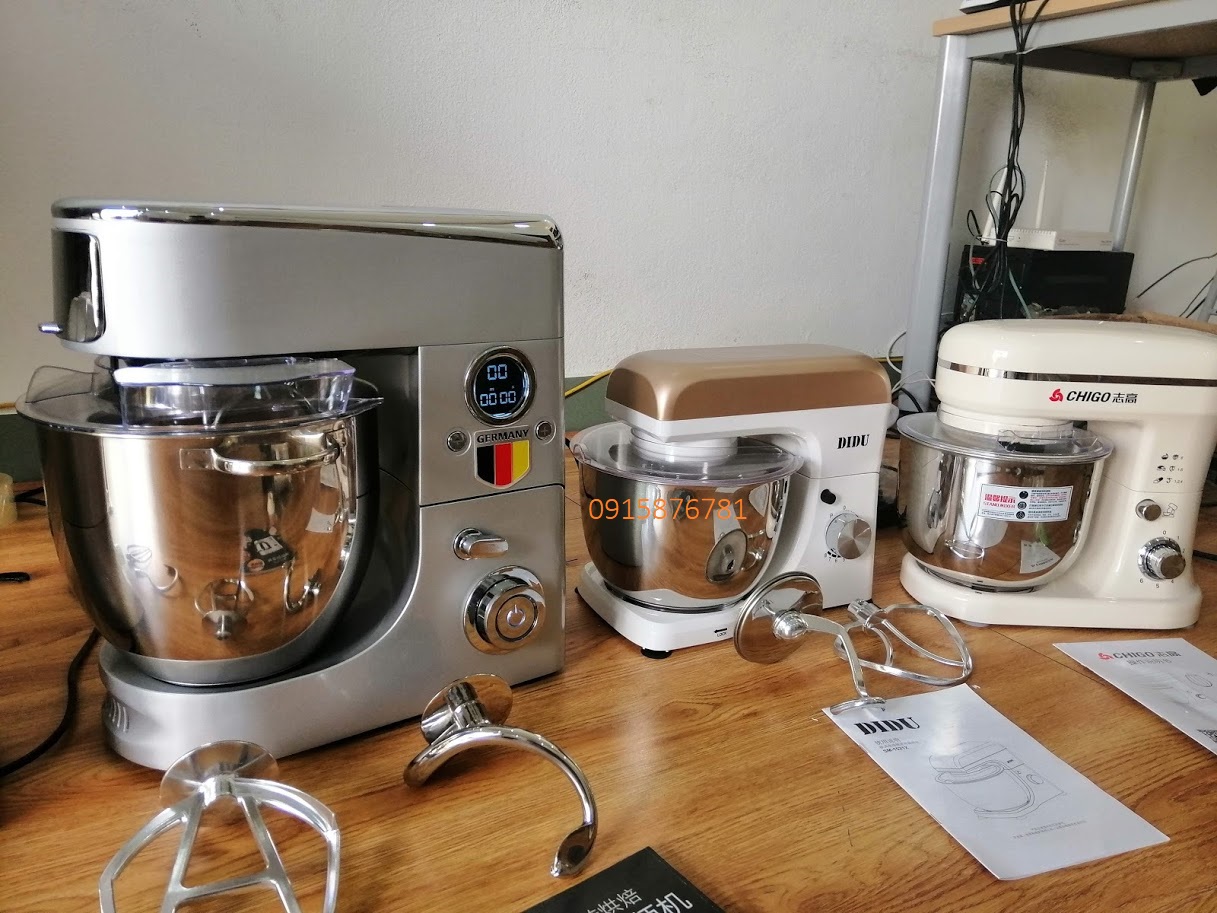
Mistake 1: Using the Wrong Attachment
Think of your stand mixer’s attachments as a chef’s knife set—each one has a specific job. Using the wrong one is like trying to chop an onion with a bread knife. It might get the job done, but not very well. Understanding the holy trinity of attachments is the first step to success.
The Flat Beater: Your Go-To Multitasker
This is your workhorse. The flat beater (or paddle attachment) is designed for “creaming” butter and sugar, mixing cake batters, cookie doughs, and even shredding cooked chicken. Its job is to thoroughly combine ingredients without whipping too much air into them.
- Common Mistake: Using the whisk for heavy cookie dough. This can bend the tines of your whisk and won’t properly incorporate the ingredients, leaving you with a lumpy, inconsistent dough.
The Dough Hook: The Bread Baker’s Best Friend
That spiral or C-shaped hook is a specialist. It mimics the motion of hand-kneading, developing the gluten in yeast doughs for bread, pizza, and rolls. It expertly pushes and folds the dough, saving your arms from a serious workout.
- Common Mistake: Trying to knead dough with the flat beater. This puts immense strain on your mixer’s motor and simply beats the dough around instead of properly developing the gluten structure needed for a good rise.
The Wire Whisk: Your Key to Light and Airy
The wire whisk (or whip) is all about aeration. Its job is to incorporate air into liquids. Use it for whipping egg whites into stiff peaks for meringue, making fluffy whipped cream, or creating light frostings. It’s for liquids and light mixtures only.
- Common Mistake: Using the whisk for anything thick or heavy. As mentioned, it can damage the attachment, and it’s also ineffective for combining dense ingredients.
Mistake 2: Starting on High Speed
We’ve all been there. You’ve got all your dry ingredients in the bowl, you flip the switch to high, and… poof. A mushroom cloud of flour erupts, coating you, your counter, and everything in a two-foot radius. It’s a classic rookie error.
Always, always start your mixer on the lowest speed setting (“Stir” on many models). This gives the ingredients a chance to combine gently. Once the flour is mostly incorporated, you can gradually increase the speed as the recipe dictates. This simple habit saves you a massive cleanup job and ensures your ingredients actually stay in the bowl.
Mistake 3: Overloading the Mixer Bowl
Your stand mixer has its limits, defined by its motor power and bowl capacity. While it’s tempting to double that giant batch of cookie dough, overloading the machine is one of the most serious common stand mixer mistakes.
As kitchen appliance engineer David Chen puts it, “The motor in a stand mixer is like a car engine. Pushing it past its stated capacity—like trying to tow a boat with a sedan—causes excessive strain, leading to overheating and potential long-term damage.”
An overloaded mixer will struggle, shake, and may even start to smell hot. The mixing action will become inefficient, leaving you with poorly mixed dough and an overworked machine. Always respect the manufacturer’s guidelines, typically found in your user manual, which often state the maximum capacity for flour or dough weight. If you need to make a large batch, it’s better to mix it in two smaller, manageable portions.
Mistake 4: Not Scraping Down the Bowl
Ah, the wonders of planetary mixing action! This feature, where the beater spins on its axis while also orbiting around the bowl, is what makes stand mixers so efficient. However, it’s not magic. There are always little pockets at the very bottom and sides of the bowl that the beater can’t quite reach.
Forgetting to periodically stop the mixer and scrape down the sides and bottom of the bowl with a silicone spatula is a critical error. If you don’t, you’ll end up with streaks of unmixed butter or clumps of flour in your finished batter. For perfectly homogenous mixtures, make it a habit to scrape the bowl at least once or twice during the mixing process.
Mistake 5: Over-mixing or Under-mixing
A stand mixer is incredibly powerful, which means things can go from perfectly mixed to over-mixed in a matter of seconds. Knowing when to stop is a skill that separates good bakers from great ones.
- Over-mixing Cake Batter: Once you add flour to wet ingredients, gluten starts to develop. For cakes, muffins, and quick breads, you want a tender crumb, which requires minimal gluten. Mix only until the flour streaks disappear. Over-mixing will result in tough, dense, and rubbery baked goods.
- Under-kneading Bread Dough: Conversely, for yeast breads, gluten is your friend. It’s what gives bread its structure and chew. The dough hook needs time to work its magic. Under-kneaded dough will be slack, sticky, and won’t rise properly, leading to a dense, heavy loaf. Most bread doughs require 8-12 minutes of kneading in a stand mixer.
Mistake 6: Ignoring the Beater-to-Bowl Clearance
This is a more technical tip, but it’s a game-changer. The clearance is the space between the bottom of your attachment and the bottom of the bowl. If the gap is too large, it will leave a permanent layer of unmixed ingredients. If it’s too small, the attachment will scrape the bowl, potentially chipping the coating on your beater or the bowl itself.
Most stand mixers, especially popular models from KitchenAid, have a small adjustment screw to fix this.
The Dime Test: A simple way to check the clearance.
- Place a dime in the bottom of your empty, attached mixing bowl.
- Attach the flat beater and turn the mixer on to its lowest setting.
- The beater should gently nudge the dime along once per rotation.
- If it doesn’t touch the dime, the beater is too high. If it pushes the dime aggressively, it’s too low. Adjust accordingly using the screw (consult your manual!).
Mistake 7: Neglecting Proper Cleaning and Maintenance
Your stand mixer is an investment, and treating it right will ensure it serves you for years, if not decades. A few simple maintenance habits go a long way.
- Always Unplug First: Before cleaning or changing attachments, always unplug the machine. Safety first!
- Handwash Attachments: While some attachments are listed as dishwasher-safe, harsh detergents can cause the metal to oxidize and develop a grey residue. Handwashing your flat beater and dough hook is always the safest bet. The wire whisk often requires a little extra care to clean between the tines.
- Wipe Down the Body: Use a soft, damp cloth to wipe down the mixer’s body and base. Never submerge the motor housing in water.
- Clean the Vents: Occasionally check the motor’s air vents for flour dust buildup, which can cause overheating. A dry brush or a can of compressed air can clear them out.
By avoiding these common stand mixer mistakes, you’re not just using a machine; you’re mastering a craft. Your stand mixer will become a reliable partner, helping you achieve consistently delicious results every time you bake.
Frequently Asked Questions (FAQ)
What are the most common stand mixer mistakes for beginners?
The most frequent errors for new users are starting the mixer on high speed (creating a flour cloud), using the wrong attachment for the job (e.g., a whisk for cookie dough), and not scraping down the sides of the bowl, which leads to uneven mixing.
Can common stand mixer mistakes damage my machine?
Absolutely. The most damaging mistakes are consistently overloading the bowl with ingredients beyond its capacity and using the wrong attachment for heavy-duty tasks. Both of these actions put significant strain on the motor, which can lead to overheating and shorten the appliance’s lifespan.
How do I fix the mistake of over-whipping cream?
If you’ve over-whipped cream and it’s starting to look grainy or separate, don’t throw it out! You can often save it by slowly drizzling in a couple of tablespoons of fresh, un-whipped heavy cream while mixing on the lowest speed. Stop as soon as it comes back together.
Is using the wrong speed a common stand mixer mistake?
Yes. Besides starting too fast, many people don’t utilize the full range of speeds. Lower speeds are for combining and slow mixing, mid-range speeds are for creaming butter and sugar, and high speeds are for aerating with the whisk. Using a speed that’s too high for a heavy dough can strain the motor.
Why is my dough climbing up the dough hook?
Dough climbing the hook is a very common issue, but not necessarily a mistake. It often happens with softer, stickier doughs. You can solve this by stopping the mixer, scraping the dough back down into the bowl, and restarting. Some users find that lightly oiling the dough hook can also help prevent it.