Welcome to the heart of your kitchen’s powerhouse, the stand mixer. If you’ve ever unboxed one of these beautiful machines, you’ve probably met its crew of standard attachments: the flat beater, the wire whisk, and that one, slightly mysterious, hook-shaped tool. For many aspiring bakers, the first question that pops into their head is, What Is A C Dough Hook and what on earth am I supposed to do with it? You’re not alone in asking. I remember staring at the one that came with my very first stand mixer, a classic KitchenAid, thinking it looked more like a piece of modern art than a kitchen tool.
But let me tell you, that simple C-shaped hook is the key to unlocking a world of incredible breads, pizza doughs, and pastries—all without breaking a sweat. It’s the difference between a laborious, flour-dusted workout and effortless, perfect dough every single time. So, let’s pull back the curtain and get you properly acquainted with your new best friend in baking.
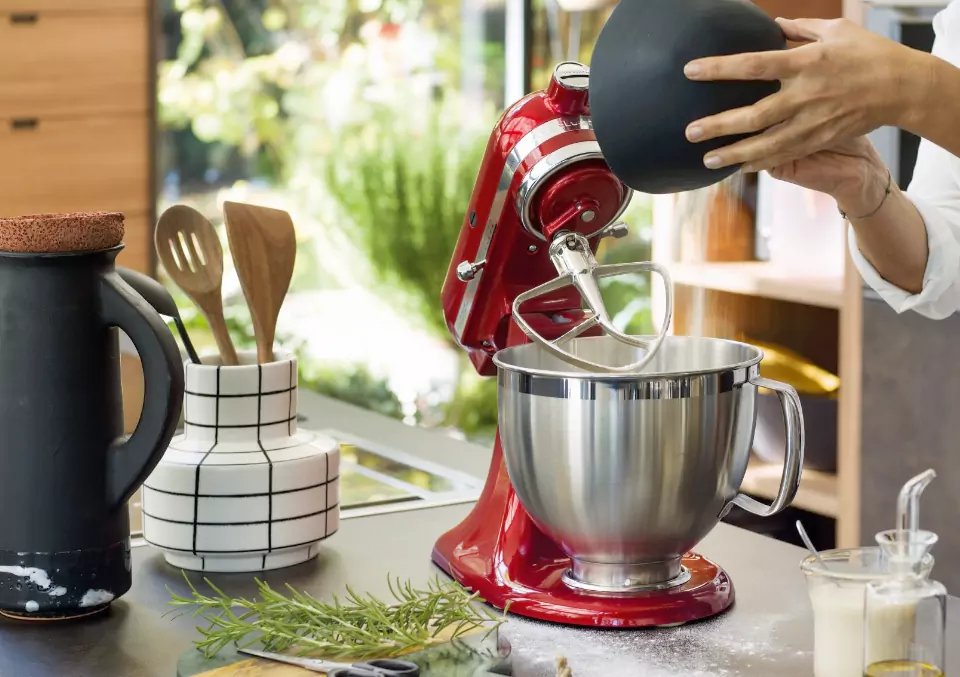
The Workhorse Attachment: Defining the C Dough Hook
So, what is a C dough hook? In short, the C dough hook is a stand mixer attachment specifically designed to mimic the motion of hand-kneading. Its signature “C” shape is engineered to grab a section of dough, push it against the side of the bowl, and then fold it back over itself, effectively developing the gluten strands that give bread its structure and chew.
Think about how you knead by hand: you push the dough away from you with the heel of your hand, fold it over, and give it a quarter turn. The C dough hook, combined with the mixer’s planetary mixing action (where the beater spins on its axis while also orbiting the bowl), replicates this exact push-and-turn motion, but with far more power and consistency than our arms ever could. It’s the unsung hero for any recipe that calls for a strong, elastic dough.
How Does it Actually Work?
The magic is in the mechanics. As the C dough hook rotates through the bowl:
- The bottom of the hook catches and lifts the dough from the base.
- The curve of the “C” pushes the dough against the side of the bowl.
- As it continues its rotation, it folds the dough over, incorporating ingredients and stretching the gluten.
This process is repeated dozens of times per minute, aerating the dough and developing a strong gluten network much faster and more efficiently than manual kneading. This is essential for yeast doughs like brioche, sourdough, and classic white bread.
C Dough Hook vs. Spiral Dough Hook: The Kneading Showdown
Now, you might have seen another type of dough hook out there, the “spiral” or “corkscrew” dough hook. Many newer or higher-capacity models, like those from KitchenAid’s Pro Line or Kenwood, favor this design. So what’s the difference, and is one better than the other?
A C dough hook primarily kneads by pushing the dough around the bowl. A spiral dough hook, on the other hand, uses a corkscrew action to knead the dough from the bottom up, keeping it centered and preventing it from “climbing” up the hook—a common quirk of the C-hook design.
Here’s a quick breakdown:
| Feature | C Dough Hook | Spiral Dough Hook |
|---|---|---|
| Kneading Action | Pushes and turns dough around the bowl’s sides. | Pushes dough down and kneads from the bottom up. |
| Best For | All-purpose use, smaller batches, softer doughs. | Large batches, heavy and stiff doughs (like whole wheat). |
| “Dough Climb” | More prone to dough climbing up the hook. | Designed to prevent dough from climbing. |
| Efficiency | Very effective, but may require scraping the bowl. | Generally more efficient for heavy-duty jobs. |
| Common Brands | Standard on most KitchenAid Artisan & Classic models. | Standard on KitchenAid Pro Line, Bowl-Lift models, Kenwood. |
|
Our Picks for the Best Stand Mixer in 2026
As an Amazon Associate, we earn from qualifying purchases.
|
||
| Num | Product | Action |
|---|---|---|
| 1 | Instant Pot Stand Mixer Pro,600W 10-Speed Electric Mixer with Digital Interface,7.4-Qt Stainless Steel Bowl,From the Makers of Instant Pot,Dishwasher Safe Whisk,Dough Hook and Mixing Paddle,Silver |

|
| 2 | Kitchen in the box Stand Mixer,3.2Qt Small Electric Food Mixer,6 Speeds Portable Lightweight Kitchen Mixer for Daily Use with Egg Whisk,Dough Hook,Flat Beater (Blue) |
|
| 3 | DASH Tilt-Head 3.5qt Stand Mixer 12 Speeds with Paddle, Dough Hook, and Whisk Attaachments - Cream |
|
| 4 | Kitchen in the box Stand Mixer, 900W 8.5QT Kitchen Electric Mixer, 6-Speed Large Capacity Food Mixer for Home Cooks with Egg Whisk, Dough Hook & Flat Beater (Black) |
|
| 5 | KitchenAid 7 Quart Bowl-Lift Stand Mixer |
|
| 6 | 6-in-1 Multifunctional Stand Mixer, 5.3Qt 660W, 6-Speed Tilt-head, Electric Kitchen Mixer with Stainless Steel Bowl,Meat Grinder, Juice Blender (Black) |
|
| 7 | KitchenAid Classic Series 4.5 Quart Tilt-Head Stand Mixer K45SS, White |
|
| 8 | KitchenAid Artisan Series 5 Quart Tilt Head Stand Mixer with Pouring Shield KSM150PS, Blue Velvet |
|
| 9 | Stand Mixer | Powerful 660W Motor | Large 6.5 Qt. Bowl | 6-Speed Control | Dishwasher-Safe Attachments | Tilt-Head Design | Perfect for Home Bakers (Red) |
|
| 10 | COOKLEE 6-IN-1 Stand Mixer, 8.5 Qt. Multifunctional Electric Kitchen Mixer with Beater, Whisk, Dough Hook, Meat Grinder and Other Accessories for Most Home Cooks, SM-1507BM, Silvery |
|
Honestly, for the vast majority of home bakers, the classic what is a C dough hook will be more than enough to handle everything from pizza night to a weekend cinnamon roll project. It’s a tried-and-true design that has produced millions of perfect loaves.
How to Master Your C Dough Hook From Day One
Using your C dough hook is wonderfully simple, but a few pro tips can elevate your results from good to bakery-quality. Let’s walk through it.
Getting Started: Attachment and Speed Settings
First things first, let’s get it on the machine. On most tilt-head stand mixers:
- Ensure the mixer is turned off and unplugged. Safety first, always!
- Tilt the motor head back using the locking lever.
- Align the pin on top of the C dough hook with the slot on the beater shaft.
- Push the hook upward and turn it counter-clockwise until it locks into place.
- Lower the motor head and lock it. You’re ready to go!
Now for the most critical part: speed. The golden rule for kneading with a C dough hook is low and slow.
“Home bakers often make the mistake of cranking up the speed, thinking it will knead faster. In reality, you risk overheating your dough and straining the mixer’s motor. The ideal speed for kneading is almost always speed ‘2’ on a KitchenAid. It’s the perfect pace for gentle, thorough gluten development.”
— Chef Isabella Rossi, Pastry Expert & Culinary Instructor
Never go above speed 2 when kneading yeast doughs. It’s all the power you need, and it protects your machine in the long run.
The Kneading Process: What to Watch For
Once you have your ingredients combined into a shaggy mass, it’s time to let the C dough hook take over. You’re looking for the dough to transform. Initially, it will be sticky and messy. After 5-10 minutes of kneading (depending on the recipe), you should see a few key signs:
- The dough pulls away from the sides of the bowl. It will form a mostly cohesive ball that slaps against the bowl as it’s kneaded.
- The dough looks smooth and elastic. It won’t be tearing easily.
- The “Windowpane Test.” This is the ultimate test. Take a small piece of dough and gently stretch it between your fingers. If you can stretch it thin enough to see light through it without it tearing, the gluten is perfectly developed.
If your dough starts climbing up the C dough hook, don’t panic! It’s normal. Just stop the mixer, scrape the dough back down into the bowl, and continue.
Cleaning and Maintenance: A Little TLC Goes a Long Way
Keeping your C dough hook in prime condition is easy. After you’re done, immediately remove it from the mixer. Most standard C dough hooks are made of burnished aluminum or have a white polyester coating.
- Check the material. If it’s coated (usually white), it’s typically dishwasher safe on the top rack.
- If it’s burnished aluminum (dull silver), it is NOT dishwasher safe. The harsh detergents will cause it to oxidize and turn black. Wash it by hand with warm, soapy water.
- For stubborn, dried-on dough, just soak it in warm water for a few minutes. It’ll slide right off.
- Dry it thoroughly before storing it to prevent any corrosion.
Taking a moment to clean it properly ensures it will be ready for your next baking adventure.
Frequently Asked Questions (FAQ)
What can I make with a C dough hook?
You can make any kind of yeast-leavened dough. This includes sandwich bread, artisan loaves, pizza dough, cinnamon rolls, brioche, challah, and even pasta dough. It’s an incredibly versatile kitchen appliance attachment.
Can a C dough hook over-knead my dough?
Yes, it is possible. A stand mixer is very powerful. Keep an eye on your dough. Over-kneaded dough will feel tough and dense, and it may start to tear easily after initially becoming smooth. Most home recipes are perfectly kneaded in 8-12 minutes on low speed.
Why is my dough climbing up the C dough hook?
This is a common occurrence, especially with stickier or wetter doughs. The pushing motion of the C dough hook can sometimes encourage the dough to ride up the attachment. Simply stop the mixer and scrape it down as needed.
Is a coated or burnished aluminum C dough hook better?
The coated hooks are easier to clean since they are dishwasher safe. However, some bakers prefer the heft and feel of uncoated, burnished aluminum hooks. Functionally, they both perform the same kneading job excellently. The choice is mostly about cleaning preference.
My mixer didn’t come with a C dough hook, can I buy one?
Absolutely. Brands like KitchenAid sell their standard attachments separately. Just make sure you purchase the correct one for your specific stand mixer model (e.g., a hook for a 4.5-quart tilt-head will not fit a 6-quart bowl-lift).
Your Gateway to Better Baking
So, what is a C dough hook? It’s more than just a piece of metal; it’s your tireless assistant, your secret weapon for perfect texture, and your ticket to exploring the rewarding world of bread making. It takes the most physically demanding part of baking and turns it into a hands-free, watch-it-happen process, freeing you up to prepare your fillings or simply enjoy a cup of coffee.
Investing in a stand mixer is a game-changer, and learning to master its attachments, especially the C dough hook, is how you truly get your money’s worth. Now go on, grab that flour, and let’s get kneading! We’d love to hear about your first creation using your dough hook in the comments below.