Welcome to the heart of the modern kitchen, where creativity and efficiency collide. If you’ve ever dreamt of effortlessly whipping up cloud-like meringues or kneading dense bread dough without breaking a sweat, you’re in the right place. The baking lifestyle with a stand mixer is more than just a trend; it’s a fundamental shift in how we approach cooking, turning daunting tasks into joyful expressions of culinary art. Are you ready to unlock a new level of potential in your kitchen and discover why this iconic appliance is the cornerstone of so many happy bakers’ homes?
I remember my pre-stand mixer days vividly—sore arms from whisking, uneven cookie dough, and a general reluctance to tackle more ambitious recipes. My first stand mixer wasn’t just a purchase; it was an investment in my passion. It changed the game entirely. For those considering this leap, or for current owners looking to deepen their connection with their machine, this guide is your roadmap to mastering the baking lifestyle with a stand mixer. To really get the most out of your investment, it’s important to understand every aspect of it, from use to care. For those who want to dive deeper into proper upkeep, exploring topics like eco friendly cleaning for stand mixer can provide valuable insights into maintaining your appliance for years to come.
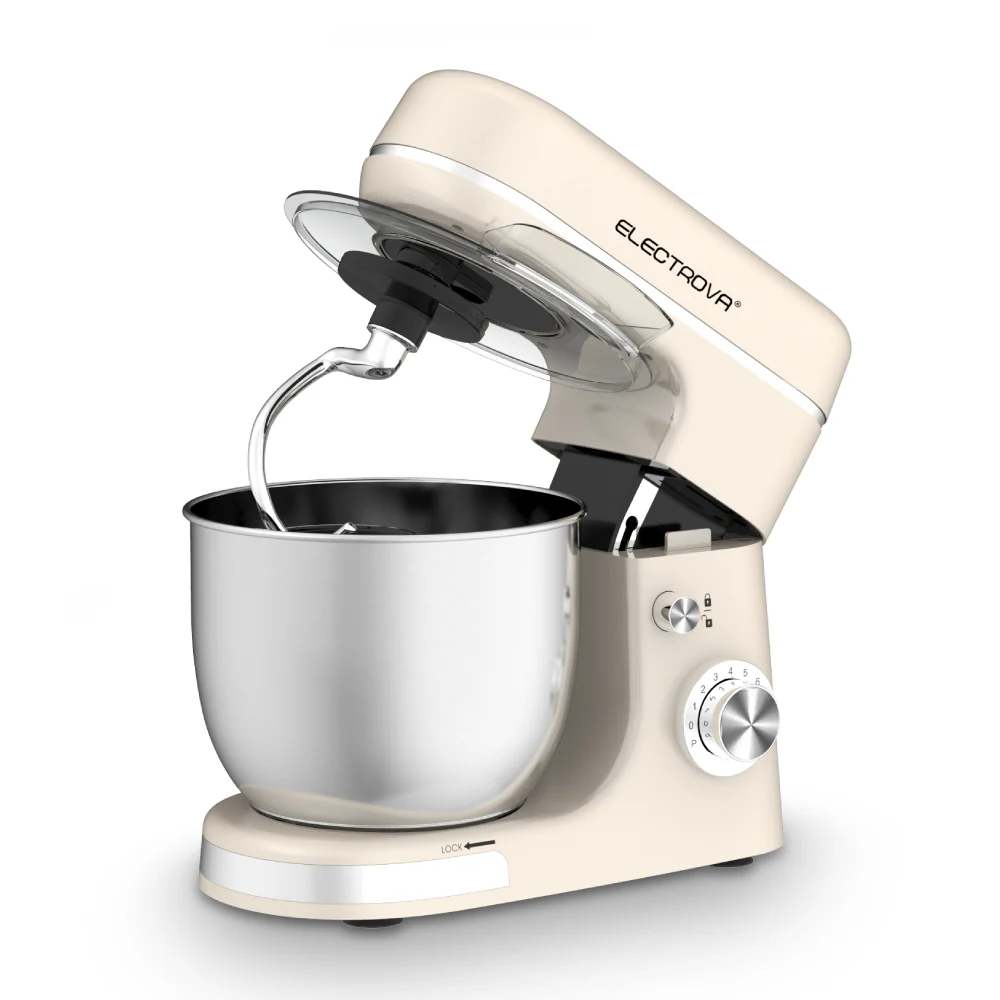
Why Do You Really Need a Stand Mixer?
A stand mixer is far more than just a pretty countertop accessory. It’s a powerhouse that streamlines your process, improves your results, and opens up a world of recipes that are tedious or nearly impossible by hand. It’s the ultimate kitchen assistant.
- Unmatched Efficiency and Power: Imagine creaming butter and sugar for a cake. By hand, it’s a 10-minute arm workout. A stand mixer does it perfectly in a fraction of the time, leaving you free to measure out your next ingredients. Its powerful motor can tackle stiff bread doughs that would exhaust even the most seasoned baker.
- Superior Consistency: The secret to many professional-quality baked goods is thorough, even mixing. The celebrated planetary mixing action—where the beater spins on its axis while also orbiting around the bowl—ensures no pocket of flour is left behind. This means no more surprise lumps of baking soda in your muffins.
- Hands-Free Multitasking: This is where the magic truly happens. While the mixer is busy kneading your pizza dough for a solid 8 minutes, you can be chopping vegetables for the toppings or tidying up the kitchen. It gives you back the most valuable ingredient of all: time.
- Versatility Beyond Baking: Don’t let the “baking” focus fool you. With the right attachments, your stand mixer can shred chicken for tacos, mash potatoes to a perfect creaminess, and even make homemade pasta or sausage. It transforms from a baking tool into a comprehensive kitchen workhorse.
What Are the Main Types of Stand Mixers?
When you start shopping, you’ll notice two primary designs. Choosing between them depends on your kitchen space and the types of recipes you plan to make most often.
Tilt-Head Models
This is the design most people picture. The motor housing is on a hinge, allowing you to tilt the head back to access the bowl and beater.
- Pros: Easy to add ingredients, simple to attach and remove the bowl and accessories. Generally smaller and lighter, making them a good fit for most home kitchens.
- Cons: Can sometimes struggle and vibrate with very heavy, dense doughs. The hinge mechanism can be a potential point of wear over time.
Bowl-Lift Models
Favored in commercial settings and by serious home bakers, this design features a stationary head and a lever that raises the bowl up into the mixing position.
- Pros: Extremely stable and robust, designed to handle large, heavy batches without wobbling. The direct power transfer from the motor often makes them feel more powerful.
- Cons: Can be trickier to add ingredients during mixing. They are typically taller and heavier, so you’ll need to measure your counter-to-cabinet clearance.
According to kitchen appliance engineer David Chen, “The choice between tilt-head and bowl-lift really comes down to volume and density. For the average baker making cakes, cookies, and occasional bread, a quality tilt-head is perfect. If you’re consistently making double batches of sourdough or dense fruitcakes, the stability of a bowl-lift is a significant advantage.”
|
Our Picks for the Best Stand Mixer in 2026
As an Amazon Associate, we earn from qualifying purchases.
|
||
| Num | Product | Action |
|---|---|---|
| 1 | Kitchen in the box Stand Mixer, 900W 8.5QT Kitchen Electric Mixer, 6-Speed Large Capacity Food Mixer for Home Cooks with Egg Whisk, Dough Hook & Flat Beater (Black) |

|
| 2 | COOKLEE 6-IN-1 Stand Mixer, 8.5 Qt. Multifunctional Electric Kitchen Mixer with Beater, Whisk, Dough Hook, Meat Grinder and Other Accessories for Most Home Cooks, SM-1507BM, Silvery |
|
| 3 | Stand Mixer | Powerful 660W Motor | Large 6.5 Qt. Bowl | 6-Speed Control | Dishwasher-Safe Attachments | Tilt-Head Design | Perfect for Home Bakers (Red) |
|
| 4 | Kitchen in the box Stand Mixer,3.2Qt Small Electric Food Mixer,6 Speeds Portable Lightweight Kitchen Mixer for Daily Use with Egg Whisk,Dough Hook,Flat Beater (Blue) |
|
| 5 | KitchenAid Classic Series 4.5 Quart Tilt-Head Stand Mixer K45SS, White |
|
| 6 | KitchenAid Artisan Series 5 Quart Tilt Head Stand Mixer with Pouring Shield KSM150PS, Blue Velvet |
|
| 7 | KitchenAid 7 Quart Bowl-Lift Stand Mixer |
|
| 8 | Instant Pot Stand Mixer Pro,600W 10-Speed Electric Mixer with Digital Interface,7.4-Qt Stainless Steel Bowl,From the Makers of Instant Pot,Dishwasher Safe Whisk,Dough Hook and Mixing Paddle,Silver |
|
| 9 | 6-in-1 Multifunctional Stand Mixer, 5.3Qt 660W, 6-Speed Tilt-head, Electric Kitchen Mixer with Stainless Steel Bowl,Meat Grinder, Juice Blender (Black) |
|
| 10 | DASH Tilt-Head 3.5qt Stand Mixer 12 Speeds with Paddle, Dough Hook, and Whisk Attaachments - Cream |
|
Your A-Z Guide: From Unboxing to First Mix
Feeling a little intimidated by your new machine? Don’t be. Getting started is easier than you think.
- Find a Home: Place your mixer on a stable, level countertop. Ensure it has some space around it for ventilation and easy access.
- Wash Before Use: Hand wash the bowl, flat beater, dough hook, and whisk attachment in warm, soapy water before their first use. Dry them thoroughly.
- Secure the Bowl: For most models, the bowl twists and locks into the base plate. You should feel a satisfying click when it’s secure.
- Attach Your Tool: Select the appropriate attachment. On a tilt-head, tilt the head back, slide the attachment onto the shaft, push up, and twist to lock it in place.
- Start Low, Go Slow: Always start your mixer on the lowest speed (“Stir” or 1). This prevents a flour explosion and allows ingredients to incorporate gently before you ramp up the speed.
What Can I Make with the Standard Attachments?
Your stand mixer likely came with three essential tools. Understanding what each one does is key to unlocking its full potential and elevating your baking lifestyle with a stand mixer.
The Flat Beater (or Paddle)
This is your multi-purpose workhorse. Its design is perfect for combining ingredients without whipping too much air into them.
- Best for: Creaming butter and sugar, mixing cake batters and cookie dough, making frosting, and even shredding cooked meat.
The Dough Hook
This hook mimics the motion of hand-kneading, developing the gluten in yeast doughs for a perfect rise and texture.
- Best for: Kneading bread dough, pizza dough, cinnamon rolls, and brioche. Pro-tip: Most doughs are perfectly kneaded on speed 2. Any higher can strain the motor.
The Wire Whisk (or Whip)
This attachment is all about aeration. Its thin wires rapidly incorporate air into liquids, increasing their volume dramatically.
- Best for: Whipping egg whites for meringues and soufflés, making whipped cream, and creating light, airy frostings like ermine or Swiss meringue buttercream.
Maintenance and Cleaning Tips for Your Stand Mixer
A well-maintained mixer can last for decades. Giving it a little TLC after each use will ensure it remains a reliable partner in your kitchen adventures.
- Unplug First: Safety first! Always unplug the machine before cleaning or changing attachments.
- Wipe Down the Body: Use a soft, damp cloth to wipe down the mixer’s body and head. Never submerge the motor housing in water. For stubborn grease, a little mild soap on the cloth works wonders.
- Clean the Attachments: Most standard attachments are not dishwasher safe unless specified (often only stainless steel versions are). Wash them by hand with warm, soapy water to prevent the finish from oxidizing.
- Check the Vents: Occasionally, wipe the motor’s ventilation slots to ensure they are free of flour dust, which can cause overheating.
- The “Dime Test”: If you notice your mixer isn’t reaching the bottom of the bowl, you may need to adjust the beater-to-bowl clearance. A common trick is to see if a dime placed in the bowl is gently moved by the flat beater on a low setting. Check your user manual for specific adjustment instructions.
Frequently Asked Questions (FAQ)
Can a stand mixer knead all types of dough?
Yes, a quality stand mixer with a dough hook is designed to knead everything from soft brioche to stiff whole wheat and rye doughs. The key is to use the correct speed (usually speed 2) and not to overload the bowl’s capacity.
What’s the biggest mistake beginners make?
Starting on too high a speed. This is the number one cause of flour clouds and messy kitchens! Always start on “stir” to combine ingredients before increasing the speed.
How do I know what speed to use for my recipe?
Your mixer’s manual is a great starting point. As a general rule: low speeds (1-2) for stirring and kneading, medium speeds (4-6) for mixing and creaming, and high speeds (8-10) for whipping.
Is a more powerful motor (higher wattage) always better?
Not necessarily. While wattage indicates power consumption, torque is what truly matters for tough jobs like kneading. A well-engineered mixer with a DC motor might have lower wattage but deliver more consistent power to the bowl than a higher-wattage AC motor. Look at reviews from trusted sources like CNET or Wirecutter that test performance.
Can I use my stand mixer for things other than baking?
Absolutely! The baking lifestyle with a stand mixer often evolves into a general “from-scratch” lifestyle. With optional attachments, you can grind meat, make pasta, spiralize vegetables, and even churn ice cream.
A stand mixer is more than just an appliance; it’s a catalyst for creativity. It empowers you to try new things, perfect old favorites, and share delicious creations with the people you love. By understanding its capabilities and how to care for it, you’re not just buying a machine—you’re embracing a more rewarding and delicious way of life. So go ahead, plug it in, and see where your culinary journey takes you. What will you create first?