So, you’re taking the leap. The aroma of freshly baked bread is about to become your daily reality, not just a weekend hobby. Congratulations! But before you can fill your display case, you need a true workhorse for your kitchen. If you’re ready to buy a professional stand mixer for bakery operations, you’re in the right place. This isn’t just about getting a bigger machine; it’s about investing in the heart of your business, the engine that will power your passion. Are you ready to choose a partner that won’t quit on you?
I’ll never forget the day my trusty home mixer gave up the ghost trying to knead a double batch of brioche. There was a puff of smoke and a sad, grinding noise. That was the day I learned the critical difference between a kitchen appliance and a piece of professional equipment. To avoid that costly lesson, understanding the nuances of your purchase is key. For those serious about their craft, it’s worth exploring how to buy stand mixer with warranty from the very beginning.
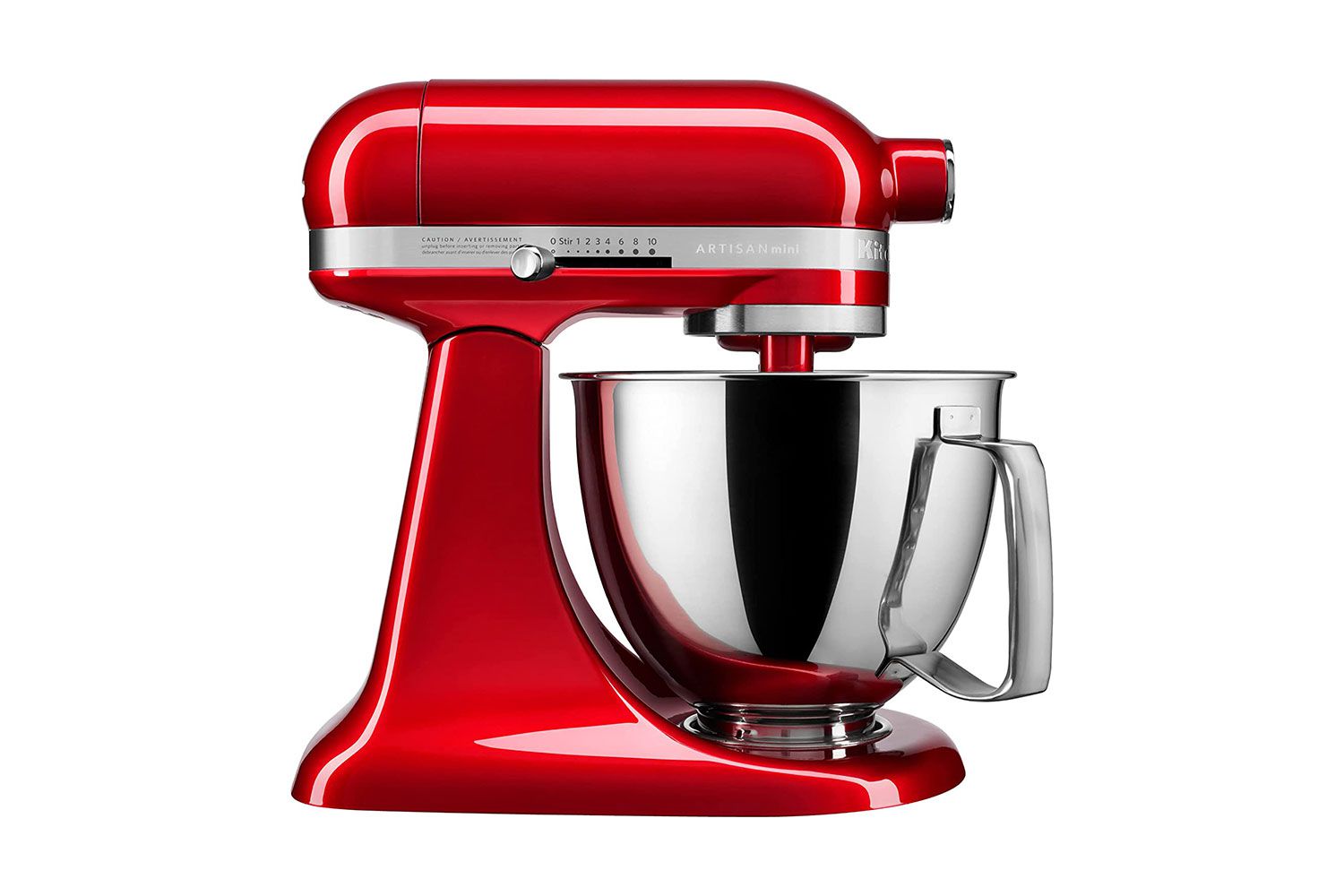
Why Your Home Mixer Won’t Cut It
Let’s be real for a moment. That beautiful tilt-head mixer that’s been perfect for birthday cakes and Christmas cookies is a sprinter. For a bakery, you need a marathon runner. A home mixer in a commercial setting is a recipe for disaster.
Here’s why you need to upgrade:
- Built for Volume: Professional mixers are designed to handle heavy, dense doughs like sourdough or whole wheat in large quantities, day in and day out, without overheating. Their motors and gears are built for endurance.
- Consistency is King: A powerful motor and superior mixing action ensure that every batch of dough or batter is perfectly and evenly mixed. This means consistent product quality for your customers, which is the cornerstone of a good reputation.
- Durability and Longevity: These machines are typically constructed from all-metal components. They’re built to withstand the bumps, scrapes, and relentless pace of a commercial kitchen. Think of it as the difference between a family sedan and a commercial delivery van.
- Safety and Certification: Many professional mixers are NSF (National Sanitation Foundation) certified, which is often a requirement for commercial kitchens. This means they meet strict standards for public health protection.
What to Look For When You Buy a Professional Stand Mixer for Bakery
Navigating the specs can feel overwhelming. Watts, quarts, AC/DC… what does it all mean for your perfect croissant dough? Let’s break it down into plain English.
Motor Power: It’s Not Just About the Watts
You’ll see wattage advertised everywhere, but it’s not the whole story. The type of motor is arguably more important.
- AC (Alternating Current) Motors: Often found in less expensive or older models. They can be powerful but are typically louder and less efficient under heavy load. They can sometimes struggle to maintain consistent speed when kneading a stiff dough.
- DC (Direct Current) Motors: The gold standard for modern professional mixers. They are significantly quieter, more energy-efficient, and, most importantly, deliver consistent torque directly to the bowl. This means even when you dump in a heavy load of flour, the motor maintains its speed without straining. This is the kind of reliable power you need.
Bowl Capacity & Design: Bowl-Lift is Non-Negotiable
For a bakery, the debate between a tilt-head and a bowl-lift model is over before it begins. You need a bowl-lift mixer.
Why? Stability. A bowl-lift design, where the bowl is raised up to the mixing attachment via a lever, provides a much more stable platform. When you’re dealing with 8, 10, or even 20 quarts of dough, the last thing you want is the mixer head rocking and vibrating across the counter.
When considering capacity (measured in quarts), think in terms of your output:
- 5-8 Quart: Suitable for a very small startup, a home-based bakery with a commercial license, or for smaller, specific tasks like whipping up a batch of macarons.
- 10-20 Quart: A great starting point for a small to medium-sized bakery. This size can handle multiple loaves of bread or several dozen cookies at once.
- 30+ Quart: These are floor models, true industrial beasts for high-volume production.
As veteran pastry chef Jean-Pierre Moreau often says, “Your mixer determines your bakery’s capacity. Don’t buy a machine for the business you have today; buy it for the business you want to have in two years.”
Planetary Mixing Action: The Secret to a Perfect Mix
This term sounds fancy, but the concept is simple and crucial. The beater spins on its axis in one direction while also orbiting around the bowl in the opposite direction. Imagine the Earth spinning on its axis while it revolves around the Sun. This ensures the attachment touches dozens of points around the bowl, scraping the sides and folding ingredients in for a completely homogenous mix. Every single professional stand mixer worth its salt will have this feature.
Mastering Your Professional Stand Mixer Attachments
Your mixer is only as good as its attachments. The three workhorses you’ll get are the dough hook, the flat beater, and the wire whip.
- The Spiral Dough Hook: This will be your best friend. It’s designed to mimic the motion of hand-kneading, efficiently developing the gluten in your bread doughs. Pro Tip: Always start on the lowest speed (“Stir”) to combine ingredients, then move up to speed 2 for kneading. Never go higher; it’s unnecessary and can overwork the dough and strain the motor.
- The Flat Beater (or Pastry Knife): This is your multi-purpose tool. It’s perfect for creaming butter and sugar for cookies, mixing cake batters, making frosting, or even shredding cooked chicken. Its design allows it to thoroughly combine ingredients without whipping too much air into them.
- The Wire Whip (or Whisk): This attachment is all about aeration. Use it for whipping egg whites into stiff peaks for meringue, creating voluminous whipped cream, or making light and airy frostings. Important: Never use the wire whip for heavy mixtures like cookie dough. You’ll bend the wires and potentially damage the attachment.
Keeping Your Investment in Top Shape: Maintenance and Cleaning
A professional stand mixer is a significant investment. Treat it well, and it will serve you for years, if not decades.
- Clean After Every Use: This is non-negotiable in a professional kitchen. Wipe down the body of the mixer with a damp cloth. Never submerge the main unit in water.
- Hand Wash Attachments: While some attachments might be listed as dishwasher-safe, repeated exposure to harsh detergents can cause oxidation, especially on burnished aluminum parts. A quick hand wash is always the safest bet for longevity.
- Check the “Dime Test”: Periodically check the beater-to-bowl clearance. A simple way to do this (on many KitchenAid models, for example) is the “dime test.” Place a dime in the bottom of the bowl. With the flat beater attached, it should just barely move the dime without hitting the bowl hard. You can adjust this clearance with a small screw on the machine’s hinge.
- Listen to Your Machine: Pay attention to any new sounds—grinding, whining, or knocking. These can be early warning signs that your mixer needs professional servicing. Don’t ignore them! For a business, having a reliable machine is paramount, which is why when you decide to buy a professional stand mixer for your bakery, you should seriously consider options to buy stand mixer with warranty.
Frequently Asked Questions (FAQ)
What size professional stand mixer do I need for a small bakery?
For a small bakery, a 10-20 quart bowl-lift mixer is an excellent starting point. It offers the capacity for small-scale commercial production without the massive footprint and electrical requirements of a larger floor model, providing a good balance of power and size.
Can a professional stand mixer for a bakery handle stiff doughs?
Absolutely. A key reason to buy a professional stand mixer for bakery use is its ability to handle very low-hydration, stiff doughs like bagel or artisan bread doughs. Their powerful DC motors and robust all-metal gearboxes are specifically designed for this heavy-duty task.
Is an NSF-certified mixer really necessary?
For a commercial food establishment in many regions, yes. NSF certification ensures the mixer is designed and constructed in a way that promotes food safety, is easy to clean, and is resistant to bacterial growth. Always check your local health department regulations.
How is a professional stand mixer different from a high-end home mixer?
The main differences are the motor type (often DC for consistent torque), build materials (all-metal gears vs. sometimes nylon), duty cycle (designed for continuous use), capacity, and certifications like NSF. A professional machine is built for commercial endurance, not occasional home use.
What’s the biggest mistake to avoid when buying a mixer?
The biggest mistake is under-buying. Don’t choose a mixer based on your launch-day needs. Anticipate growth and invest in a machine that can handle a 50-100% increase in production. Buying a machine that’s too small will create a production bottleneck and force you to upgrade sooner than you’d like.
Your Bakery’s Best Investment
Choosing the right kitchen equipment is more than a purchase; it’s a foundational business decision. A reliable, powerful stand mixer will save you countless hours of labor, ensure product consistency, and allow you to scale your production as your bakery grows. It’s the silent partner that works tirelessly behind the scenes so your creative vision can take center stage.
Take your time, assess your needs, and don’t be afraid to invest in quality. The decision you make when you buy a professional stand mixer for bakery use will pay dividends in perfectly kneaded dough, fluffy meringues, and happy customers for years to come. Now, what’s the first thing you’re going to bake with your new powerhouse?