Welcome to the heart of the kitchen, where flour flies and magic happens. If you’re serious about baking, or even just dreaming of those perfectly kneaded bread doughs and cloud-like meringues, the conversation always leads to one indispensable tool. Are you ready to buy a stainless steel stand mixer? I thought so. My first stand mixer completely changed the game for me, turning laborious tasks into effortless creations, and I’m here to guide you through making that same transformative leap for your own kitchen.
Choosing the right kitchen appliance can feel overwhelming, but it doesn’t have to be. Think of this as a conversation between friends, where I’ll share everything I’ve learned over the years to help you find the perfect partner for your culinary adventures. To make this journey even easier, our comprehensive stand mixer buying guide offers even more detailed comparisons and insights. Let’s dive in and find the mixer that’s built to last and ready to perform.
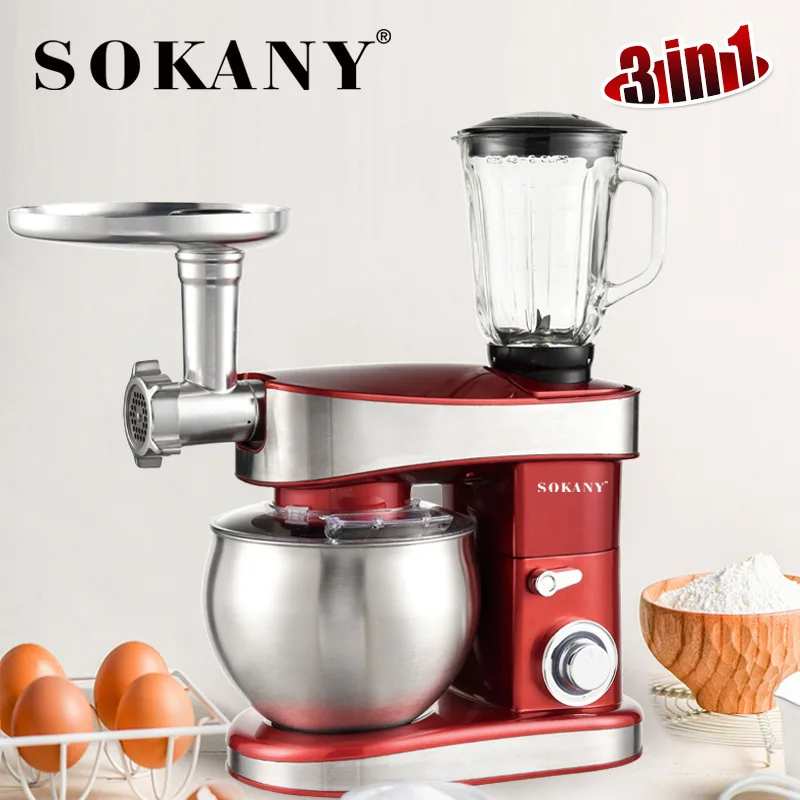
Why a Stand Mixer is Your Kitchen’s Best Friend
So, what’s all the fuss about? Is a stand mixer really that different from a hand mixer or, dare I say, a good old-fashioned wooden spoon? In a word: absolutely.
A stand mixer isn’t just a mixer; it’s a powerhouse, a second pair of hands that never gets tired. Picture this: you’re making brioche. The dough needs to be kneaded for a solid 10-15 minutes to develop that silky, elastic gluten structure. Doing that by hand is a serious workout. With a stand mixer, you simply attach the dough hook, set the speed, and walk away. It does the heavy lifting while you prep your next ingredients.
The benefits are clear:
- Power and Efficiency: They tackle dense bread doughs, thick cookie batters, and large batches without breaking a sweat. The motor does the work your arm muscles would have to.
- Consistency: A stand mixer’s planetary mixing action—where the beater spins on its axis while also rotating around the bowl—ensures every speck of flour and sugar is perfectly incorporated. No more surprise pockets of unmixed ingredients.
- Hands-Free Operation: This is the real game-changer. While your mixer whips egg whites to stiff peaks, you can be melting chocolate or prepping your cake pans. It’s the key to multitasking in the kitchen.
- Versatility: With a variety of attachments, this one appliance can grind meat, roll pasta, spiralize vegetables, and even make ice cream. It’s a true kitchen workhorse.
What to Look for When You Buy a Stainless Steel Stand Mixer
When you decide to buy a stainless steel stand mixer, you’re choosing durability and timeless style. Stainless steel is robust, resists chipping and staining, and is non-reactive, meaning it won’t impart any metallic flavors to your food. But beyond the material, there are a few key decisions to make. For those who know they’ll be working with heavy loads, exploring the best stand mixer for large batches is a crucial next step.
Tilt-Head vs. Bowl-Lift: The Great Debate
This is one of the first choices you’ll face, and it mostly comes down to personal preference and kitchen space.
- Tilt-Head: The motor head tilts back, allowing you to easily access the bowl and attachment. This design is fantastic for most home bakers. It’s generally a bit shorter, making it a better fit under standard kitchen cabinets. Changing attachments or scraping the bowl is a breeze.
- Bowl-Lift: On these models, the head is fixed, and you use a lever to raise and lower the bowl into position. This design is typically found on larger, more powerful mixers. The stability is unmatched, which is a huge plus when you’re kneading very heavy or large quantities of dough.
Think of it like this: a tilt-head is like a convenient sedan for daily driving, while a bowl-lift is the heavy-duty truck you bring out for the biggest jobs.
Power and Motor: What Does Wattage Really Mean?
You’ll see wattage advertised everywhere, but a higher number doesn’t always mean a better mixer. It’s more about how efficiently the motor transfers power to the mixing bowl. A well-engineered 325-watt mixer can easily outperform a poorly designed 500-watt one.
According to kitchen appliance engineer David Chen, “Look for mixers with DC (Direct Current) motors if you can. They are quieter, more energy-efficient, and deliver consistent torque even at low speeds, which is perfect for gently kneading delicate doughs.”
An AC (Alternating Current) motor is more common and still very effective, but a DC motor is the mark of a premium machine.
Bowl Capacity: How Big is Big Enough?
Stand mixer bowls are typically measured in quarts. The most common size is around 5 quarts, which is a fantastic all-rounder. A 5-quart bowl can handle a recipe for 9 dozen cookies, two loaves of bread, or a standard cake batter with ease. If you frequently bake for large crowds or run a small home bakery, you might consider a 6, 7, or even 8-quart model. Understanding how to choose a stand mixer involves carefully considering your typical batch size to avoid buying a machine that’s too small or unnecessarily large.
Unlocking Your Mixer’s Potential: A Guide to Attachments
Your stand mixer is only as versatile as its attachments. Most models come with the “essential three,” each designed for a specific task.
- The Flat Beater (or Paddle): This is your everyday workhorse. It’s for “creaming” butter and sugar, mixing cake and cookie batters, and even shredding cooked chicken. Its shape allows it to thoroughly mix without incorporating too much air.
- The Dough Hook: This C-shaped or spiral hook mimics the motion of hand-kneading. It’s essential for developing gluten in bread, pizza, and brioche doughs. Once you use a dough hook, you’ll never go back to kneading by hand again.
- The Wire Whisk (or Whip): Perfect for incorporating air. Use it for whipping egg whites into meringue, turning heavy cream into whipped cream, or making light and airy frostings. Pro tip: For best results, chill your stainless steel bowl and whisk attachment before whipping cream.
Beyond these, many brands offer a universe of optional attachments, turning your mixer into a multi-functional kitchen hub. You can often buy stand mixer online and find bundles that include some of these specialty tools.
Keeping Your Stainless Steel Stand Mixer Gleaming: Cleaning and Care
A well-maintained machine will be your kitchen companion for decades. Thankfully, cleaning a stainless steel stand mixer is straightforward.
- Safety First: Always unplug the mixer before cleaning.
- Attachments and Bowl: Most stainless steel bowls, flat beaters, and dough hooks are dishwasher safe (always check the manufacturer’s instructions!). Wire whisks often have an aluminum hub and should be hand-washed to prevent corrosion.
- The Mixer Body: Never immerse the mixer body in water. Simply wipe it down with a damp cloth and a little mild soap if needed. Dry it immediately with a soft, clean cloth.
- Stainless Steel Shine: To keep the stainless steel looking its best, wipe in the direction of the grain. For stubborn fingerprints, a small amount of white vinegar or a dedicated stainless steel cleaner on a microfiber cloth works wonders.
- Check-Up: Periodically, check that the head isn’t wobbly. Some models have a small screw that can be adjusted to tighten it. This information is usually in your user manual.
Frequently Asked Questions (FAQ)
What is the main advantage of a stainless steel stand mixer?
The primary advantages are durability and hygiene. Stainless steel is incredibly tough, resistant to scratches and dents, and won’t rust. It’s also non-porous and non-reactive, so it won’t absorb odors or colors from food, and it’s completely safe for acidic ingredients like lemon curd.
Can a stainless steel stand mixer handle heavy dough?
Absolutely. In fact, it’s what they are built for. The combination of a powerful motor, a sturdy body, and an efficient dough hook attachment allows them to knead even the stiffest bread doughs with ease, developing gluten far more effectively than by hand.
How much should I expect to spend when I buy a stainless steel stand mixer?
Prices can vary widely, from around $100 for basic models to over $700 for high-end, professional-grade machines. A reliable, high-quality mixer from a reputable brand like KitchenAid or Kenwood typically falls in the $300-$500 range. It’s an investment, but one that pays dividends in quality and longevity. You can often find good deals when you buy stand mixer walmart or other major retailers.
Are the attachments and bowl always made of stainless steel?
The bowl is almost always stainless steel. For the attachments, it varies. Dough hooks and flat beaters are often coated metal (which is dishwasher safe) or burnished aluminum (which must be hand-washed). Wire whisks typically have stainless steel wires and an aluminum hub (hand-wash only). Always check the product specifications.
What’s the first thing I should make with my new mixer?
I always recommend starting with something simple that showcases the mixer’s power. A big batch of chocolate chip cookies is perfect for getting comfortable with the flat beater. Or, try making whipped cream with the wire whisk—you’ll be amazed at how quickly it comes together!
Your Culinary Journey Starts Here
Choosing to buy a stainless steel stand mixer is more than just a purchase; it’s an investment in your creativity, your time, and the joy of making food for people you love. It opens up a world of culinary possibilities, from artisan sourdough bread to delicate macarons. This single, beautiful appliance will quickly become the most-used and most-loved tool in your kitchen arsenal.
Now that you’re armed with the knowledge to make a confident choice, the only question left is: what masterpiece will you create first?