Welcome to the heart of the kitchen, where the hum of a powerful motor means something delicious is on its way. As your dedicated guide from Stand Mixer Pro, I’ve seen these incredible machines turn baking from a chore into an art form. But with great power comes a crucial question every home baker asks sooner or later, especially during a long kneading session: Can You Leave A Stand Mixer Unattended? It’s tempting, isn’t it? You’ve got dough kneading for ten minutes, and a dozen other things are calling your name.
Let’s cut to the chase. The short, professional, and safety-first answer is no, you should not leave a stand mixer unattended while it is operating. Think of it less like a slow cooker and more like a power tool for your kitchen. It’s a robust piece of equipment with a powerful motor, and walking away introduces risks you might not have considered. But this isn’t just a simple “yes” or “no” issue. Let’s break down the why, explore the potential dangers, and discuss the nuances so you can use your beloved kitchen appliance safely and effectively.
The Real Risks: Why Walking Away Is a Bad Idea
I get it. Modern life is all about multitasking. But when your mixer is churning away, especially with a heavy load, a few things can go wrong—sometimes quite spectacularly. My first stand mixer, a gift from my grandmother, taught me these lessons the hard way. Here’s what you need to be aware of.
The “Walking” Mixer Phenomenon
Have you ever seen a washing machine on an aggressive spin cycle start to shudder and move across the floor? The same physics apply to your stand mixer, especially when you’re using the dough hook.
Kneading a stiff, heavy dough like sourdough or whole wheat creates an uneven load inside the bowl. As the dough hook works its magic, it pulls and pushes this heavy mass around. This can create vibrations that, on a slick countertop, can cause the mixer to literally “walk” or “travel.” I’ve heard horror stories from bakers who stepped away for “just a minute” only to return to the sound of their prized KitchenAid or Kenwood crashing to the floor.
According to product engineer David Chen, who specializes in kitchen appliance design, “The stability of a stand mixer is a balance of weight, base design, and the force generated by the motor. Heavy, dense mixtures fundamentally challenge that stability, making constant supervision a non-negotiable safety practice.”
Motor Strain and Overheating
Your stand mixer’s motor is its powerhouse, but it’s not invincible. Tasks like kneading dense bread dough or mixing a thick batch of cookies for an extended period put significant strain on the motor.
- Heat Buildup: Continuous operation generates heat. While quality mixers are designed to handle this, poor ventilation or an exceptionally long, tough job can lead to overheating. If you’re not there to notice the housing getting unusually hot or to smell that faint, tell-tale scent of a struggling motor, you risk permanent damage.
- Gear Stress: The planetary mixing action that makes these machines so efficient relies on a series of gears. An overly stiff dough or accidentally dropping a hard object (like a rogue chunk of cold butter) into the mix can strain or even strip these gears. Being present allows you to hear any unusual grinding sounds and stop the machine immediately.
Ingredient Mishaps and Bowl Security
Sometimes the danger isn’t mechanical, but culinary. Leaving the mixer unattended means you can’t react to what’s happening inside the bowl.
- Splashes and Spills: Adding flour too quickly or turning the speed up too fast can result in a flour-pocalypse all over your counter. Being there allows you to add ingredients gradually and manage the speed.
- Bowl Disengagement: On tilt-head models, a very heavy load and intense vibration could potentially cause the bowl to twist and unlock from its base. On bowl-lift models, while more secure, it’s still crucial to ensure the bowl is properly seated on its pins.
Can You Ever Leave a Stand Mixer Unattended? The Nuances
Okay, so we’ve established the golden rule: stay with your mixer. But does this mean you have to stare at it, mesmerized, for 10 straight minutes? Not exactly. There’s a difference between leaving the room and multitasking in the room.
The level of supervision required often depends on the task at hand.
Low-Risk Tasks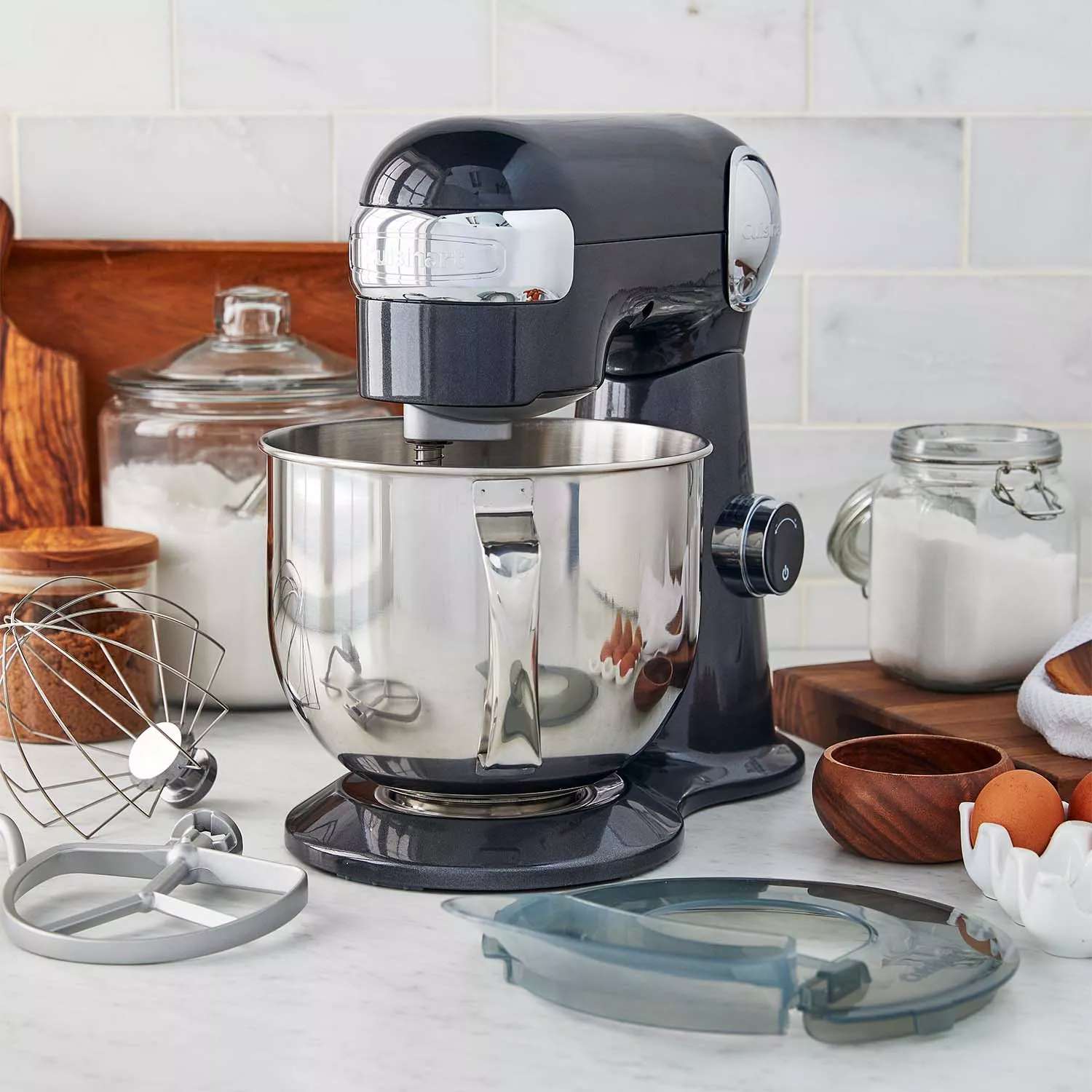
These are jobs where the mixer is on a low speed with a light, liquid mixture. You still shouldn’t leave the house, but you can likely work on something else nearby.
- Slowly combining wet and dry ingredients for a cake batter.
- Gently stirring a sauce or pudding on the lowest setting.
- Whipping cream or egg whites at a medium speed (though you’ll want to watch closely to avoid over-whipping!).
High-Risk Tasks
These are the non-negotiables. For these tasks, you need to be right there, able to hit the “off” switch in a split second.
- Kneading any type of bread dough: This is the number one cause of “walking” mixers.
- Mixing very thick or stiff batters: Think dense fruitcake or a large batch of thick cookie dough.
- Operating at the highest speeds: The potential for vibration and splashing increases exponentially.
Features That Boost Safety and Stability
When you’re choosing a new stand mixer or evaluating your current one, certain features contribute significantly to its stability. While none of them are a substitute for your supervision, they provide a better safety net.
- Weight and Construction: Heavier is better. A mixer with a solid, die-cast metal body (like many popular models from KitchenAid) is far less likely to travel than a lighter, plastic-bodied one.
- Base Design: Look for a wide, stable base. Some models come with rubber or suction-cup feet that grip the countertop, providing an extra layer of security.
- Overload Protection: Some high-end mixers have a built-in sensor that automatically shuts the motor off if it detects excessive strain. This is a fantastic feature that can save your appliance from burnout.
- Bowl-Lift vs. Tilt-Head: While both are excellent designs, bowl-lift models are generally considered more stable for heavy-duty tasks. The single-piece construction of the “neck” and base provides a more rigid frame with fewer moving parts under load. You can learn more about the differences in our Bowl-Lift vs. Tilt-Head guide.
|
Our Picks for the Best Stand Mixer in 2026
As an Amazon Associate, we earn from qualifying purchases.
|
||
| Num | Product | Action |
|---|---|---|
| 1 | KitchenAid 7 Quart Bowl-Lift Stand Mixer |

|
| 2 | KitchenAid Classic Series 4.5 Quart Tilt-Head Stand Mixer K45SS, White |
|
| 3 | Stand Mixer | Powerful 660W Motor | Large 6.5 Qt. Bowl | 6-Speed Control | Dishwasher-Safe Attachments | Tilt-Head Design | Perfect for Home Bakers (Red) |
|
| 4 | Kitchen in the box Stand Mixer,3.2Qt Small Electric Food Mixer,6 Speeds Portable Lightweight Kitchen Mixer for Daily Use with Egg Whisk,Dough Hook,Flat Beater (Blue) |
|
| 5 | KitchenAid Artisan Series 5 Quart Tilt Head Stand Mixer with Pouring Shield KSM150PS, Blue Velvet |
|
| 6 | 6-in-1 Multifunctional Stand Mixer, 5.3Qt 660W, 6-Speed Tilt-head, Electric Kitchen Mixer with Stainless Steel Bowl,Meat Grinder, Juice Blender (Black) |
|
| 7 | COOKLEE 6-IN-1 Stand Mixer, 8.5 Qt. Multifunctional Electric Kitchen Mixer with Beater, Whisk, Dough Hook, Meat Grinder and Other Accessories for Most Home Cooks, SM-1507BM, Silvery |
|
| 8 | Kitchen in the box Stand Mixer, 900W 8.5QT Kitchen Electric Mixer, 6-Speed Large Capacity Food Mixer for Home Cooks with Egg Whisk, Dough Hook & Flat Beater (Black) |
|
| 9 | DASH Tilt-Head 3.5qt Stand Mixer 12 Speeds with Paddle, Dough Hook, and Whisk Attaachments - Cream |
|
| 10 | Instant Pot Stand Mixer Pro,600W 10-Speed Electric Mixer with Digital Interface,7.4-Qt Stainless Steel Bowl,From the Makers of Instant Pot,Dishwasher Safe Whisk,Dough Hook and Mixing Paddle,Silver |
|
Frequently Asked Questions (FAQ)
Let’s tackle some of the most common questions we get here at Stand Mixer Pro.
1. How long can a stand mixer run continuously?
This depends on the model and the task. For heavy kneading, most manufacturers recommend running the mixer for no more than 10-12 minutes at a time, followed by a rest period of 20-30 minutes to allow the motor to cool. Lighter tasks like whipping can often go for longer. Always consult your user manual.
2. What should I do if my stand mixer starts “walking”?
Turn it off immediately. Reposition it in the center of your counter. You can place a non-slip silicone mat underneath for extra grip. If the problem persists even with lighter loads, it could indicate an internal imbalance that requires servicing.
3. Is it safe to leave a KitchenAid stand mixer unattended?
Even with their reputation for being heavy and durable, the same rules apply. A KitchenAid mixer can and will walk across a counter with a heavy bread dough. It is a powerful kitchen appliance and requires your full attention during high-strain operations.
4. Can you leave a stand mixer unattended when kneading dough specifically?
Absolutely not. This is the most critical time to supervise your mixer. The combination of high torque from the motor and the uneven, heavy load of the dough creates the highest risk of the machine moving or overheating.
5. What are the signs my stand mixer motor is overheating?
The first sign is often the exterior housing becoming very warm or hot to the touch. You might also notice a faint “hot electronics” or burning smell. Some mixers will change their motor’s sound, laboring more audibly. If you notice any of these, turn it off immediately and let it cool down completely.
The Final Word
Your stand mixer is arguably the most valuable player in your baking arsenal. It saves you time, effort, and opens up a world of creative possibilities. Treating it with the respect a powerful tool deserves is key to ensuring it serves you well for years to come.
So, while the dream of a completely automated, “set it and forget it” baking process is appealing, the reality is that your presence is the most important safety feature. Stay in the kitchen, enjoy the process, and keep an eye on your trusty machine. The answer to can you leave a stand mixer unattended is a firm but friendly “please don’t.” Your mixer—and your floors—will thank you for it.
Have you ever had a mixer take a walk on you? Share your stories and tips in the comments below! We love hearing from our community.