Welcome to the heart of the kitchen, where flour flies and magic happens. If you’re standing in front of a shiny new stand mixer, or perhaps just dreaming of one, you’ve probably stared at that speed dial and wondered, “So, How Many Speeds Do I Need?” It’s a question I get all the time, and frankly, it’s one of the most important ones you can ask. The answer isn’t just a number; it’s about understanding the soul of your machine and what you want to create with it.
Getting this right is the difference between a lumpy batter and a silky one, between a tough loaf of bread and an airy, perfectly developed one. Think of it less like a simple “off” and “on” switch and more like the gearbox in a car. You wouldn’t start from a standstill in fifth gear, right? The same logic applies here. For those ready to dive deep into choosing their next kitchen workhorse, our comprehensive stand mixer buying guide is an excellent starting point. Let’s break down the speed settings and figure out exactly what your baking style calls for.
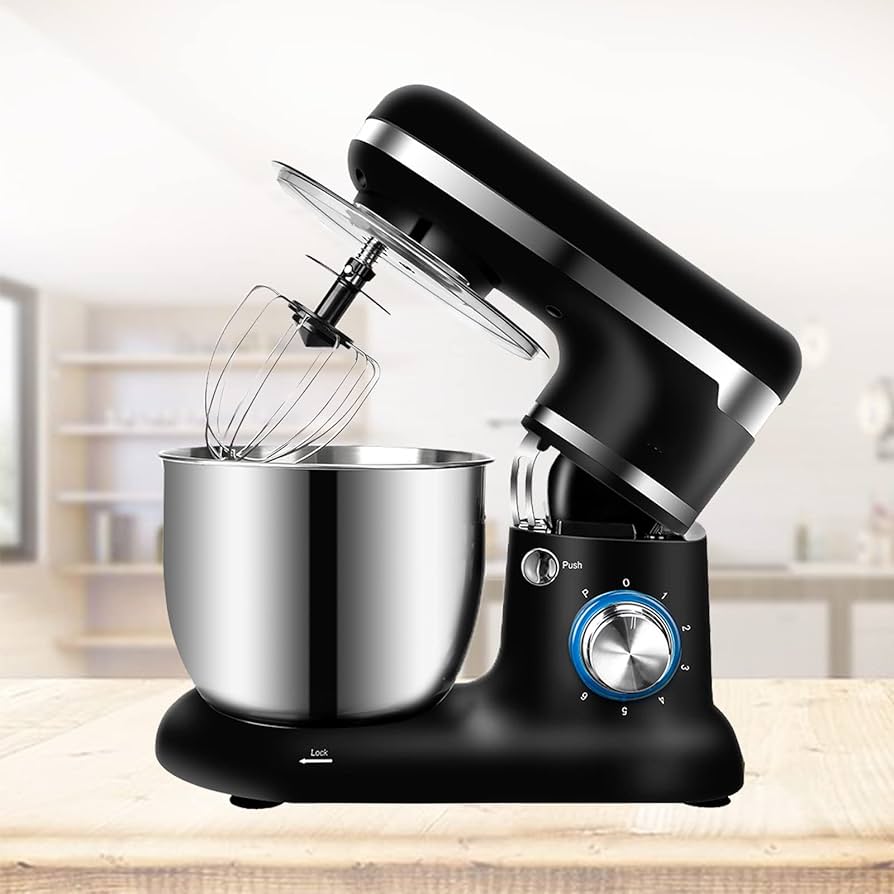
Why Speeds Aren’t Just Numbers
Before we get into the nitty-gritty, let’s debunk a common myth: more speeds don’t automatically mean a better mixer. What truly matters is the quality and distinction between those speeds. A well-engineered 7-speed mixer can outperform a poorly designed 12-speed one any day of the week. The goal is control. You want a mixer that can go slow enough to gently fold in chocolate chips without breaking them and fast enough to whip egg whites into stiff, glossy peaks.
My first stand mixer was a game-changer. I remember making a simple meringue and watching in awe as the wire whisk transformed simple egg whites and sugar into a glorious, cloud-like confection—something my tired arms could never achieve with a hand whisk. That’s the power of the right speed.
Decoding the Dial: A Breakdown of Stand Mixer Speeds
Most modern stand mixers, from trusted brands like KitchenAid and Kenwood, offer a range of speeds, typically from 6 to 12. Let’s walk through what each level is generally designed for. Keep in mind that manufacturers might label them differently (“Stir,” “Whip,” etc.), but the principles are universal.
The Low Range: Speeds 1-2 (The Gentle Start)
This is your “no-mess” zone. These slow, deliberate speeds are all about combining, not vigorous mixing.
- Speed 1 (Stir): This is the slowest setting, perfect for gently incorporating dry ingredients like flour into a wet batter. Ever had that cloud of flour erupt from your bowl? Yeah, me too. Starting on “Stir” prevents that kitchen catastrophe. It’s also the ideal speed for activating yeast in bread dough or folding in delicate items like berries or nuts. To make adding ingredients even cleaner, exploring what is a pouring shield for can be a huge help in keeping your countertops spotless.
- Speed 2 (Slow Mixing/Kneading): This is where the real workhorse action begins, especially for bread bakers. Speed 2 is the universally recommended speed for using the dough hook. It provides enough power to knead dough effectively without overheating the motor. Using a higher speed can cause the machine to “walk” across your counter and can damage the motor over time. The power at this low speed is critical. This is a significant factor when considering how much dough can a kitchenaid artisan handle, as a strong motor will maintain a consistent slow speed even with a heavy load.
The Mid Range: Speeds 3-6 (The Daily Drivers)
This is where your mixer will spend most of its time. These speeds are for mixing, beating, and creaming.
- Speed 3-4 (Mixing & Beating): Perfect for mixing standard cookie doughs, cake batters, and frostings once the initial ingredients are combined. This range provides enough power to thoroughly mix ingredients without overworking the batter, which can lead to tough cakes or cookies.
- Speed 5-6 (Creaming & Beating): This is the sweet spot for creaming butter and sugar together. The goal here is aeration—whipping tiny air pockets into the butter and sugar mixture, which is the foundation for light and fluffy cakes and cookies. This is also a great speed for mashing potatoes into a creamy delight.
The High Range: Speeds 7-10+ (The Finishing Touch)
Welcome to the fast lane. These speeds are designed to incorporate a large amount of air into thin liquids quickly.
- Speed 7-8 (Whipping): This is your go-to for making whipped cream or starting egg whites for meringues. The whisk attachment shines here, quickly turning liquid cream into soft peaks.
- Speed 9-10 (Fast Whipping/Aerating): Maximum velocity. This is for finishing those egg whites, whipping them from soft peaks to the stiff, glossy peaks needed for angel food cake, macarons, or a sturdy meringue topping. You typically wouldn’t use this speed for more than a couple of minutes at a time.
As renowned pastry chef John Ackerman often says, “Precision in baking starts with speed control. A baker who understands their mixer’s speeds can coax the perfect texture out of any ingredient. It’s not about going fast; it’s about knowing when to go fast.”
So, How Many Speeds Do I Need for My Kitchen?
Now that you understand the functions, let’s answer the main question. The ideal number of speeds depends entirely on what kind of baker you are.
For the Weekend Warrior (Cookies, Brownies, Occasional Cakes)
If your baking adventures are mostly confined to weekend batches of cookies, simple cakes, and the occasional batch of muffins, a mixer with 6 to 8 speeds will serve you beautifully. This range gives you a dedicated “stir” speed, several mid-range options for mixing batters, and a high speed for the occasional whipped cream topping. You don’t need the super-fine control of a 12-speed model.
For the Avid Home Baker (Bread, Pastries, and Everything In-Between)
Do you dream of sourdough starters? Do you make your own pasta? Are you constantly trying new, complex recipes? If so, you’ll benefit greatly from a mixer with 10 or more speeds. Here’s why:
- Better Low-End Control: Premium mixers with more speeds often have a more robust motor and gearing, providing consistent torque at low speeds for heavy bread dough.
- Nuanced Aeration: The subtle differences between speeds 8, 9, and 10 can be crucial for delicate tasks like making a genoise sponge or a perfect Italian meringue.
- Versatility with Attachments: If you plan on using attachments like a pasta roller or meat grinder, having more speed options gives you greater control over the process.
What About the Soft Start Feature?
Some high-end mixers, like certain models from KitchenAid and Wolf, feature a “soft start.” This means the mixer slowly ramps up to your selected speed instead of jolting into action. It’s a fantastic feature that prevents ingredients from splashing out of the bowl and is a hallmark of a well-designed kitchen appliance. If you see this feature, it’s a huge plus, regardless of the total number of speeds.
Beyond Speed: What Really Defines a Great Mixer
While we’re focused on how many speeds do I need, remember that other factors are just as important in your decision.
- Motor Power (Wattage): A higher wattage generally means the motor can handle tougher jobs, like kneading dense whole-wheat dough, without straining.
- Mixing Action: Look for planetary mixing action. This means the beater spins on its axis while also orbiting around the mixing bowl, ensuring all ingredients are incorporated evenly without constant scraping.
- Bowl Size and Material: Choose a size that matches the batch sizes you typically make. Stainless steel is durable and easy to clean.
Frequently Asked Questions (FAQ)
1. Is there a big difference between a 10-speed and a 12-speed mixer?
The difference is often minimal and provides finer control at the higher end. For most home bakers, a 10-speed mixer is more than sufficient. A 12-speed model is a “nice-to-have” for perfectionists working with very delicate recipes.
2. What’s the best speed for kneading dough with a dough hook?
Always use speed 2. Using a higher speed can damage your mixer’s motor and won’t knead the dough any more effectively. Let the dough hook and the slow, steady power of the machine do the work.
3. Can I just use high speed to mix things faster?
No, this is a common mistake. Using a high speed for heavy doughs or thick batters can overwork the gluten, resulting in tough baked goods. High speeds are specifically for aerating thin liquids. Always follow the recipe’s speed recommendations.
4. How many speeds do I need if I want to use attachments?
Most attachments, like pasta makers, meat grinders, or spiralizers, operate best at mid-range speeds (typically 4-6). A mixer with at least 8-10 speeds will give you plenty of control for any attachment you want to use.
5. Does the number of speeds affect how loud the mixer is?
Not directly, but the motor quality, which often correlates with better speed control, does. Mixers with high-quality DC motors (often found in premium models) tend to be quieter and offer more consistent power across all speeds compared to those with AC motors.
The Final Verdict
So, how many speeds do I need on a stand mixer? For the vast majority of home bakers, a machine with 8 to 10 distinct speeds is the gold standard. It provides a slow stir for adding ingredients, a powerful low speed for kneading dough, a versatile mid-range for batters, and a fast high-end for whipping.
Ultimately, view your stand mixer not just as a piece of equipment, but as a culinary partner. The right number of speeds gives you the control to communicate with your ingredients, turning them from simple components into something truly special. It’s an investment in countless future creations and a cornerstone of a happy, productive kitchen. What will you create first?