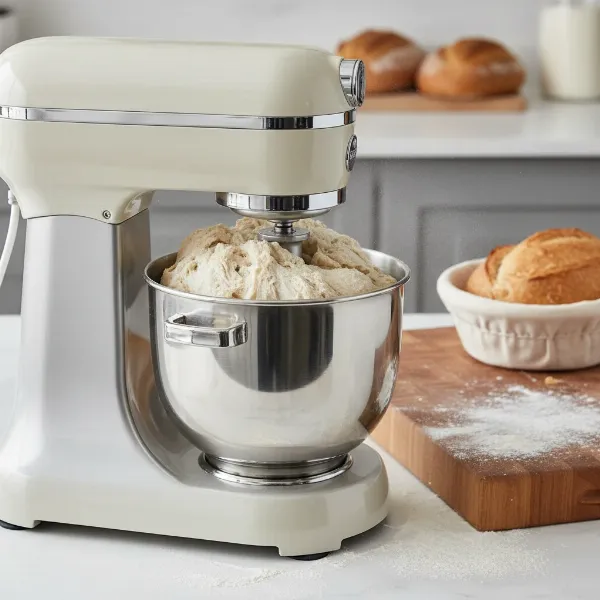
There’s little more disheartening for a home baker than reaching for a trusty stand mixer attachment, only to find it coated in an unappealing grey residue. This dark, powdery film isn’t just unsightly; it can easily transfer to your delicate batters and doughs, turning vibrant colours into dull, greyish concoctions. But don’t despair! This common kitchen conundrum, often seen on burnished aluminum beaters, is usually due to oxidation and is entirely fixable. This guide will walk you through understanding why this grey residue appears, how to effectively clean your valuable attachments, and crucial steps to prevent it from marring your culinary creations ever again.
Understanding Aluminum Beater Oxidation and Its Causes
Aluminum oxidation is a natural chemical process where aluminum reacts with oxygen in the air, forming a protective layer of aluminum oxide. On raw or “burnished” aluminum stand mixer attachments, however, this layer can sometimes become discolored and powdery, resulting in the dreaded grey residue that marks your hands and food. While this residue is generally considered harmless to consume, it’s certainly not desirable in your freshly whipped cream or artisanal bread dough.
The primary culprit behind this frustrating phenomenon is often the dishwasher. The harsh detergents used in dishwashers, particularly those with a high alkaline content, react aggressively with aluminum. This reaction strips away the natural protective layer and accelerates the oxidation process, leading to the dull, pitted appearance and the grey or black residue. Prolonged soaking in a sink, even with milder dish soap, can also contribute to this issue, as can simply allowing the attachments to air dry.
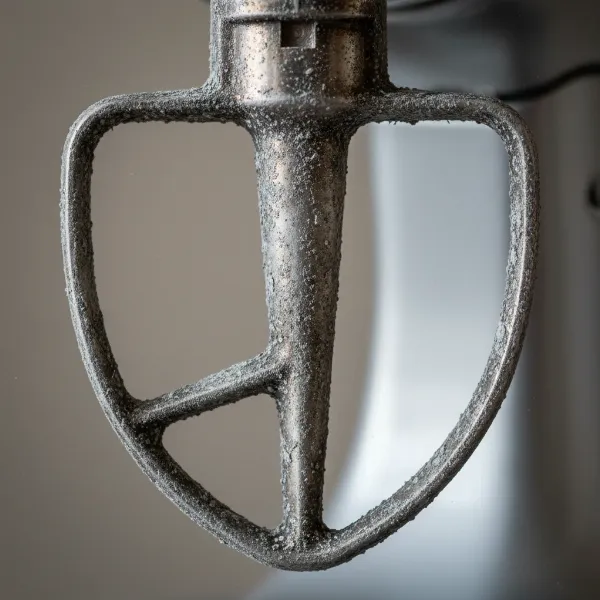 A grey, powdery oxidized aluminum stand mixer beater covered in residue.
Effective Methods to Remove Grey Residue from Aluminum Beaters
Restoring your oxidized aluminum beaters is simpler than you might think, often requiring only common household ingredients. The key is to be gentle and persistent. Before starting any method, always hand-wash the beaters with hot, soapy water and a soft cloth or nylon scrubber to remove any loose debris or food particles.
Method 1: The Vinegar Soak & Boil
Vinegar, a kitchen staple, is remarkably effective at tackling aluminum oxidation due to its acidic properties. This method can work wonders on heavily oxidized attachments.
Ingredients:
- White vinegar
- Water
- A large, non-corrosive pot (stainless steel or ceramic is ideal)
- Tongs
- Nylon scrubber or soft cloth
|
Our Picks for the Best Stand mixer in 2026
As an Amazon Associate I earn from qualifying purchases.
|
||
| Num | Product | Action |
|---|---|---|
| 1 | Kitchen in the box Stand Mixer,3.2Qt Small Electric Food Mixer,6 Speeds Portable Lightweight Kitchen Mixer for Daily Use with Egg Whisk,Dough Hook,Flat Beater (Blue) |

|
| 2 | Cuisinart SMD-50CRM Precision Pro 5.5-Quart Digital Stand Mixer with 12-Speeds, 3 Preprogrammed Food Prep Settings, Mixing Bowl, Chef's Whisk, Flat Mixing Paddle, Dough Hook, and Splash Guard, Cream |
|
| 3 | Kitchen in the box Stand Mixer,3.2Qt Small Electric Food Mixer,6 Speeds Portable Lightweight Kitchen Mixer for Daily Use with Egg Whisk,Dough Hook,Flat Beater (Black) |
|
| 4 | Cuisinart SMD-50GPH Precision Pro 5.5-Quart Digital Stand Mixer with 12-Speeds, 3 Preprogrammed Food Prep Settings, Mixing Bowl, Whisk, Flat Mixing Paddle, Dough Hook, and Splash Guard, Graphite |
|
| 5 | Cuisinart Stand Mixer, 12 Speeds, 5.5-Quart Mixing Bowl, Chef's Whisk, Flat Mixing Paddle, Dough Hook, and Splash Guard with Pour Spout, Silver Lining, SM-50BC, Silver Lining |
|
| 6 | 3-IN-1 Electric Stand Mixer, 6.5QT Bowl 660W 10-Speed Kitchen Mixer, Household Food Mixers include Dough Hook, Beater and Whisk, Bread Cake Mixer for Baking and Most Home Cooks, Red |
|
| 7 | Kitchen in the box Stand Mixer,3.2Qt Mini Electric Food Mixer,6 Speeds Portable Lightweight Kitchen Mixer for Daily Use with Egg Whisk,Dough Hook,Flat Beater (Green) |
|
| 8 | Cuisinart SM-50G Precision Master 5.5-Quart 12-Speed Stand Mixer with Mixing Bowl, Chef's Whisk, Flat Mixing Paddle, Dough Hook, and Splash Guard with Pour Spout, Agave Green, Manual |
|
| 9 | Cuisinart SMD-50BC Precision Pro 5.5-Quart Digital Stand Mixer With 12-Speeds, 3 Preprogrammed Food Prep Settings, Mixing Bowl, Whisk, Flat Mixing Paddle, Dough Hook, And Splash Guard, Silver Lining |
|
| 10 | Cuisinart SPI-50 Spiralizer, White |
|
Step-by-Step Instructions:
- Prepare the solution: In your pot, mix white vinegar and water. A common ratio is 1 part vinegar to 1 part water (e.g., 3 cups vinegar to 3 cups water), or even a 50/50 solution. Ensure there’s enough liquid to fully submerge your attachments.
- Heat the solution: Bring the mixture to a gentle simmer over medium heat. Do not let it boil vigorously.
- Soak the attachments: Carefully place your oxidized aluminum beaters into the simmering solution using tongs. Let them soak for about 15-20 minutes. For heavily oxidized beaters, a soak of up to 30 minutes may be necessary.
- Scrub and rinse: Remove the beaters with tongs. Once cool enough to handle, scrub them thoroughly with a nylon scrubber or soft cloth. You should see the grey residue lifting away. Rinse them under warm water.
- Dry immediately: Crucially, towel-dry the attachments thoroughly and immediately to prevent re-oxidation. Do not let them air dry.
Method 2: Baking Soda Paste
Baking soda offers a mild abrasive quality combined with its gentle alkaline nature, making it another excellent choice for cleaning oxidized aluminum.
Ingredients:
- Baking soda
- Water
- Soft cloth or nylon scrubber
Step-by-Step Instructions:
- Create a paste: In a small bowl, mix a few tablespoons of baking soda with just enough water to form a thick paste.
- Apply the paste: Generously apply the baking soda paste to all affected areas of the aluminum beater.
- Scrub gently: Let the paste sit for 10-15 minutes, then gently scrub the areas with a soft cloth or nylon scrubber. The mild abrasive action of the baking soda will help lift the oxidation.
- Rinse and dry: Rinse the beater thoroughly under warm water to remove all traces of the paste and residue. Immediately towel-dry.
Method 3: Lemon and Salt Scrub for Stubborn Spots
For those particularly stubborn grey spots that resist other methods, the combined power of lemon’s acidity and salt’s abrasiveness can be highly effective.
Ingredients:
- Half a lemon
- Table salt
- Nylon scrubber (optional)
Step-by-Step Instructions:
- Prepare the scrub: Sprinkle a generous amount of table salt onto the cut surface of half a lemon.
- Scrub the spots: Rub the salted lemon directly onto the stubborn oxidized areas of your beater. For added scrubbing power, you can use a nylon scrubber with the lemon and salt.
- Rinse and dry: After scrubbing, rinse the beater completely under warm water and, as always, towel-dry it immediately.
Method 4: Powdered Cleaning Agent (Commercial Solutions)
While natural remedies are often sufficient, some manufacturers, like KitchenAid, also recommend using a powdered cleaning agent specifically designed to remove oxidation. If you opt for a commercial cleaner, always follow the product’s instructions carefully for application, soaking times, and safety precautions. These products are formulated to target tough oxidation and may restore more of the original shine, though some dullness might remain.
Preventing Future Oxidation on Your Stand Mixer Beaters
Prevention is always better than cure, especially when it comes to keeping your stand mixer attachments in pristine condition. Adopting a few simple habits can save you a lot of cleaning effort down the line.
Handwashing is Key
For burnished aluminum attachments, handwashing is non-negotiable. The harsh chemicals and high temperatures of dishwashers are the primary culprits for oxidation. Always wash these attachments by hand in warm, soapy water. Avoid using abrasive scrubbing pads that could scratch the surface and potentially exacerbate future oxidation.
Immediate and Thorough Drying
After handwashing, the most critical step is to dry your aluminum beaters immediately and thoroughly with a soft cloth or towel. Do not allow them to air dry, as residual moisture can encourage oxidation, even without the harshness of dishwasher detergents. Ensure every crevice and surface is completely dry before storing them.
Proper Storage
Store your clean, dry attachments in a cool, dry place. Avoid environments with high humidity, which can promote oxidation over time. Keeping them in a dedicated drawer or an attachment organizer can also protect them from accidental scratches.
Choosing the Right Beaters
If you frequently find yourself battling oxidized beaters or simply prefer the convenience of a dishwasher, consider investing in alternative attachment materials. Many manufacturers offer:
- Coated Beaters: These often have a durable nylon or enamel coating that prevents oxidation and makes them dishwasher safe.
- Stainless Steel Beaters: These are entirely resistant to oxidation, corrosion, and are typically dishwasher safe, making them an excellent, albeit often more expensive, long-term investment. KitchenAid, for example, offers stainless steel whisks as a dishwasher-safe option.
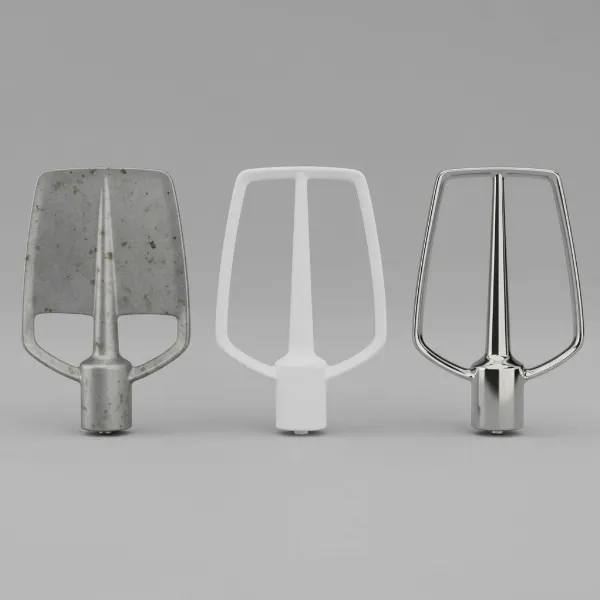 Three different stand mixer beaters: burnished aluminum, coated, and stainless steel.
When to Consider Replacing Your Oxidized Beaters
While cleaning methods can effectively remove the grey residue and restore functionality, there might come a time when replacement is the more practical option. If your beaters are severely pitted, show signs of persistent flaking, or if oxidation returns very quickly even with careful handwashing, it might be time for an upgrade.
Upgrading to coated or stainless steel attachments can eliminate the worry of oxidation entirely, offering peace of mind and convenience. This is especially beneficial if you use your mixer frequently or prefer the ease of dishwasher cleaning for all your kitchen tools.
Buying Guide: Total Experience for Selecting Stand Mixer Beaters
Choosing the right stand mixer beaters, whether as replacements or for your initial purchase, involves understanding your needs and the properties of different materials.
Material Matters:
- Burnished Aluminum: Standard with many mixers, these are excellent for performance but require handwashing and immediate drying to prevent oxidation.
- Coated Aluminum: Often white or grey, these are typically dishwasher-safe and prevent the grey residue, offering convenience. They are durable but the coating can chip over time with heavy use or harsh handling.
- Stainless Steel: The most durable and versatile option, stainless steel beaters are completely rust and oxidation-resistant, dishwasher-safe, and ideal for heavy-duty use. They are generally the most expensive but offer the longest lifespan.
When selecting, consider your baking frequency, the types of mixtures you prepare, and your preferred cleaning method. If dishwasher safety is paramount, opt for coated or stainless steel. For traditionalists who don’t mind handwashing, burnished aluminum offers reliable performance.
Conclusion
The grey residue on your aluminum stand mixer beaters, while annoying, is a common issue caused by oxidation, often from dishwasher exposure or improper drying. Fortunately, with simple and effective methods using household ingredients like vinegar, baking soda, or lemon and salt, you can easily clean your attachments and restore them to their functional best. Remember that the key to long-term care lies in prevention: always hand-wash your burnished aluminum beaters in warm, soapy water and dry them immediately. By following these straightforward steps, you can ensure your stand mixer attachments remain pristine, ready to help you create culinary masterpieces without any unwanted grey surprises. What are your go-to tips for keeping your mixer attachments pristine?
Frequently Asked Questions
Is the grey residue from aluminum beaters harmful if ingested?
No, the grey residue from oxidized aluminum beaters is generally considered non-toxic and not harmful if ingested in small amounts. While it’s not dangerous, it can certainly make your food look unappetizing.
Can I put my KitchenAid aluminum beaters in the dishwasher?
It is strongly advised not to put burnished aluminum KitchenAid beaters in the dishwasher. The harsh detergents and high temperatures can cause them to oxidize, leading to the grey residue.
What is the best way to prevent aluminum beaters from oxidizing?
The best prevention strategy is to hand-wash your aluminum beaters immediately after use in warm, soapy water, and then thoroughly towel-dry them right away. Avoid letting them soak or air dry.
How often should I clean my mixer attachments?
You should clean your mixer attachments, especially burnished aluminum ones, immediately after every single use to prevent food residue buildup and reduce the risk of oxidation. Regular, prompt cleaning is key.
Are all stand mixer attachments made of aluminum?
No, not all Stand Mixer attachments are made of aluminum. While burnished aluminum is common, many manufacturers also offer coated aluminum attachments (which are often dishwasher safe) and durable stainless steel attachments, which are typically oxidation-resistant and dishwasher safe.