Let’s talk about one of the most exciting moments in a home baker’s journey: unboxing a new stand mixer. It feels like you’ve just hired a tireless, professional assistant for your kitchen. But then, the big question hits, especially when you’re staring down a dense loaf of sourdough or a double batch of cookie dough: How To Know If Your Mixer Is Powerful Enough to handle the job? My first stand mixer, a well-meaning but ultimately underpowered machine, taught me this lesson the hard way—by rattling, whining, and nearly walking itself off the counter.
That experience is exactly why we’re here today. We’re going to move beyond the marketing hype and the confusing numbers on the box. I’ll give you the real, hands-on tests and professional insights to determine if your current kitchen appliance is a true workhorse or if it’s time for an upgrade. To get a broader perspective on what to look for, you might want to explore our guide on how to choose a stand mixer, as many of those principles apply here.
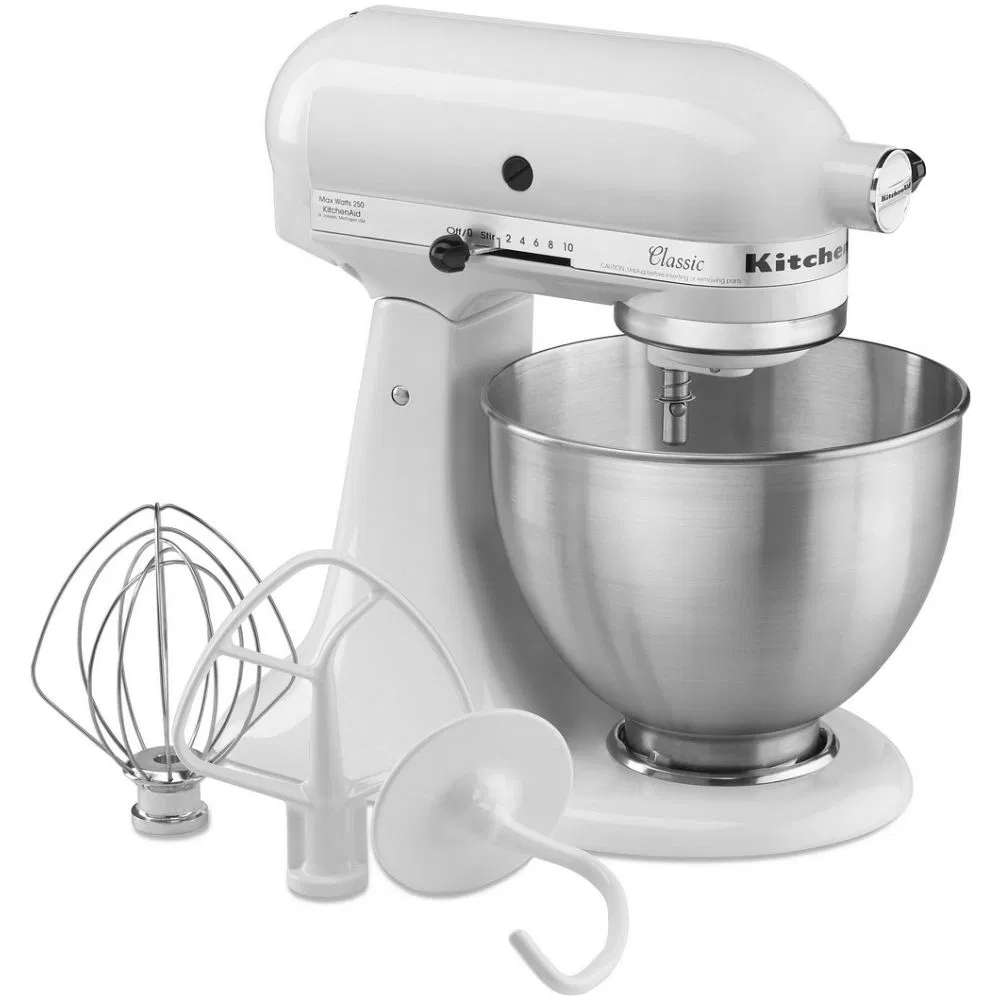
Wattage Isn’t the Whole Story: The Biggest Myth About Mixer Power
The first thing most people look at is the wattage. 325W, 500W, 1000W… it seems simple, right? More watts must equal more power. Well, not exactly. This is probably the single most misunderstood specification in the world of kitchen appliances.
Think of it like this: wattage measures the power the motor draws from the wall, not the power it actually delivers to the bowl. It’s like judging a car’s strength solely by how much gas it uses. A fuel-guzzling, inefficient engine isn’t necessarily more powerful than a modern, efficient one.
The Real Difference Maker: AC vs. DC Motors
The true indicator of mixing muscle lies in the motor’s type and efficiency.
- AC (Alternating Current) Motors: These are common in many tilt-head models, like the classic KitchenAid Artisan. They get the job done for most tasks but can sometimes lose torque and generate more heat under heavy loads. They often rely on higher wattage ratings to produce their power.
- DC (Direct Current) Motors: These are the unsung heroes of the mixer world, often found in higher-end, bowl-lift models. DC motors are significantly more efficient. They deliver consistent, high torque even at low speeds and run quieter and cooler. This means a 300W DC motor can often outperform a 500W AC motor, especially when kneading dense dough.
As renowned pastry chef John Ackerman puts it, “I’ll take a high-torque DC motor over a high-wattage AC motor any day. For bread, you need that steady, relentless turning power that doesn’t falter. That’s torque, not just raw wattage.”
The Real-World Stress Tests: How to Know If Your Mixer Is Powerful Enough
Forget the spec sheet for a moment. The best way to gauge your mixer’s power is to see how it behaves under pressure. Here are the tried-and-true tests I use.
The Ultimate Challenge: The Bread Dough Test
This is the number one test for mixer strength. A stiff, low-hydration bread dough (like a bagel or whole wheat loaf) will separate the contenders from the pretenders.
A powerful mixer will:
- Knead the dough smoothly with its dough hook.
- Maintain a consistent speed without the motor sound changing pitch dramatically.
- Remain relatively stable on the countertop. The head might have a tiny bit of movement, but it won’t shake violently.
- The top of the motor housing will get warm, but not uncomfortably hot to the touch.
An underpowered mixer will:
- Struggle, strain, and sound like it’s in pain.
- Slow down or stall completely as the dough comes together.
- Shake, rattle, and “walk” across the counter. This is a sign the motor is transferring its struggle to the entire machine body.
- Overheat, sometimes even producing a faint electrical smell. If this happens, stop immediately.
The Cold Butter Challenge
Have you ever tried to cream cold butter and sugar for cookies? It’s a tough job. A weak mixer will struggle to incorporate the butter, often causing the paddle to jump and the motor to whine. A powerful machine will methodically work through the cold butter, breaking it down and creaming it effectively without a significant drop in speed.
The Large Batch Test
Another key indicator is capacity. A mixer might be fine with a single batch of chocolate chip cookies, but how does it fare with a double or triple batch? If you find yourself frequently making large quantities for bake sales, family gatherings, or holidays, knowing you have the right machine is critical. This is a common challenge for those looking for the best stand mixer for large batches, as motor power and bowl capacity go hand-in-hand. An underpowered mixer will simply choke on the volume, failing to mix the ingredients at the bottom of the bowl and straining its motor.
Key Features That Signal Power and Durability
When you’re assessing a mixer, look for these signs of robust engineering. These are the features that allow a motor’s power to be transferred effectively into mixing action.
- All-Metal Gears: This is non-negotiable for serious bakers. Mixers with plastic or nylon gears will eventually strip and fail under the strain of heavy doughs. All-metal gearing ensures longevity and reliable power transmission from the motor to the attachment.
- Heavy, Stable Construction: Power creates force. A lightweight, plastic-bodied machine simply can’t contain the torque needed for heavy tasks and will vibrate excessively. A heavy, die-cast metal body provides the stability needed to keep the machine planted on your counter.
- Bowl-Lift vs. Tilt-Head Design: While there are excellent tilt-head models, bowl-lift designs are inherently more stable and are generally built for heavier, more frequent use. The fixed head eliminates a potential weak point and provides a more direct transfer of power.
- Planetary Mixing Action: This is standard on virtually all modern stand mixers, but it’s a cornerstone of effective mixing. The beater spins on its own axis while also orbiting around the bowl, ensuring all ingredients are thoroughly incorporated without straining one part of the motor. It is essential when you decide to buy stand mixer with attachments, as this action powers them all.
What To Do If Your Mixer Is Struggling
So, you’ve run the tests and your mixer is showing signs of weakness. Does that mean you need to immediately run out and buy a new one? Not necessarily. Here are a few things you can do to help your current machine.
- Work in Smaller Batches: This is the easiest fix. If your mixer struggles with a recipe for two loaves of bread, halve it and make one loaf at a time.
- Don’t Push Past Speed 2 for Dough: Most manufacturers, including KitchenAid, recommend never going above speed 2 when using the dough hook. Higher speeds don’t knead faster; they just put immense strain on the motor.
- Bring Ingredients to Room Temperature: Help your mixer out by softening butter and bringing eggs and milk to room temperature before mixing. This reduces the initial resistance.
If you consistently make heavy doughs or large batches and find these workarounds are holding you back, it may be time to consider an upgrade. You don’t always have to break the bank; there are powerful and affordable options out there. For many home bakers, it’s possible to buy KitchenAid mixer under 300 that will offer a significant power boost over a basic model.
Frequently Asked Questions (FAQ)
What is a good wattage for a stand mixer?
While not the only factor, for general baking, look for at least 300-325 watts in an AC motor mixer. For a more efficient DC motor mixer, even a 250-watt model can be surprisingly powerful. Focus more on motor type and all-metal construction.
Can a less powerful mixer still knead bread dough?
Yes, but with limitations. It will handle softer, higher-hydration doughs (like brioche or focaccia) better than dense, low-hydration doughs (like bagels). Always use speed 2 and consider making smaller batches to avoid burning out the motor.
How do I know if my mixer motor is burning out?
The key signs are a strong, hot electrical smell, the motor housing becoming too hot to touch, a grinding or high-pitched whining sound you haven’t heard before, and the mixer failing to maintain speed or stalling on tasks it used to handle.
Does the bowl size affect how powerful a mixer needs to be?
Absolutely. A larger 6 or 7-quart bowl is designed to hold bigger batches, which are heavier and put more strain on the motor. Therefore, mixers with larger bowls almost always have more powerful motors to handle the intended capacity.
Is it normal for my stand mixer to get warm during use?
Yes, it is perfectly normal for the motor housing to become warm to the touch, especially after a long task like kneading bread for 10 minutes. However, it should not become alarmingly hot. If it’s too hot to comfortably keep your hand on it, give the machine a rest.
The Final Verdict
Ultimately, the power you need depends entirely on what you plan to make. If you’re a casual baker who whips up the occasional batch of cookies or a simple cake, a standard tilt-head model will serve you beautifully. But if you dream of artisan sourdough, dense rye breads, or double batches of holiday baking, you need a machine that won’t back down from a fight.
By performing the dough test, listening to the motor, and understanding the specs that really matter—like motor type and gear construction—you’ll have all the confidence you need in how to know if your mixer is powerful enough to bring your culinary creations to life. It’s not just an appliance; it’s a long-term investment in your passion for baking.