Your stand mixer is the undisputed workhorse of your kitchen. It’s the loyal partner that has seen you through countless birthday cakes, holiday cookies, and ambitious sourdough experiments. But what powers this culinary hero? The motor. Learning How To Maintain Stand Mixer Motor performance isn’t just a technical task; it’s the secret to ensuring your beloved kitchen appliance has a long, productive life. Neglecting it is like asking a marathon runner to never take a water break—eventually, it’s going to burn out. Are you ready to give your mixer the TLC it truly deserves?
Think of the motor as the heart of your machine. It generates the torque needed to cream butter and sugar into a fluffy cloud or knead a dense bread dough into a smooth, elastic masterpiece. Just like any high-performance engine, it requires a little attention to keep running smoothly. For those looking to keep their entire machine in pristine condition, understanding eco friendly cleaning for stand mixer is a great complementary practice for holistic appliance care.
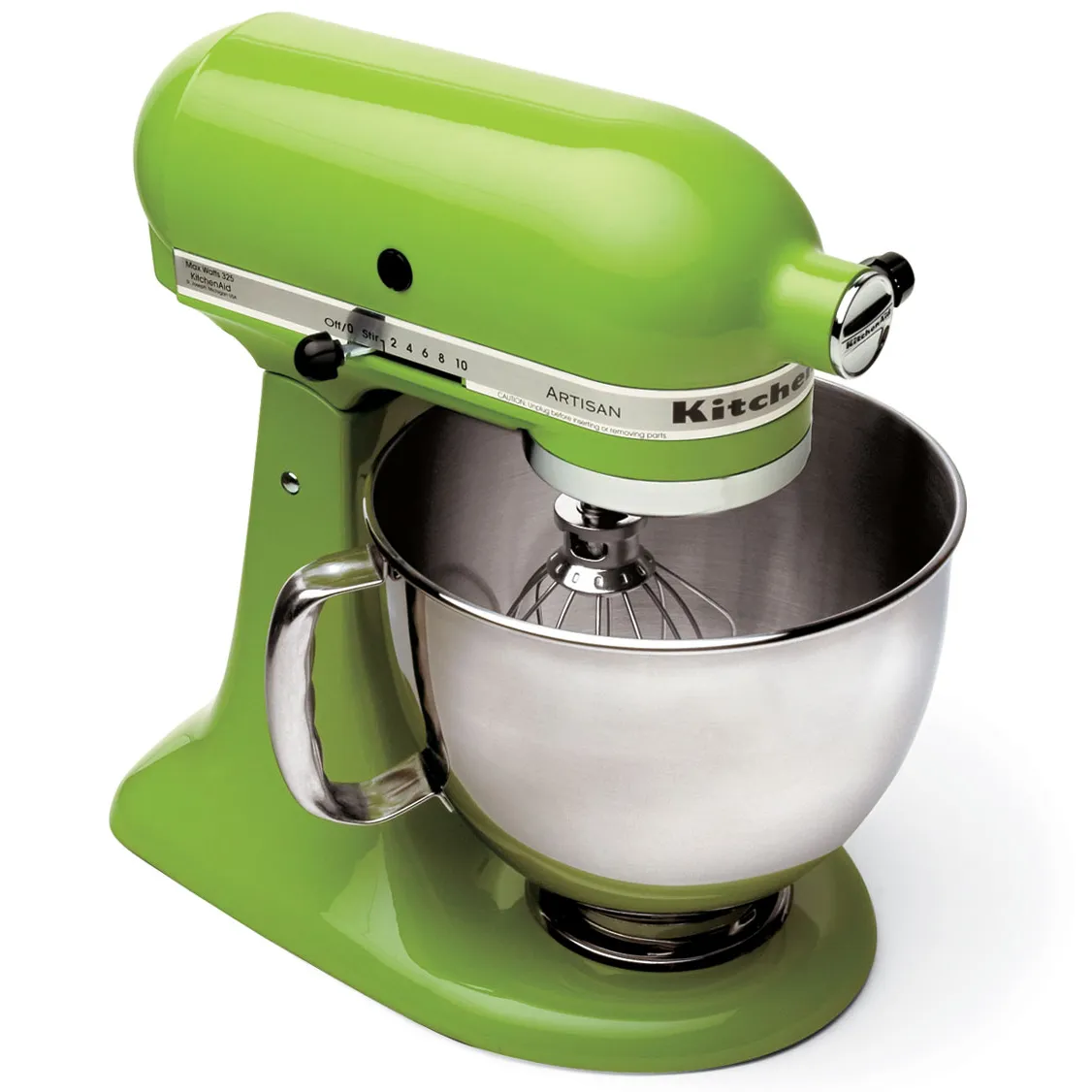
Why Bother with Motor Maintenance?
This is a fair question. After all, you can’t exactly see the motor. It’s tucked away inside that beautiful, sturdy housing. So, why worry about it?
The answer is simple: prevention and performance. Regular motor maintenance helps you:
- Avoid Costly Repairs: A burnt-out motor is often one of the most expensive parts to replace. A few simple maintenance steps can save you hundreds of dollars and a trip to the repair shop.
- Ensure Consistent Power: A well-maintained motor delivers consistent torque. This means no more struggling or stuttering when tackling a heavy batch of whole wheat dough. Your mixer will perform as beautifully on its tenth anniversary as it did on day one.
- Extend the Appliance’s Lifespan: Stand mixers, especially from reputable brands like KitchenAid or Kenwood, are built to last for decades. Proper motor care is the key to unlocking that longevity. My first stand mixer is still going strong after 15 years, largely because I learned these lessons early on.
- Operate Safely: An overheating motor can be a potential safety hazard. Keeping it clean and running efficiently minimizes this risk.
Getting to Know Your Stand Mixer’s Engine
Before we dive into the “how-to,” it helps to know what you’re working with. Most modern stand mixers use one of two types of motors:
- AC (Alternating Current) Motors: Often found in classic and heavy-duty models, these are powerful and reliable. They are the traditional workhorses known for their durability.
- DC (Direct Current) Motors: Typically found in newer, often more premium models. DC motors are generally quieter, more energy-efficient, and can provide more torque at lower speeds, giving you finer control.
Regardless of the type, the principles of maintenance are largely the same. It’s all about reducing strain and keeping the internal components in good shape.
Your Step-by-Step Guide: How to Maintain Stand Mixer Motor Health
Maintaining your mixer’s motor doesn’t require an engineering degree. It’s about forming good habits and knowing what to look out for. Here are the essential steps we recommend at Stand Mixer Pro.
1. Don’t Push It Past Its Limits
This is the most critical and easiest rule to follow. Every stand mixer has a capacity limit, usually detailed in the user manual. Pushing it to knead a double batch of stiff bagel dough when it’s designed for light cake batters is a recipe for disaster.
- Respect the “Flour Power”: Pay attention to the maximum flour capacity recommended by the manufacturer.
- Listen Closely: If you hear the motor straining, whining, or making a high-pitched sound, it’s crying for help! Stop the machine immediately and reduce the batch size.
- Give It a Break: When kneading dense doughs for an extended period (more than 8-10 minutes), it’s wise to give the motor a short break to cool down. This is especially important for smaller, tilt-head models.
According to kitchen appliance engineer David Chen, “The number one cause of premature motor failure we see is consistent overloading. Users try to make their home mixer do the job of a commercial one. Respecting the machine’s intended capacity is 90% of the battle.”
For serious bakers who frequently work with large, heavy doughs, investing in a machine built for that purpose is crucial. A deeper look into the features of a stand mixer for professional chefs can provide valuable insights into what makes a machine truly heavy-duty.
2. Keep the Vents Clean and Clear
Your stand mixer’s motor generates heat during operation. It dissipates this heat through ventilation slots, which are usually located on the back or bottom of the motor housing.
- Locate the Vents: Unplug your mixer and find the air vents.
- Clear Debris: Use a soft brush (like an old toothbrush or a pastry brush) to gently clear away any flour dust or debris that might be clogging them.
- Use Canned Air: For a deeper clean, a quick blast of compressed air can dislodge any stubborn particles from inside the vents. Do this in a well-ventilated area.
Think of it this way: a clogged vent is like forcing your motor to work out while wearing a winter coat. It’s going to overheat much faster.
3. The Occasional Deep Clean and Grease Check
This is a more advanced step for those comfortable with some light DIY.
Over many years of use, the grease that lubricates the internal gears of your mixer can break down or separate. When this happens, the gears have to work harder, putting more strain on the motor. Telltale signs include an oil leak from the motor head or a grinding, louder-than-usual operating noise.
Regreasing is a task you might only need to do once every 5-10 years, depending on use. It involves opening the motor housing, cleaning out the old grease, and applying fresh, food-grade gear grease. While there are many online tutorials, we recommend consulting your manufacturer’s guidelines or a professional if you’re not confident. The right maintenance keeps the entire machine looking and working its best, which is a principle similar to understanding how to polish stainless steel stand mixer bodies to maintain their showroom shine.
4. Carbon Brush Inspection (For Older AC Models)
Some AC motors use small components called carbon brushes to conduct electricity. Over time, these can wear down. If your mixer suddenly stops working or the motor starts sparking, worn-out brushes could be the culprit. Replacing them is a relatively inexpensive fix, but again, it’s a task that may be best left to a qualified technician unless you have experience with appliance repair.
Common Mistakes That Damage a Stand Mixer Motor
Sometimes, knowing what not to do is just as important. Here are some common habits to avoid:
- Starting on High Speed: Always start your mixer on the lowest speed (“Stir”) and gradually increase it. Throwing it straight into high gear, especially with heavy ingredients, puts immense initial strain on the motor.
- Using the Wrong Attachment: Never use the dough hook for a light batter or the whisk for a thick dough. The attachments are designed to work with specific motor speeds and loads.
- Ignoring Warning Signs: A burning smell, excessive heat from the motor head, or strange noises are not features. They are warnings. Stop immediately and troubleshoot the issue.
- Improper Storage: Store your mixer in a dry, clean place. Storing it in a damp garage or basement can lead to internal corrosion over time.
As technology evolves, some maintenance aspects are changing. For those interested in the latest innovations, understanding how a smart stand mixer for connected kitchen might integrate self-diagnostics or maintenance reminders is a fascinating glimpse into the future of kitchen appliances.
Frequently Asked Questions (FAQ)
Q1: How often should I check my stand mixer’s motor?
A: You don’t need a scheduled motor “check-up.” Instead, practice preventative care during every use. Keep the vents clean, listen for unusual sounds, and don’t overload it. A visual inspection for oil leaks or clogged vents every few months is sufficient.
Q2: What’s that black oil leaking from my stand mixer?
A: That is likely the gear grease separating. It’s a sign that the grease is old and needs to be replaced. While not an immediate emergency, you should plan to have the mixer regreased to prevent long-term gear and motor damage.
Q3: My stand mixer motor gets very hot. Is this normal?
A: It’s normal for the motor housing to get warm during prolonged use, especially when kneading dough. However, if it becomes too hot to comfortably touch, you should stop the machine and let it cool for at least 20-30 minutes. This indicates the motor is being overworked.
Q4: Can I fix a burned-out stand mixer motor myself?
A: Replacing a motor is a complex task that typically requires professional service. It involves significant disassembly and electrical work. For safety and to ensure the repair is done correctly, we recommend contacting an authorized service center.
Q5: Will using my stand mixer for non-baking tasks damage the motor?
A: Not at all! Attachments for shredding chicken, making pasta, or grinding meat are designed to work with the mixer’s motor. As long as you follow the attachment’s instructions and use the recommended speed settings, you are not putting any undue strain on the motor.
Your Partner for the Long Haul
Your stand mixer is more than just an appliance; it’s an investment in your creativity and a cornerstone of your kitchen. By learning how to maintain stand mixer motor health, you are protecting that investment. It doesn’t take much—just a bit of mindfulness, an occasional cleaning, and a commitment to not pushing your machine beyond its capabilities. Treat it with respect, and it will reward you with decades of flawless performance, powering countless delicious memories. What’s the first thing you’ll bake with your perfectly maintained mixer?