There’s something almost magical about the smell of freshly baked bread wafting through your home. It’s comforting, wholesome, and incredibly rewarding. For years, the main barrier for many home bakers was the physically demanding process of kneading. But what if I told you that perfect, artisan-quality loaf is just a few simple steps away? Learning how to make bread with a stand mixer is a complete game-changer, turning an arm-aching chore into a hands-off delight. Ready to unlock your kitchen’s full potential? Let’s dive in.
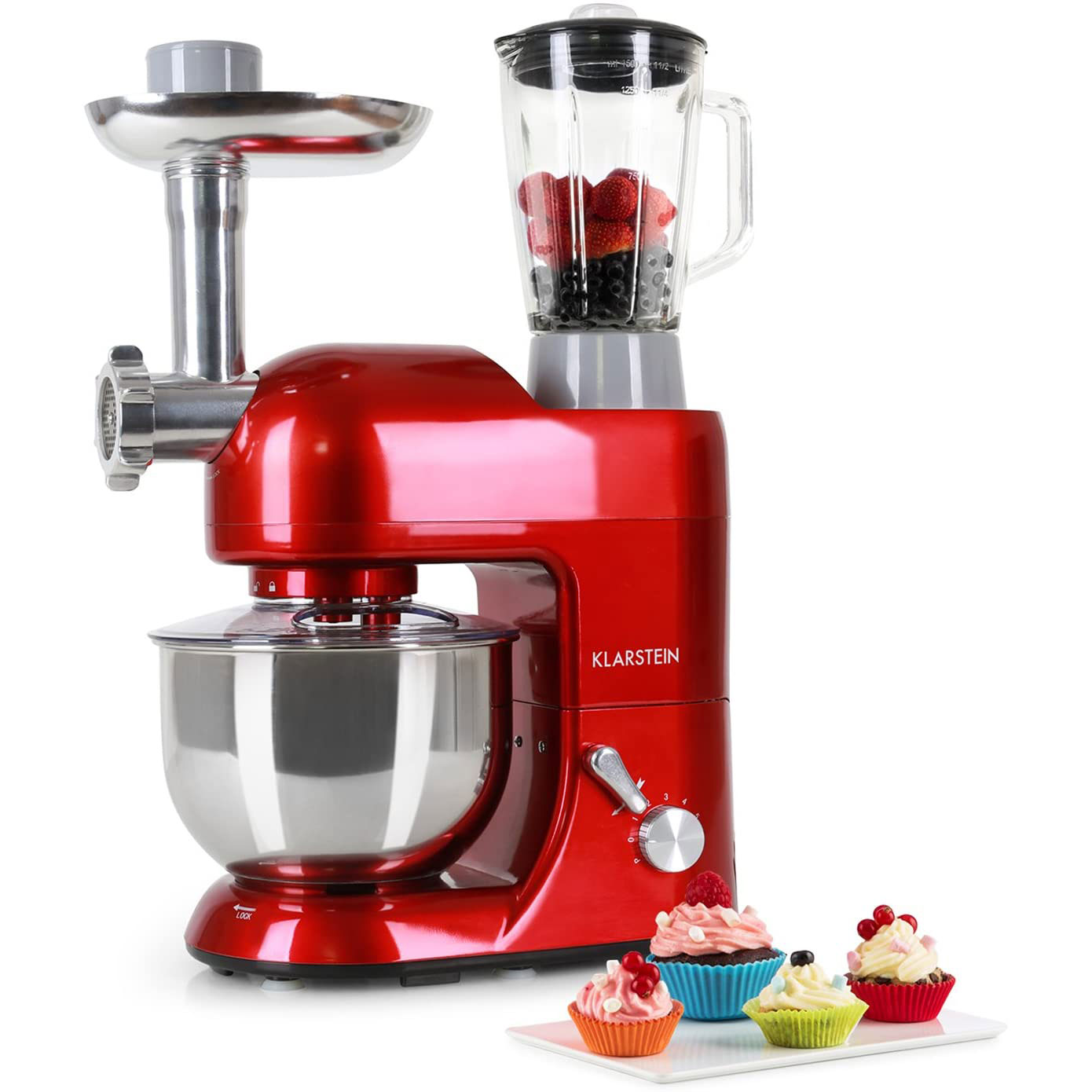
Your stand mixer is more than just a pretty appliance on your countertop; it’s a powerhouse designed for tasks just like this. While its abilities are vast, and you might wonder can you use a stand mixer for everything, making bread is where it truly shines. It takes the hard labor out of developing gluten, giving you consistent, professional results every single time.
Why Use a Stand Mixer for Bread Dough?
Before we get into the nitty-gritty, let’s talk about the why. Why pull out this piece of equipment instead of just using your hands? The answer is simple: efficiency, consistency, and power.
- Consistent Kneading: A stand mixer, with its powerful motor and dough hook, kneads dough more evenly and thoroughly than most people can by hand. This consistent action develops the gluten structure perfectly, which is the key to a light, airy crumb and a chewy crust.
- Saves Time and Energy: Hand-kneading can take anywhere from 10 to 20 minutes of continuous, strenuous work. A stand mixer does the same job in about 8 to 12 minutes while you’re free to measure out other ingredients or, you know, sip your coffee.
- Handles Sticky Doughs with Ease: High-hydration doughs like ciabatta can be a nightmare to knead by hand. They stick to everything! A stand mixer contains the mess and works the sticky dough into a smooth, elastic ball without you having to coat your entire kitchen in flour.
- Prevents Overheating the Dough: The warmth from your hands can slightly heat the dough during manual kneading, which can sometimes affect the yeast’s activity. A stand mixer keeps the dough at a more stable temperature.
Before You Begin: Understanding Your Machine’s Tools
Your stand mixer came with a few key attachments. For bread making, we’re primarily focused on one, but it’s good to know the whole team. It’s also crucial to know the basics of your machine, like understanding how to attach a mixer bowl, to ensure safe and effective operation.
The Dough Hook: Your Best Friend for Kneading
This C-shaped or spiral hook is specifically engineered to mimic the motion of hand-kneading. It pushes, folds, and stretches the dough against the sides of the bowl. This action efficiently develops the gluten strands that give bread its structure. I remember my first stand mixer; the dough hook felt like a magical tool that did all the hard work for me. It’s the undisputed star of the show when you’re learning how to make bread with a stand mixer.
The Mixing Bowl and Speeds
Most stand mixers come with a stainless steel bowl, which is perfect for bread making. The size of your bowl (typically 4.5 to 7 quarts) will determine the maximum size of the loaf you can make. As for speeds, bread making is a low-and-slow affair. You’ll almost always use the lowest two settings.
According to renowned pastry chef Isabelle Dubois, “Never rush the kneading process. Speed 2 on most high-quality stand mixers is the sweet spot. It provides enough force to develop gluten without overworking the dough or straining the motor.”
Step-by-Step Guide on How to Make Bread with a Stand Mixer
Alright, let’s get our hands (well, mostly the mixer’s hook) dirty! This is a basic, versatile recipe framework that you can adapt.
Ingredients You’ll Need:
- Warm water (about 105-115°F or 40-46°C)
- Active dry yeast
- A pinch of sugar (to feed the yeast)
- All-purpose or bread flour
- Salt
- Olive oil or melted butter
Step 1: Activate the Yeast (Blooming)
First things first, let’s wake up the yeast. In your stand mixer’s bowl, combine the warm water, yeast, and sugar. Give it a gentle whisk and let it sit for 5-10 minutes. You’re looking for it to become foamy and bubbly. If it doesn’t, your yeast might be old, and it’s best to start over.
Step 2: Combine the Ingredients
Attach the bowl to your stand mixer and fit it with the dough hook attachment. Add the flour, salt, and oil to the yeast mixture. Turn the mixer to its lowest speed (usually “Stir” or 1) and mix until the ingredients come together to form a shaggy, rough ball of dough. This should only take about a minute.
Step 3: The Kneading Process
Now for the magic. Increase the speed to the next level up (usually speed 2). Set a timer for 8-10 minutes and let the machine work. You’ll see the dough transform from a sticky mess into a smooth, elastic ball that pulls away from the sides of the bowl. The machine might rock a little—that’s normal, especially with a heavy dough. Just make sure it’s on a sturdy surface. This steady, low speed is crucial. To understand more about why starting slow is important for many recipes, exploring what is the slowest speed for various tasks can provide deeper insight.
Step 4: The Windowpane Test
How do you know when it’s done? The “windowpane test” is the gold standard. Stop the mixer, pull off a small piece of dough, and gently stretch it between your fingers. If you can stretch it thin enough to see light through it without it tearing, the gluten is perfectly developed. If it tears easily, knead for another 1-2 minutes and test again.
Step 5: First Rise (Bulk Fermentation)
Once kneaded, remove the dough from the bowl, form it into a smooth ball, and place it in a lightly oiled bowl. Cover it with plastic wrap or a damp towel and let it rise in a warm, draft-free spot for 1-2 hours, or until it has doubled in size.
Step 6: Shaping and Second Rise (Proofing)
Gently punch down the risen dough to release the air. Place it on a lightly floured surface and shape it into your desired loaf form (a round boule, a rectangular sandwich loaf, etc.). Place it on your baking sheet or in a loaf pan, cover it again, and let it rise for another 30-60 minutes, until it’s visibly puffy.
Step 7: Baking to Perfection
Preheat your oven according to your recipe’s instructions (usually around 400-450°F or 200-230°C). Bake for 25-35 minutes, or until the crust is deep golden brown and the internal temperature reaches about 190-200°F (88-93°C). Let it cool completely on a wire rack before slicing. This is the hardest part, I know!
Common Mistakes to Avoid
Learning how to make bread with a stand mixer is straightforward, but a few common slip-ups can happen.
- Using the Wrong Speed: Kneading on a high speed is tempting, but it can damage your mixer’s motor and create too much friction, overheating your dough. Stick to speed 2.
- Adding Too Much Flour: Your dough might look sticky at first. Resist the urge to dump in more flour! Let the mixer knead for a few minutes; it will often come together on its own. Too much flour results in a dense, dry loaf.
- Ignoring Your Machine’s Capacity: Don’t try to make a double batch of a heavy dough in a smaller mixer. Check your user manual for its maximum flour capacity to avoid straining the motor. This versatile dough hook isn’t just for bread; you’ll find similar principles apply when you want to how to make pasta dough stand mixer, where managing dough consistency is equally important.
The versatility of this appliance extends beyond just dough. Once you’ve mastered bread, you might be curious about how to make ice cream with stand mixer attachment, showing just how much one machine can do.
How Do I Clean My Stand Mixer After Making Bread?
Cleaning up is easy. Most stainless steel bowls and dough hooks are dishwasher safe (but always check your manual!). For the machine itself, simply wipe down the body and motor head with a damp cloth to remove any stray flour dust. Never submerge the main unit in water.
Frequently Asked Questions (FAQ)
Q1: What is the best stand mixer speed for kneading dough?
The best speed for kneading bread dough in a stand mixer is almost always the second lowest setting, typically labeled as “2”. This speed is powerful enough to develop gluten effectively without straining the motor or overheating the dough.
Q2: Can my stand mixer overheat while making bread dough?
Yes, it’s possible. If you knead a very large or stiff dough for an extended period, the motor can get hot. If the top of the mixer feels excessively warm to the touch, it’s wise to give it a 10-15 minute break to cool down.
Q3: How long should I knead dough in a stand mixer?
For most standard bread recipes, kneading for 8 to 12 minutes on speed 2 is sufficient. The best indicator is the windowpane test, not just the clock.
Q4: Can you use a stand mixer to make sourdough bread?
Absolutely! A stand mixer is fantastic for developing the gluten in a sourdough starter and dough. The process is the same; just follow your specific sourdough recipe’s instructions for mixing and kneading times.
Q5: Is it possible to over-knead dough with this kitchen appliance?
Yes, though it’s less common than under-kneading. Over-kneaded dough will feel tough and dense and may break apart easily. It will lose its elasticity. This is why checking the dough after 8 minutes is a good practice.
Your Baking Journey Starts Here
There you have it—a complete guide on how to make bread with a stand mixer. This incredible kitchen appliance doesn’t just simplify the process; it elevates it, giving you the power to create bakery-worthy bread with minimal effort. It’s an investment in countless delicious loaves, happy mornings, and the pride of saying, “I baked this myself.” So go ahead, dust off that dough hook, and let the magic begin. What will you bake first?