Welcome to the heart of your kitchen’s creative engine! If you’ve just unboxed your shiny new stand mixer, you’ve probably lined up its three main attachments: the whisk, the dough hook, and that intriguing, K-shaped tool. You’re likely wondering exactly How To Use A Flat Beater. Let me tell you, you’re about to unlock the true workhorse of your machine. My first stand mixer completely changed my baking game, and it was the flat beater that I reached for 80% of the time. It’s the unsung hero, the versatile powerhouse that will take your creations from good to absolutely glorious.
The flat beater, often called a paddle attachment, is designed for a specific kind of magic: thorough mixing without whipping in too much air. While the whisk is for aerating and the dough hook is for kneading, the flat beater is for combining. It expertly pulls ingredients from the sides of the bowl and folds them into the center, ensuring a consistent, homogenous mixture every time. For those curious about the full range of your machine, understanding when you can you use a stand mixer for everything is key to mastering your kitchen.
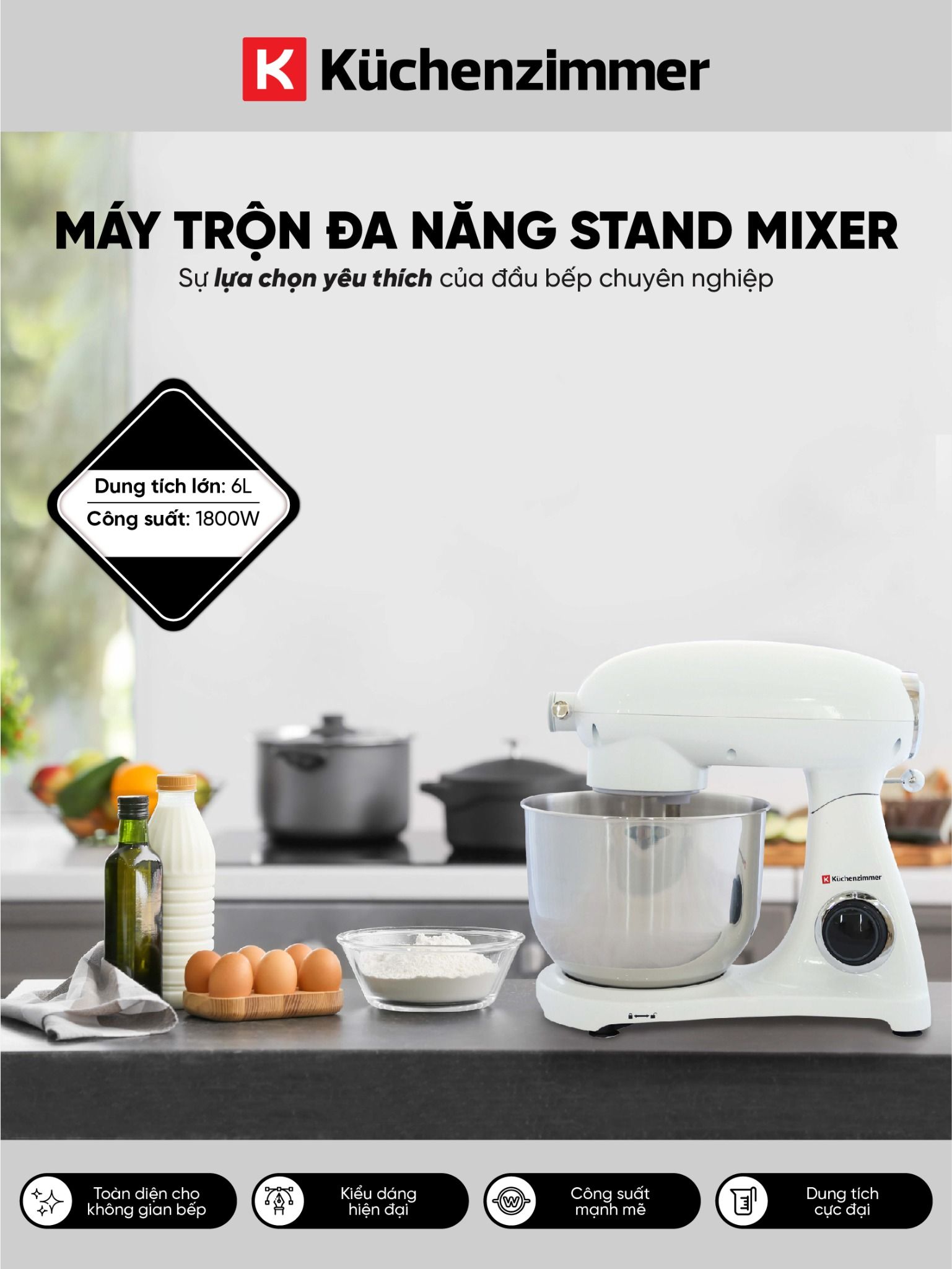
What Exactly is a Flat Beater?
Think of the flat beater as the most efficient, powerful spatula or wooden spoon you’ve ever owned. Its design, typically a frame with one or two crossbars (resembling the letter K or A), is engineered to cover the maximum surface area of the mixing bowl. As it moves with the mixer’s signature planetary mixing action, it simultaneously scrapes, folds, and combines ingredients.
This action is perfect for “heavy” mixing tasks where you need to break down fats like butter, blend them with sugar, and incorporate dry ingredients without developing too much gluten or adding excess air. It’s all about control and combination.
According to professional pastry chef Clara Bennett, “The flat beater is the foundation of most pastry work. It’s responsible for the creaming process, which creates the essential air pockets in butter that give cookies and cakes their tender crumb. Mastering this one attachment is mastering the basics of baking.”
When Should You Use a Flat Beater? The Definitive List
So, when do you call this champion off the bench? The answer is: more often than you think! The flat beater is your go-to for a huge range of recipes, from sweet to savory.
Creaming Butter and Sugar
This is the flat beater’s signature move. When a recipe calls for you to “cream butter and sugar until light and fluffy,” this is the tool for the job. It expertly smashes the butter while incorporating the sugar crystals, creating thousands of tiny air pockets that will later expand in the oven, giving your cakes and cookies a light, tender texture.
Mixing Cake Batters and Brownies
From a simple vanilla sponge to a rich, fudgy brownie, the flat beater is your best friend. It combines wet and dry ingredients quickly and efficiently. Its job is to mix just until combined, preventing the over-development of gluten which can lead to tough, rubbery cakes. This same principle applies when you want to learn how to use stand mixer for pancakes for a lump-free batter.
Making Perfect Cookie Dough
The flat beater is the undisputed king of cookie dough. It handles the initial creaming of butter and sugar, seamlessly incorporates eggs and vanilla, and then powerfully mixes in the flour and additions like chocolate chips or nuts without overworking the dough. It has the strength to handle even the stiffest of cookie doughs.
Surprising Savory Uses
Don’t just limit this tool to baking! The flat beater has some incredible savory applications:
- Shredding Cooked Meat: Place warm, cooked chicken breasts, pork shoulder, or beef in the bowl, and on a low speed, the flat beater will shred it perfectly for tacos, sandwiches, or salads in under a minute. It’s a game-changer!
- Mashing Potatoes: For the creamiest, smoothest mashed potatoes of your life, use the flat beater. After boiling and draining your potatoes, add them to the bowl with butter and milk. The beater will mash them to perfection without making them gluey, a common problem with food processors.
- Making Meatloaf or Meatballs: Combine ground meat, breadcrumbs, eggs, and seasonings effortlessly without getting your hands dirty. The flat beater ensures all the ingredients are evenly distributed for a consistent texture.
|
Our Picks for the Best Stand Mixer in 2026
As an Amazon Associate, we earn from qualifying purchases.
|
||
| Num | Product | Action |
|---|---|---|
| 1 | 6-in-1 Multifunctional Stand Mixer, 5.3Qt 660W, 6-Speed Tilt-head, Electric Kitchen Mixer with Stainless Steel Bowl,Meat Grinder, Juice Blender (Black) |

|
| 2 | Kitchen in the box Stand Mixer, 900W 8.5QT Kitchen Electric Mixer, 6-Speed Large Capacity Food Mixer for Home Cooks with Egg Whisk, Dough Hook & Flat Beater (Black) |
|
| 3 | Kitchen in the box Stand Mixer,3.2Qt Small Electric Food Mixer,6 Speeds Portable Lightweight Kitchen Mixer for Daily Use with Egg Whisk,Dough Hook,Flat Beater (Blue) |
|
| 4 | DASH Tilt-Head 3.5qt Stand Mixer 12 Speeds with Paddle, Dough Hook, and Whisk Attaachments - Cream |
|
| 5 | KitchenAid 7 Quart Bowl-Lift Stand Mixer |
|
| 6 | Instant Pot Stand Mixer Pro,600W 10-Speed Electric Mixer with Digital Interface,7.4-Qt Stainless Steel Bowl,From the Makers of Instant Pot,Dishwasher Safe Whisk,Dough Hook and Mixing Paddle,Silver |
|
| 7 | Stand Mixer | Powerful 660W Motor | Large 6.5 Qt. Bowl | 6-Speed Control | Dishwasher-Safe Attachments | Tilt-Head Design | Perfect for Home Bakers (Red) |
|
| 8 | COOKLEE 6-IN-1 Stand Mixer, 8.5 Qt. Multifunctional Electric Kitchen Mixer with Beater, Whisk, Dough Hook, Meat Grinder and Other Accessories for Most Home Cooks, SM-1507BM, Silvery |
|
| 9 | KitchenAid Classic Series 4.5 Quart Tilt-Head Stand Mixer K45SS, White |
|
| 10 | KitchenAid Artisan Series 5 Quart Tilt Head Stand Mixer with Pouring Shield KSM150PS, Blue Velvet |
|
A Step-by-Step Guide: How to Use a Flat Beater Correctly
Ready to put it into action? Using the flat beater is simple, but a few key steps will ensure you get the best results every time.
- Select the Right Beater: Most mixers come with a standard coated beater. Some offer stainless steel or flex-edge options. A flex-edge beater has a silicone scraper on one or both sides, which helps reduce the need to stop and scrape the bowl. To understand the nuances, exploring how to use paddle attachment can provide even more detailed insights.
- Attach It Securely: With the mixer unplugged and the motor head tilted up (or the bowl lowered on a bowl-lift model), slide the flat beater onto the beater shaft. Push it upwards and turn it until it locks into place. Give it a gentle tug to make sure it’s secure.
- Check Your Clearance: Before adding ingredients, lower the head and lock it. There should be a tiny gap between the bottom of the beater and the bowl—about the thickness of a dime. If it’s too high, it won’t mix properly; if it’s too low, it can scratch your bowl. Most mixers have an adjustment screw for this.
- Always Start Low: This is the golden rule of stand mixing! Begin on the lowest speed (“Stir” on a KitchenAid) to gently combine ingredients. This is crucial for incorporating flour or powdered sugar. A sudden blast of high speed is a one-way ticket to a kitchen covered in white dust. For more on this, we have some great tips on how to avoid flour flying everywhere.
- Scrape Down the Bowl: Even with perfect clearance, you’ll need to periodically stop the mixer and use a spatula to scrape down the sides and bottom of the bowl. This ensures that every last bit of butter or flour gets incorporated into the mixture.
- Increase Speed as Needed: Once the ingredients are initially combined, you can gradually increase the speed according to your recipe’s instructions, typically to a medium speed (4-6 on a KitchenAid) for creaming or general mixing.
- Don’t Overmix: This is especially important when adding flour to cake or cookie batters. Mix only until the last streaks of flour have disappeared. Overmixing develops gluten, which is great for bread but results in tough, dense baked goods.
Flat Beater vs. Other Attachments: Making the Right Choice
Knowing when not to use the flat beater is just as important.
- Flat Beater vs. Wire Whisk: Use the whisk when you need to incorporate a lot of air. Think whipping egg whites for meringue, making whipped cream, or creating light and airy frostings. Using a flat beater for these tasks would result in a dense, flat product.
- Flat Beater vs. Dough Hook: Use the dough hook for kneading yeast doughs like bread, pizza, and cinnamon rolls. Its spiral shape is designed to develop gluten strands through stretching and folding. Using a flat beater would simply tear the dough apart.
There are always new ways to get the most out of your machine, and checking out some clever stand mixer hacks for bakers can reveal even more possibilities.
Cleaning and Caring for Your Flat Beater
Proper care will ensure your attachment lasts for years. Always check the manufacturer’s instructions, but here are some general guidelines:
- Coated Beaters (White): These are typically nylon-coated and are almost always top-rack dishwasher safe. Avoid using abrasive scrubbers that could chip the coating.
- Stainless Steel Beaters: These are the most durable and are always dishwasher safe. They are a fantastic upgrade if you use your mixer frequently.
- Burnished Aluminum Beaters (Matte Gray): Crucially, these are NOT dishwasher safe. The harsh detergents will cause them to oxidize, turning them a dull, dark gray that can rub off into your food. Always wash these by hand with warm, soapy water.
Frequently Asked Questions (FAQ)
What speed should I use with the flat beater?
For most tasks like creaming butter and mixing batters, a medium speed (4-6 on a KitchenAid) is ideal. Always start on the lowest speed to combine ingredients, then ramp up. High speeds are rarely necessary with a flat beater.
Can I use a flat beater to knead bread dough?
No, you should not use a flat beater for kneading. It is not designed to develop gluten and can put unnecessary strain on your mixer’s motor. Always switch to the dough hook for any yeast doughs.
Is a paddle attachment the same as a flat beater?
Yes, the terms “paddle attachment” and “flat beater” are used interchangeably. They refer to the same K-shaped or flat mixing tool.
Why is my batter climbing up the flat beater?
This can happen if your mixture is too stiff or if the mixer speed is too high. Try reducing the speed. If making a very stiff cookie dough, you may need to stop and scrape the batter down from the beater occasionally.
How do I know if I’ve overmixed my cake batter with a flat beater?
An overmixed batter will look overly smooth, almost shiny, and may have a slightly curdled or separated appearance. The resulting cake will likely be dense with “tunnels” running through it. The key is to mix only until the flour is no longer visible.
Your Kitchen’s Most Valuable Player
From the perfect chocolate chip cookie to effortlessly shredded chicken, the flat beater truly is the MVP of your stand mixer. It’s the attachment you’ll build your baking foundation upon. By understanding how to use a flat beater correctly, you’re not just following a recipe; you’re taking control of the texture and quality of everything you create. So go ahead, lock it in, and start mixing—your next delicious masterpiece awaits.