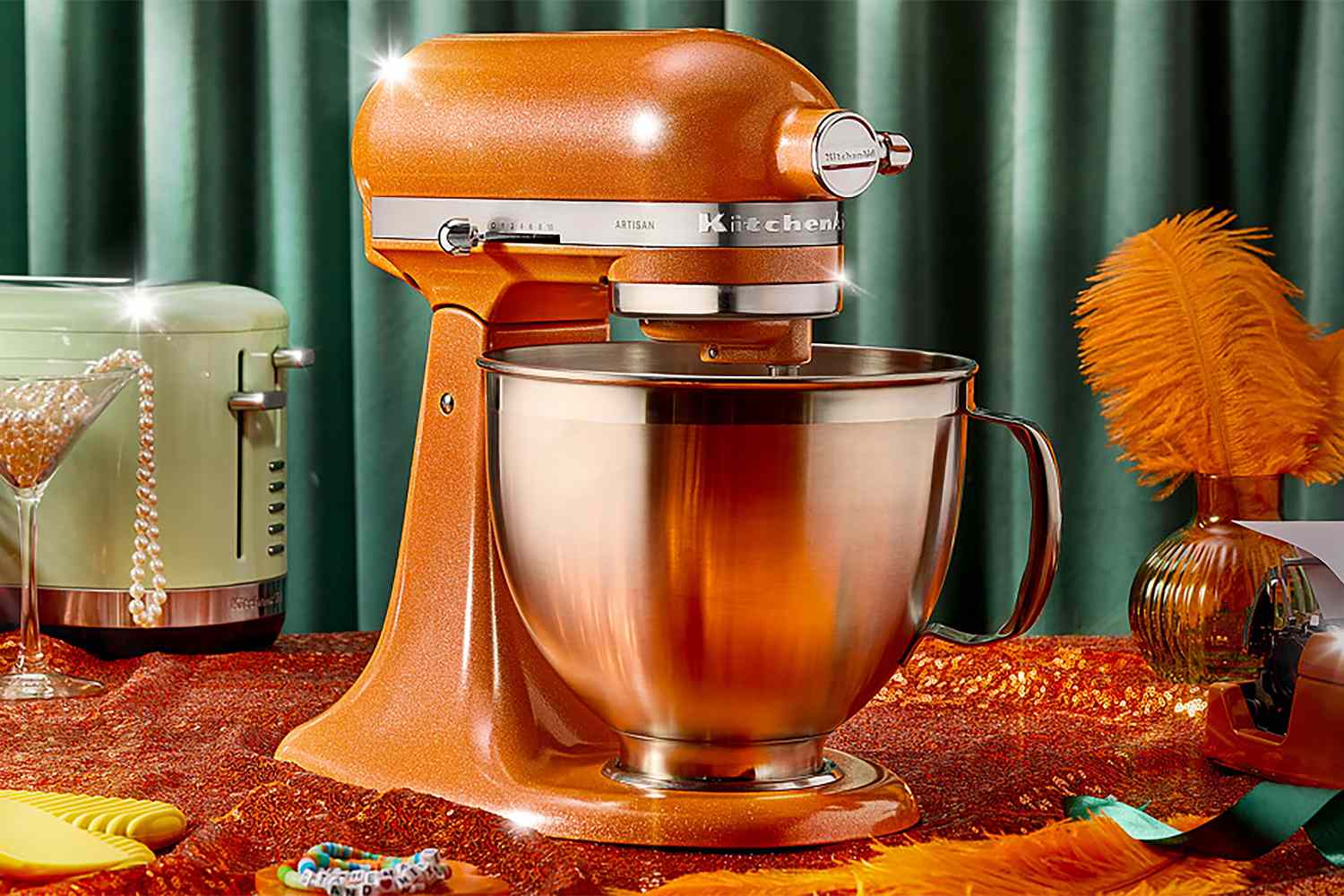
 So, you’ve finally done it. That gleaming, powerful stand mixer you’ve been dreaming of is sitting on your counter, ready to revolutionize your kitchen. It’s a true workhorse, a baker’s best friend. But now comes the big question: How To Use A Stand Mixer Properly to unlock its full, glorious potential? You’ve come to the right place. I remember my first one—it felt like graduating to the big leagues of baking. It was a game-changer, but only after I learned its nuances. This guide is your personal masterclass, designed to turn you from a tentative first-timer into a confident stand mixer pro.
Whether you’re a seasoned baker or just starting, understanding your machine is key to flawless cakes, airy meringues, and perfectly developed bread dough. Many people simply plug it in and turn it on, but there’s an art and a science to it that can elevate your results from good to absolutely spectacular. Let’s dive in and transform this beautiful kitchen appliance from a countertop decoration into the heart of your culinary creativity. To begin, it’s worth understanding exactly what makes this machine so special.
Why You Absolutely Need a Stand Mixer
Before we get into the nuts and bolts, let’s talk about the why. What makes a stand mixer so indispensable compared to a hand mixer or, heaven forbid, a wooden spoon and a whole lot of elbow grease?
- Unmatched Power: A stand mixer’s motor is a beast. It can handle dense, heavy bread dough or a thick batch of cookie batter without breaking a sweat. Think of it as having a tireless sous-chef who does all the heavy lifting.
- Hands-Free Operation: This is the real magic. While your mixer is kneading dough or creaming butter and sugar, you’re free to measure out your next ingredients, prepare your pans, or just sip a cup of coffee. It’s a multitasking marvel.
- Superior Consistency: The planetary mixing action—where the beater spins on its own axis while also orbiting around the bowl—ensures that every bit of ingredient is thoroughly incorporated. This means no more surprise pockets of flour or unincorporated butter at the bottom of the bowl.
- Versatility Overload: With the right attachments, a stand mixer is more than just a mixer. It can become a pasta maker, a meat grinder, an ice cream maker, and more. It’s a true kitchen hub.
Types of Stand Mixers and Key Features
Not all stand mixers are created equal. They generally fall into two main categories, and knowing which one you have is the first step.
Tilt-Head vs. Bowl-Lift: What’s the Difference?
The main distinction lies in how you access the bowl and attachments.
| Feature | Tilt-Head Models | Bowl-Lift Models |
|---|---|---|
| Mechanism | The motor head hinges back to allow access. | The bowl is raised and lowered via a lever. |
| Best For | Standard home kitchens, smaller batches. | Large batches, heavy doughs, professional use. |
| Pros | Easy to add ingredients, clear view of the bowl. | More stable for heavy loads, often more powerful. |
| Cons | Can sometimes wobble under heavy loads. | Can be harder to add ingredients or scrape the bowl. |
Don’t worry too much about which is “better”—both are fantastic. It’s about matching the design to your needs. The principles of how to use a stand mixer properly apply equally to both.
|
Our Picks for the Best Stand Mixer in 2026
As an Amazon Associate, we earn from qualifying purchases.
|
||
| Num | Product | Action |
|---|---|---|
| 1 | DASH Tilt-Head 3.5qt Stand Mixer 12 Speeds with Paddle, Dough Hook, and Whisk Attaachments - Cream |

|
| 2 | Kitchen in the box Stand Mixer, 900W 8.5QT Kitchen Electric Mixer, 6-Speed Large Capacity Food Mixer for Home Cooks with Egg Whisk, Dough Hook & Flat Beater (Black) |
|
| 3 | KitchenAid Classic Series 4.5 Quart Tilt-Head Stand Mixer K45SS, White |
|
| 4 | COOKLEE 6-IN-1 Stand Mixer, 8.5 Qt. Multifunctional Electric Kitchen Mixer with Beater, Whisk, Dough Hook, Meat Grinder and Other Accessories for Most Home Cooks, SM-1507BM, Silvery |
|
| 5 | Instant Pot Stand Mixer Pro,600W 10-Speed Electric Mixer with Digital Interface,7.4-Qt Stainless Steel Bowl,From the Makers of Instant Pot,Dishwasher Safe Whisk,Dough Hook and Mixing Paddle,Silver |
|
| 6 | Kitchen in the box Stand Mixer,3.2Qt Small Electric Food Mixer,6 Speeds Portable Lightweight Kitchen Mixer for Daily Use with Egg Whisk,Dough Hook,Flat Beater (Blue) |
|
| 7 | KitchenAid 7 Quart Bowl-Lift Stand Mixer |
|
| 8 | KitchenAid Artisan Series 5 Quart Tilt Head Stand Mixer with Pouring Shield KSM150PS, Blue Velvet |
|
| 9 | Stand Mixer | Powerful 660W Motor | Large 6.5 Qt. Bowl | 6-Speed Control | Dishwasher-Safe Attachments | Tilt-Head Design | Perfect for Home Bakers (Red) |
|
| 10 | 6-in-1 Multifunctional Stand Mixer, 5.3Qt 660W, 6-Speed Tilt-head, Electric Kitchen Mixer with Stainless Steel Bowl,Meat Grinder, Juice Blender (Black) |
|
A-Z Guide: From Assembly to Operation
Alright, let’s get this machine running. Unboxing and setting up is your first exciting step towards baking nirvana.
1. Find a Stable Home
Your stand mixer needs a solid, level surface to live on. A kitchen counter is perfect. Avoid placing it on a wobbly cart, as the vibrations from mixing, especially with heavy dough, can cause it to “walk” or move around.
2. Secure the Mixing Bowl
This step is crucial for both safety and effectiveness.
- For Tilt-Head models: The bowl will have grooves on the bottom that align with the base plate. Place the bowl on the plate and twist it clockwise until it locks firmly into place. You should feel a distinct click.
- For Bowl-Lift models: The bowl has two pins on the sides that slot into the mixer’s arms. Once seated, you’ll snap the back of the bowl into a spring-loaded clip on the support column. It should feel snug and secure.
3. Choose and Attach the Right Tool
Your mixer likely came with three essential attachments. We’ll cover them in detail later, but for now, let’s get one attached.
- Raise the head (tilt-head) or lower the bowl (bowl-lift).
- Align the pin on the top of the attachment with the slot on the mixer’s beater shaft.
- Push the attachment upwards and give it a slight turn counter-clockwise until it locks into place. It shouldn’t be able to fall off.
4. Lock and Load: Securing the Head
- For Tilt-Head models: Lower the head gently and use the locking lever on the side to secure it. You’ll want to do this before you start mixing to prevent the head from bouncing around.
- For Bowl-Lift models: Use the lever on the side to raise the bowl up into its mixing position.
5. Mastering the Speed Control
This is where technique comes into play. The golden rule is: start low, and go slow. Never turn your mixer directly to a high speed. This will send a cloud of flour puffing out of your bowl, decorating your kitchen and wasting ingredients.
- Speeds 1-2 (Stir/Slow Mix): Always start here. This is for gently combining ingredients, like adding flour to creamed butter or adding chocolate chips. For those wanting to understand the nuance of these initial settings, exploring the topic of what is the slowest speed for can provide deeper insights into avoiding over-mixing from the very beginning.
- Speeds 3-5 (Medium): This is your workhorse range for creaming butter and sugar, mixing cake batters, and developing cookie dough.
- Speeds 6-10 (High): This is for whipping. Use these high speeds to incorporate lots of air into egg whites for meringue or heavy cream for whipped cream.
Expert Tip: According to renowned pastry chef Isabella Rossi, “Most home bakers are too impatient with their mixers. Let the machine do the work. Proper creaming at a medium speed for a full 5-7 minutes is the secret to a light, tender cake crumb. Don’t rush it.”
Master Your Attachments: The Core Trio
Understanding which beater to use for which job is fundamental to knowing how to use a stand mixer properly.
The Flat Beater (or Paddle)
This is your most-used attachment. It’s designed for mixing, creaming, and beating anything with a normal to heavy consistency.
- Use it for: Cake batters, cookie dough, frostings, creaming butter and sugar, and even shredding cooked chicken or mashing potatoes.
The Dough Hook
Shaped like a ‘C’ or a spiral, this hook is specifically for kneading yeast doughs. It mimics the motion of hand-kneading, saving your arms an incredible amount of work.
- Use it for: Bread dough, pizza dough, brioche, and cinnamon roll dough.
- Pro Tip: Always knead on low speeds (usually speed 2 on most models). Using a high speed can strain the motor and overheat your dough.
The Wire Whisk (or Whip)
This balloon-shaped attachment is designed to incorporate air into liquids.
- Use it for: Whipping egg whites for meringues and soufflés, whipping heavy cream, and making light, airy frostings like ermine or Swiss meringue buttercream.
- Important: Avoid using the whisk for heavy batters or doughs, as you can easily bend the wires.
Beyond the Basics: Unleashing Your Mixer’s Full Power
The true magic of a modern stand mixer lies in its power hub, usually located at the front of the head. This is where you can connect a whole universe of optional accessories. These attachments transform your mixer from a baking tool into an all-purpose kitchen powerhouse. For example, if you’re interested in making homemade frozen treats, learning how to make ice cream with stand mixer attachment is a fantastic summer project. Similarly, you can significantly speed up your prep work if you understand how to use a food processor attachment for chopping vegetables or shredding cheese. For the dedicated baker, mastering precision tools like understanding how to use a sifter scale attachment can ensure perfect measurements every single time.
Maintenance and Cleaning Tips
A well-cared-for machine will be your faithful kitchen companion for decades. Proper cleaning and maintenance are non-negotiable.
- Always Unplug First! Before cleaning or changing attachments, always unplug the mixer from the wall. Safety first.
- Disassemble: Remove the attachment and the bowl.
- Wash Components: Most bowls and standard attachments (flat beater, dough hook) are dishwasher safe, but always check your manual. The wire whisk, especially those with an aluminum hub, should often be hand-washed to prevent oxidation.
- Wipe Down the Body: Use a soft, damp cloth to wipe down the mixer’s body and head. Never immerse the mixer itself in water. For stubborn splatters, a little mild soap on the cloth works wonders.
- Clean the Nooks and Crannies: Pay attention to the beater shaft and the locking mechanisms, as batter can sometimes get trapped there. A small brush or a toothpick can be helpful.
Common Problems and Troubleshooting
Even the best appliances can have off days. Here’s how to handle common hiccups.
Mixer is Shaking or “Walking” on the Counter
This usually happens when kneading a particularly stiff or large batch of dough.
- Solution: Make sure the head is locked (on tilt-head models). If it persists, the batch may be too large for your mixer’s capacity. Try reducing the batch size. Never leave a mixer unattended when kneading heavy dough.
Ingredients Aren’t Incorporating at the Bottom of the Bowl
You scrape down the sides, but there’s always a layer of unmixed flour or butter at the very bottom.
- Solution: This is a classic beater-to-bowl clearance issue. The gap between your beater and the bottom of the bowl is too large. Most mixers have an adjustment screw for this. The process is straightforward and is often referred to as a calibration test. For those with a popular brand, learning what is the dime test for a kitchenaid mixer is an essential skill that ensures your machine is working at peak efficiency.
The Motor Sounds Strained or Gets Hot
This is a sign of an overloaded motor.
- Solution: Stop the mixer immediately. The dough or batter is likely too stiff or too large. You may need to finish mixing by hand or reduce the batch size. Giving the motor a few minutes to cool down is also a good idea.
Frequently Asked Questions (FAQ)
Q1: What speed should I use to knead dough in a stand mixer?
You should almost always use speed 2 (or the equivalent low speed on your model). Kneading at high speeds can damage your mixer’s motor and generate too much heat in the dough, which can negatively affect the yeast’s activity.
Q2: Can I add ingredients while the mixer is running?
Yes, that’s one of its main benefits! Add ingredients on a low “Stir” speed to prevent them from flying out of the bowl. Using a pouring shield can also be extremely helpful for adding liquids or flour without making a mess.
Q3: How long can I run my stand mixer continuously?
This depends on the task and the model. For light tasks like whipping cream, it can run for 10-15 minutes. For heavy tasks like kneading dense dough, check your manual, but it’s generally best not to exceed 10 minutes without giving the motor a short break to cool down.
Q4: Can I use a stand mixer for small batches?
Yes, but it can sometimes be a challenge. If you find the beater isn’t reaching a small amount of ingredients (like a single egg white), you may need to stop and scrape down the bowl more frequently or consider purchasing a smaller bowl accessory if one is available for your model.
Q5: Is it possible to over-mix with a stand mixer?
Absolutely. The power that makes a stand mixer great can also be its downfall if you’re not paying attention. Over-mixing cake batter can lead to a tough, dense crumb, and over-whipping cream will turn it into butter. Always follow recipe timings closely.
Your Journey Begins Now
A stand mixer is more than just a kitchen appliance; it’s an investment in your creativity and a partner in your culinary adventures. By understanding its mechanics, respecting its power, and learning its language, you’re not just making food—you’re crafting experiences. Mastering how to use a Stand Mixer Properly is a journey of discovery that opens up a world of possibilities. So go ahead, lock in that bowl, attach that paddle, and start mixing. We can’t wait to see what you create.