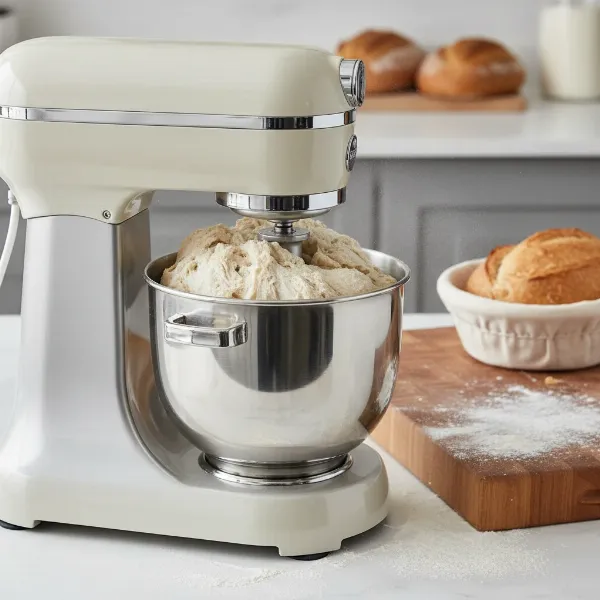
A stand mixer is more than just an appliance; it’s the heart of many kitchens, a workhorse for bakers and home cooks alike. From kneading dough for artisan bread to whipping meringue for delicate desserts, a quality stand mixer can transform your culinary endeavors. However, the investment in a new model can be substantial, leading many to consider refurbished or privately-sold used options. The big question then arises: are these alternatives safe, reliable, and truly a smart purchase? This guide will demystify the choices, helping you weigh the pros and cons of new, refurbished, and used stand mixers to make an informed decision for your kitchen.
Understanding Stand Mixers: An Overview
Stand mixers are defined by their stationary design and powerful motor, which drives various attachments (like dough hooks, whisks, and flat beaters) in a planetary mixing action for thorough ingredient incorporation. They offer hands-free operation and superior power compared to hand mixers, making light work of heavy tasks. Historically, these appliances have been built to last, often serving families for decades. Models typically come in two main designs: tilt-head, where the motor head lifts for bowl access, and bowl-lift, where the bowl is raised into position by a lever, often found in more powerful, larger capacity units.
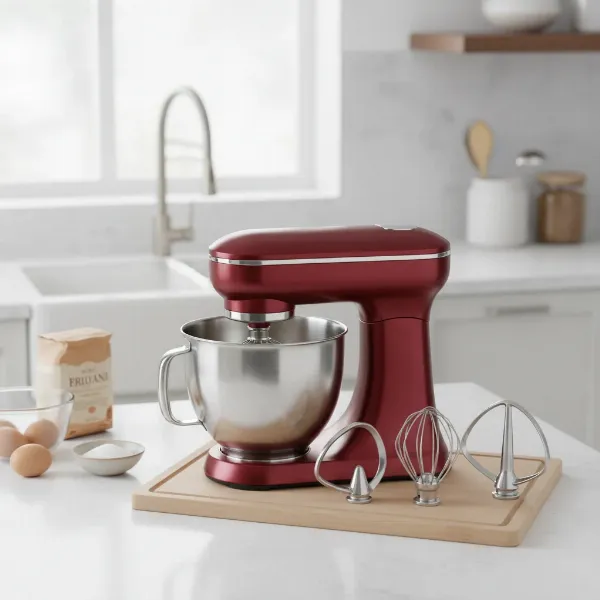 A modern stand mixer with various attachments for baking and cooking tasks.
New Stand Mixers: The Uncompromised Choice
Opting for a brand-new stand mixer offers a distinct set of advantages, primarily centered around peace of mind and pristine condition. When you purchase new, you’re getting a unit that has never been used, fresh from the factory in its original packaging.
- Pros: New mixers come in flawless condition, free from any cosmetic imperfections. They include a full manufacturer’s warranty, which typically covers parts and labor for a generous period, offering maximum protection against defects. You also gain access to the latest models, cutting-edge features, and the full spectrum of available colors and designs.
- Cons: The primary drawback of a new stand mixer is its premium price. This can be a significant investment, potentially stretching your budget, especially for high-capacity or professional-grade models.
- Ideal for: A new stand mixer is perfect for those who prioritize a spotless appliance, desire the latest technology, have specific aesthetic preferences, and want the absolute longest and most comprehensive manufacturer’s guarantee. It’s the go-to for enthusiasts who want to unbox perfection.
Refurbished Stand Mixers: Value Meets Reliability
Refurbished stand mixers present a compelling middle ground, balancing cost savings with a high degree of reliability. These aren’t simply “used” mixers; they undergo a specific process to ensure their quality.
- What are Refurbished Mixers? A refurbished stand mixer is typically a unit that was returned to the manufacturer (often due to minor cosmetic flaws, damaged packaging, or simply buyer’s remorse) or a model that required a small repair. Reputable manufacturers, like KitchenAid, put these mixers through a rigorous certification process. This involves thorough inspection, testing, and restoration by factory-approved technicians to ensure the machine meets original performance specifications. Any worn components are replaced, cosmetic blemishes are repaired or minimized, and the mixer is cleaned, polished, and repackaged with all necessary accessories.
- Pros: The most significant advantage is the considerable cost savings, often ranging from 20-50% off the price of a new unit. Buying refurbished is also an eco-friendly choice, as it extends the life of an appliance and reduces electronic waste. Functionally, a certified refurbished mixer performs “like new.” Crucially, these units typically come with a manufacturer’s or seller’s warranty, providing a layer of protection that privately-sold used mixers lack, though the warranty period might be shorter (e.g., 6-12 months) than for a brand-new appliance. All essential accessories required for operation are usually included.
- Cons: While functionally sound, refurbished mixers may have slight, purely cosmetic blemishes that don’t affect performance. The availability of specific models, colors, or capacities can be limited and inconsistent, meaning you might have to wait for your desired unit to come into stock.
- Safety: A certified refurbished stand mixer is generally very safe to buy. The professional inspection and restoration process ensures that all electrical and mechanical components are in proper working order, reducing the risks associated with uninspected used appliances.
- Where to Buy: The most reliable sources for refurbished stand mixers are directly from the manufacturer’s own refurbished program (e.g., KitchenAid’s official refurbished store) or through authorized retailers that offer certified refurbished programs. Always look for “certified refurbished” to ensure it has undergone a professional inspection process.
Buying a Used Stand Mixer: Navigating the Market
Purchasing a privately-sold used stand mixer can offer the deepest discounts, but it also comes with the highest level of risk and requires the most diligent inspection on your part.
- The Appeal of Secondhand: The allure of a significantly cheaper mixer, possibly even a vintage, heavy-duty model, is understandable. Used marketplaces often hold hidden gems for those willing to do their homework.
- Key Risks: The primary downsides are the absence of any warranty, an unknown history (how it was used, stored, or maintained), potential hidden defects that aren’t immediately obvious, and the possibility of missing crucial parts or accessories. There’s no manufacturer support once you own it.
- Is it Safe? Buying used from a private seller can be safe if you approach the purchase with caution and perform a thorough inspection. Without proper checks, you risk buying a faulty or even unsafe appliance.
- What to Look For During Inspection (Safety & Performance Checklist):
When considering a used stand mixer, a hands-on inspection is non-negotiable.- Exterior Examination:
- Electrical Cord: Carefully inspect the entire length of the power cord for any fraying, cuts, exposed wires, or signs of heat damage. This is a critical safety check.
- Body & Levers: Look for any cracks, significant dents, or severe discoloration on the mixer’s body. Ensure all levers (like the tilt-head lock or bowl-lift lever) are unbent and operate smoothly and securely.
- Mechanical Check:
- Tilt-Head/Bowl-Lift Security: For tilt-head models, raise and lower the head several times, ensuring it locks firmly into both the mixing and tilted positions without wobbling excessively. For bowl-lift models, ensure the bowl snaps securely into place and the lift mechanism operates smoothly.
- Planetary Action Test: With the mixer running on a medium speed, gently try to stop the rotating planetary head with your hand (be extremely careful, or use a soft cloth for safety). It should offer firm resistance and not slip easily. If it slips, it could indicate a worn worm gear, a common internal part that might need replacement.
- Motor Health Test:
- Run on High: Plug in the mixer and run it on its highest speed for at least 5-10 minutes (initially without the bowl/attachments, then with them if possible).
- Listen for Unusual Noises: Pay close attention for screeching, grinding, clicking, stuttering, or excessively loud whining sounds. A healthy motor should have a consistent hum.
- Smell Test: After running, sniff around the motor area. A burning smell indicates a struggling or overheating motor, which is a major red flag.
- Grease Inspection:
- Leakage: Look for any black, oily residue leaking from the mixer head, especially around the planetary shaft where attachments connect. This “black oil” is a common sign of degraded internal grease, which can happen over time or with heavy use. While often fixable by regreasing, it’s a project to consider.
- Attachments & Bowl Condition:
- Essential Attachments: Verify that the mixer comes with the basic attachments: a flat beater, wire whisk, and dough hook. Inspect them for bends, cracks, heavy oxidation, or flaking coating (if coated).
- Mixing Bowl: Check the bowl for cracks, deep scratches, heavy rust, or pitting. While light discoloration on stainless steel can often be polished away, severe rust or damage to the bowl means potential food contamination or breakage.
- Factor in Age and Missing Parts: An older mixer might be a testament to durability, but its internal grease might need refreshing. Also, if essential accessories are missing, research their replacement cost; what seems like a bargain could quickly become an expensive endeavor.
- Exterior Examination:
 A person inspecting a used stand mixer, checking cord, motor, and attachments.
- Where to Buy: Popular places include online classifieds (Craigslist, Facebook Marketplace), online auction sites (eBay), local thrift stores (like Goodwill), and garage sales.
- Safety Tips for Private Sales: When meeting a private seller, always prioritize your personal safety. Choose a public, well-lit location, or consider meeting in designated “safe transaction zones” often found at police stations. If possible, ask the seller for a video of the mixer running before you go to see it in person.
Stand Mixer Comparison: New vs. Refurbished vs. Used
To help you visualize the trade-offs, here’s a detailed comparison:
| Feature | New Stand Mixer | Certified Refurbished Stand Mixer | Privately Sold Used Stand Mixer |
|---|---|---|---|
| Price | Highest (Full Retail) | Moderate (20-50% off new) | Lowest (Often significant discounts) |
| Condition | Pristine, factory-perfect | Functionally “like new,” minor cosmetic flaws possible | Varies widely, potential significant wear or defects |
| Warranty | Full Manufacturer’s Warranty (e.g., 1-5 years) | Shorter Manufacturer/Seller Warranty (e.g., 6-12 months) | Usually none |
| Safety | Highest (Guaranteed by manufacturer) | High (Professionally inspected & restored) | Variable (Depends entirely on buyer’s inspection) |
| Accessories | All standard accessories included | All required accessories included | May be missing key attachments/bowl |
| Availability | Full range of models/colors, always in stock | Limited, inconsistent stock; specific models/colors can be scarce | Highly variable, often older or discontinued models |
| Peace of Mind | Excellent | Good (Backed by certification/warranty) | Low (Relies heavily on buyer’s expertise and luck) |
| Environmental Impact | Lowest positive impact | High positive impact (Reuse & recycling) | High positive impact (Reuse) |
Essential Maintenance for Your Stand Mixer
Regardless of whether you choose new, refurbished, or used, understanding basic stand mixer maintenance can significantly extend its lifespan and ensure safe operation.
- Regular Cleaning: Always clean your stand mixer after each use, wiping down the body and thoroughly cleaning attachments and bowls according to the manufacturer’s instructions. This prevents food buildup and keeps the mixer hygienic.
- Addressing Grease Leakage: If you notice black oil leaking from your mixer, especially from the planetary head, it’s typically a sign that the internal grease has degraded and separated. While it may look alarming, this is a common issue, particularly in older models. Regreasing a stand mixer is a DIY project that involves disassembling the head, cleaning out the old grease, and repacking it with food-grade grease. Many online tutorials (e.g., YouTube videos from “Mr. Mixer”) can guide you through this process. It’s a worthwhile investment of time to revitalize an otherwise good mixer.
- Checking for Wear and Tear: Periodically inspect your mixer’s cord, attachments, and moving parts. Replace any damaged or worn components promptly to maintain safety and performance.
Final Buying Guide: Making Your Decision
The choice between a new, refurbished, or used stand mixer ultimately depends on your budget, risk tolerance, and commitment to inspecting or potentially maintaining the appliance.
If peace of mind, a full warranty, and a pristine appearance are your top priorities and budget isn’t a major constraint, a new stand mixer is the ideal choice.
For those seeking an excellent balance of value, reliability, and safety, a certified refurbished stand mixer is often the smartest option. You get a professionally inspected and restored machine, usually with a warranty, at a significantly reduced price.
If maximum savings are your goal and you’re comfortable with a bit of risk, thorough inspection, and potentially some DIY maintenance, then a privately-sold used stand mixer can be a rewarding find. Just remember that diligence is key to ensuring you’re getting a safe and functional appliance. Always perform the detailed inspection outlined above and prioritize safety during the transaction.
Ultimately, a stand mixer is a long-term investment. By understanding the nuances of each purchasing option, you can confidently choose the perfect mixer that fits your needs, budget, and baking aspirations.
Frequently Asked Questions
Are refurbished stand mixer gears weaker than new ones?
|
Our Picks for the Best Stand mixer in 2026
As an Amazon Associate I earn from qualifying purchases.
|
||
| Num | Product | Action |
|---|---|---|
| 1 | Cuisinart SMD-50GPH Precision Pro 5.5-Quart Digital Stand Mixer with 12-Speeds, 3 Preprogrammed Food Prep Settings, Mixing Bowl, Whisk, Flat Mixing Paddle, Dough Hook, and Splash Guard, Graphite |

|
| 2 | Kitchen in the box Stand Mixer,3.2Qt Mini Electric Food Mixer,6 Speeds Portable Lightweight Kitchen Mixer for Daily Use with Egg Whisk,Dough Hook,Flat Beater (Green) |
|
| 3 | Cuisinart SPI-50 Spiralizer, White |
|
| 4 | Cuisinart SMD-50CRM Precision Pro 5.5-Quart Digital Stand Mixer with 12-Speeds, 3 Preprogrammed Food Prep Settings, Mixing Bowl, Chef's Whisk, Flat Mixing Paddle, Dough Hook, and Splash Guard, Cream |
|
| 5 | Kitchen in the box Stand Mixer,3.2Qt Small Electric Food Mixer,6 Speeds Portable Lightweight Kitchen Mixer for Daily Use with Egg Whisk,Dough Hook,Flat Beater (Blue) |
|
| 6 | 3-IN-1 Electric Stand Mixer, 6.5QT Bowl 660W 10-Speed Kitchen Mixer, Household Food Mixers include Dough Hook, Beater and Whisk, Bread Cake Mixer for Baking and Most Home Cooks, Red |
|
| 7 | Cuisinart SM-50G Precision Master 5.5-Quart 12-Speed Stand Mixer with Mixing Bowl, Chef's Whisk, Flat Mixing Paddle, Dough Hook, and Splash Guard with Pour Spout, Agave Green, Manual |
|
| 8 | Cuisinart SMD-50BC Precision Pro 5.5-Quart Digital Stand Mixer With 12-Speeds, 3 Preprogrammed Food Prep Settings, Mixing Bowl, Whisk, Flat Mixing Paddle, Dough Hook, And Splash Guard, Silver Lining |
|
| 9 | Kitchen in the box Stand Mixer,3.2Qt Small Electric Food Mixer,6 Speeds Portable Lightweight Kitchen Mixer for Daily Use with Egg Whisk,Dough Hook,Flat Beater (Black) |
|
| 10 | Cuisinart Stand Mixer, 12 Speeds, 5.5-Quart Mixing Bowl, Chef's Whisk, Flat Mixing Paddle, Dough Hook, and Splash Guard with Pour Spout, Silver Lining, SM-50BC, Silver Lining |
|
No, reputable manufacturers restore refurbished stand mixers to factory specifications. This means any components, including gears, are either original, fully functional parts or have been replaced with new, identical-quality parts, ensuring they are not weaker than those in a new model.
What is the average lifespan of a stand mixer?
High-quality stand mixers, particularly from reputable brands, are renowned for their durability. With proper care and maintenance, many models can reliably last for 10 to 20 years, and some older, robust units are still in excellent working condition after several decades.
Can I get replacement parts for older stand mixer models?
Yes, a wide range of replacement parts, including mixing bowls, beaters, dough hooks, whisks, and even internal gears, are often available for many older stand mixer models. You can typically find these directly from the manufacturer or through various third-party parts suppliers online.
How do I know if a used stand mixer needs regreasing?
Key indicators that a used Stand Mixer might need regreasing include black oil leaking from the planetary head, the mixer making unusual noises (like grinding or clicking), or struggling more than it should with heavier doughs. Regreasing is a common maintenance task that revitalizes the internal gears.
Is it worth buying a stand mixer that is missing attachments?
It depends on the initial price and the cost of replacement attachments. If the mixer is an incredible deal, buying missing attachments (paddle, whisk, dough hook) separately might still make it a smart purchase. However, if replacement costs add up significantly, a mixer with all its original, intact attachments might offer better overall value.