So, you’ve done it. You’ve brought home that beautiful, heavy-duty stand mixer you’ve been dreaming about. You unbox it, marvel at its sleek design, and then you see them: a collection of strange, metallic attachments. You’re probably wondering, What Are The Different Beater Types for, and which one am I supposed to use? Don’t worry, you’re not alone. Think of these attachments not as confusing extras, but as your specialized team of kitchen assistants, each with a unique talent. Getting to know them is the first step toward unlocking the true power of your new kitchen appliance. If you’re just starting this journey, our comprehensive stand mixer buying guide can provide an even broader perspective.
I remember my first stand mixer. It felt like a game-changer, but staring at that flat beater, wire whisk, and oddly shaped dough hook was a little intimidating. It took some trial and error (and one very dense cake) to truly understand their purpose. Let’s break down this essential toolkit so you can mix, whip, and knead like a pro from day one.
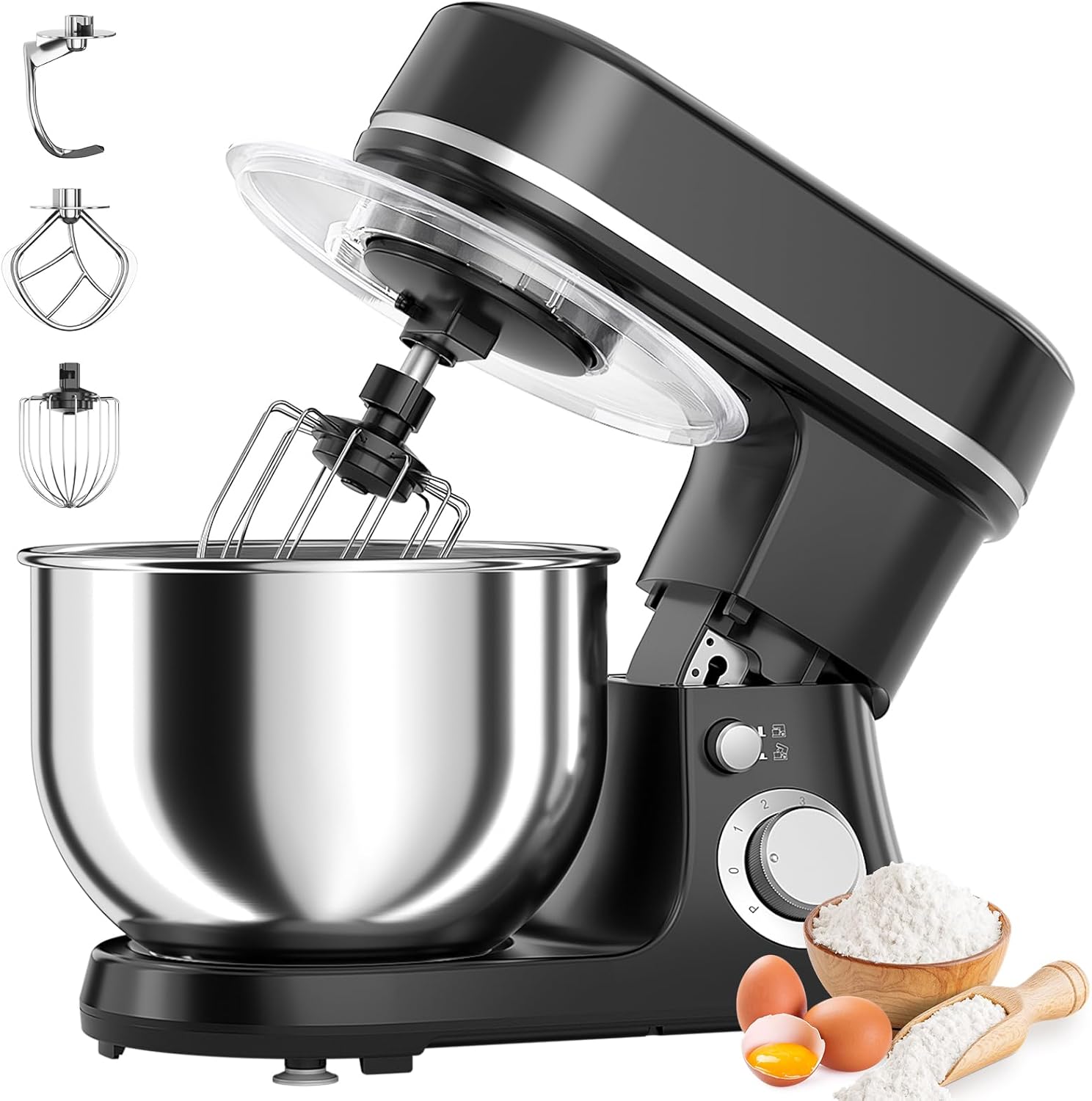
The Holy Trinity of Stand Mixer Attachments
Nearly every stand mixer, from a classic KitchenAid to a powerful Kenwood, comes with three fundamental attachments. These are the core tools you’ll use for 90% of your recipes. Mastering them is non-negotiable for any aspiring home baker.
The Flat Beater: Your Everyday Workhorse
The flat beater (sometimes called a paddle attachment) is the most versatile tool in your arsenal. It’s designed for mixing, stirring, and creaming ingredients with normal to heavy textures. Its shape allows it to thoroughly combine ingredients and incorporate them without whipping in too much air.
- What it looks like: A flat, almost triangular paddle with some open spaces, resembling the letter ‘A’.
- What it’s for: This is your go-to for most everyday tasks.
- Creaming Butter and Sugar: This is the quintessential job for a flat beater. It perfectly blends fat and sugar, creating tiny air pockets that form the foundation of light and tender cakes and cookies.
- Cake Batters and Brownies: It expertly combines wet and dry ingredients without over-mixing, which can lead to tough baked goods.
- Cookie Dough: From chocolate chip to oatmeal raisin, the flat beater has the strength to handle dense cookie doughs.
- Frostings and Fillings: Ideal for making smooth, creamy buttercreams and cream cheese frostings.
- Mashed Potatoes: Yes, really! It creates perfectly fluffy, lump-free mashed potatoes in seconds. Just be careful not to overdo it, or they can become gummy.
Think of the flat beater as the Swiss Army knife of your stand mixer attachments. When a recipe just says “mix” or “combine,” this is almost always the tool you should reach for.
The Wire Whisk: The Aeration Artist
If the flat beater is about combining, the wire whisk (or wire whip) is all about aerating. Its balloon-like shape with numerous thin wires is engineered to whip a large volume of air into liquid ingredients, dramatically increasing their volume and creating light, airy textures.
- What it looks like: A bulbous or balloon-shaped whisk made of many interconnected metal wires.
- What it’s for: Anything that needs to be light, fluffy, or voluminous.
- Whipping Egg Whites: This is the whisk’s starring role. It can turn a small pool of egg whites into stiff, glossy peaks for meringues, soufflés, and angel food cake.
- Making Whipped Cream: In just a couple of minutes, it transforms heavy cream into luscious, stable whipped cream for topping desserts.
- Light Frostings: Perfect for airy frostings like ermine or 7-minute frosting.
- Emulsifying Vinaigrettes: It brings oil and vinegar together for homemade salad dressings.
According to renowned pastry chef Amelia Evans, “The secret to a perfect meringue isn’t just fresh eggs; it’s maximizing aeration. A stand mixer’s wire whisk does this with unparalleled efficiency, creating a stable foam structure that hand-whisking simply can’t replicate.”
A crucial tip: the wire whisk is not for heavy mixtures like cookie dough or thick batters. Using it for such tasks can bend the wires and potentially damage the attachment or even your mixer.
The Dough Hook: The Gluten Guru
This C-shaped or spiral attachment is a bread baker’s best friend. Its job is to mimic the motion of hand-kneading, stretching and folding the dough to develop the gluten strands that give bread its signature chewy structure. This tool is a powerhouse, especially if you’re looking for the best stand mixer for large batches, as it handles heavy loads with ease.
- What it looks like: Either a C-shaped hook (common on tilt-head models) or a corkscrew-like spiral (often found on bowl-lift models).
- What it’s for: Kneading any kind of yeast dough.
- Bread Dough: From rustic sourdough to soft brioche, the dough hook does all the hard work.
- Pizza Dough: Get that perfect chewy crust without breaking a sweat.
- Pasta Dough: It brings together flour and eggs to form a smooth, elastic pasta dough.
- Cinnamon Rolls and Pretzels: Any enriched or lean yeast dough is a perfect job for this attachment.
The action of the dough hook, combined with the mixer’s planetary mixing action (where the beater spins on its axis while also orbiting the bowl), ensures all the dough is kneaded evenly and efficiently. While the C-hook works well, many bakers find the spiral design even more effective at working the dough. To get a deep dive into this specific design, you can explore our detailed guide on what is a spiral dough hook.
Beyond the Basics: Specialized Beater Types
While the main three will cover most of your needs, some brands offer specialized beaters that solve common baking problems and expand your mixer’s capabilities. Knowing about these different beater types can take your baking to the next level.
The Flex Edge Beater
This is a flat beater with a flexible silicone or rubber edge on one or both sides. As the beater moves around the bowl, that flexible edge scrapes the sides, reducing the need to stop the mixer and do it manually with a spatula. It’s a fantastic time-saver and ensures your ingredients are more thoroughly incorporated. It’s particularly useful for sticky batters and creamy mixtures like cream cheese frosting.
The Pastry Beater
A newer innovation, the pastry beater is designed specifically for “cutting” cold butter into flour—the crucial first step for making flaky pie crusts, scones, and biscuits. It breaks up the cold butter into perfect, pea-sized pieces without overworking the dough or warming the butter, which is the key to achieving that tender, flaky texture.
How Do I Choose the Right Beater for My Recipe?
Choosing the right beater is simple once you understand their core functions. Ask yourself: what is the main action required by the recipe?
The correct beater choice boils down to the texture you want to achieve. Use the flat beater for general combining and creaming, the wire whisk for incorporating air to make things light and fluffy, and the dough hook for developing gluten by kneading yeast doughs.
For a quick reference, here’s a simple breakdown:
| Attachment | Primary Action | Best For |
|---|---|---|
| Flat Beater | Mixing, Combining, Creaming | Cake batters, cookie dough, frostings, mashed potatoes |
| Wire Whisk | Whipping, Aerating | Egg whites, whipped cream, meringues, light batters |
| Dough Hook | Kneading, Stretching | Bread, pizza dough, pasta, cinnamon rolls |
| Flex Edge Beater | Mixing and Scraping | Sticky batters, cream cheese frostings, anything requiring frequent scraping |
Frequently Asked Questions (FAQ)
Q1: What happens if I use the wrong beater type for my stand mixer?
Using the wrong beater can lead to poor results or even damage your equipment. For example, using a whisk for cookie dough can bend the wires, while using a dough hook for a light cake batter won’t incorporate enough air, resulting in a dense, flat cake.
Q2: Can I use the flat beater for everything?
While it’s the most versatile, it’s not ideal for everything. It won’t whip sufficient air into egg whites for a meringue, and it’s not designed to knead bread dough effectively. Using the correct attachment for the job will always yield better results.
Q3: Are all the different beater types dishwasher safe?
Not always! Always check your manufacturer’s instructions. Many stainless steel attachments are dishwasher safe, but those made from burnished aluminum (which are often a dull gray) are not. Washing them in a dishwasher will cause them to oxidize and develop a dark, powdery residue that can ruin your food.
Q4: How do I know if my beater is attached correctly?
Most attachments lock into place with a simple push-and-twist motion. You should feel a slight click or see it settle into the locked position. It should feel secure and not wobble excessively when you gently tug on it.
Q5: Why is my wire whisk not touching the bottom of the bowl?
There should be a small clearance between the beater and the bottom of the bowl. If it’s too high, it won’t mix small quantities properly. If it’s too low, it can scratch the bowl. Most mixers have an adjustment screw to change the beater height—this is often called the “dime test.”
Your Culinary Journey Starts Now
Understanding what are the different beater types is like learning the vocabulary of your stand mixer. Each attachment speaks a different language—the language of creaming, whipping, or kneading. By choosing the right tool for the job, you’re not just following a recipe; you’re setting your creations up for success. This knowledge transforms your stand mixer from a simple kitchen appliance into a true culinary partner, ready to help you tackle any project with confidence. Now, go forth and bake something amazing! We’d love to hear about your first creation in the comments below.