Welcome to the heart of the kitchen! If you’ve ever found yourself dreaming of silky smooth cake batters, perfectly developed bread dough, or fluffy meringue peaks achieved without an aching arm, you’ve likely pictured a stand mixer on your countertop. But as you start exploring, you’ll quickly run into some key terms. So, let’s tackle one of the most fundamental questions: What Is A Tilt Head Mixer?
Think of it as the friendly, accessible gateway into the world of high-performance baking. It’s the design that most people picture when they think of a classic stand mixer, and for good reason. It’s a versatile and powerful kitchen appliance designed to make your culinary life infinitely easier. For those just starting their journey, understanding this design is often the first step, and for many, exploring the best stand mixer for beginners leads them right to this type of machine.
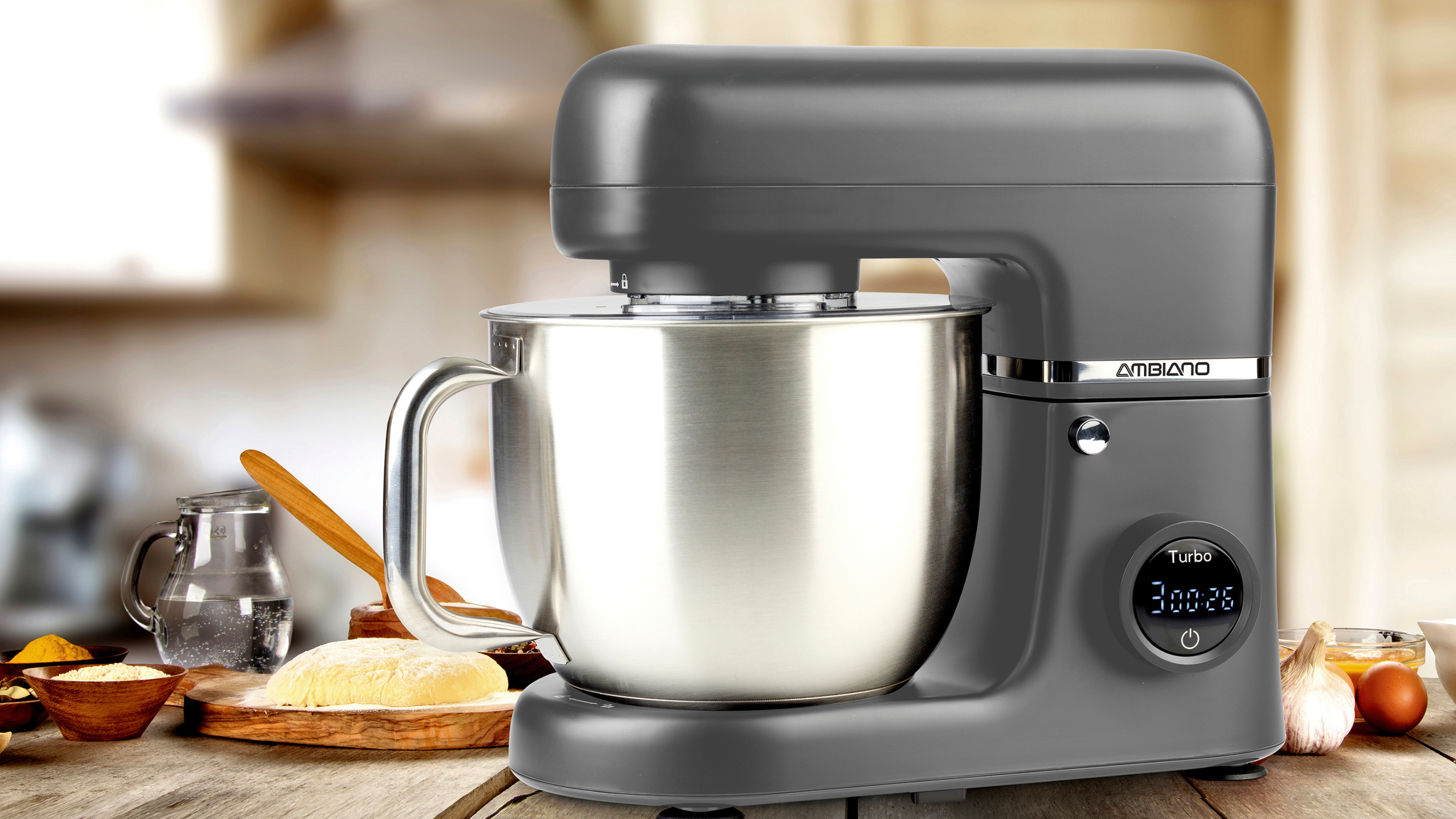
How a Tilt Head Mixer Works: The Simple Genius
A tilt-head stand mixer is defined by its clever two-part construction. The top part of the mixer, which houses the motor and the attachment hub, is connected to the base by a hinge. With the flick of a locking lever, you can tilt the entire “head” of the mixer up and back.
Why is this so brilliant? It gives you direct, unobstructed access to the mixing bowl. You can easily add ingredients, scrape down the sides with a spatula, or swap out attachments like the dough hook or whisk without having to maneuver around the mixer’s head. When you’re ready to mix again, you simply tilt the head back down, lock it in place, and you’re good to go. It’s an intuitive design that feels natural from the very first use.
The Tilt Head vs. Bowl-Lift Mixer: The Main Event
Now, you can’t really talk about tilt-head mixers without mentioning their bigger, brawnier sibling: the bowl-lift mixer. Understanding the difference is key to choosing the right kitchen sidekick for your needs.
A bowl-lift mixer has a solid, stationary head. Instead of tilting the head up, you use a lever to raise and lower the entire bowl into position. This design is typically found on larger, more powerful, and often commercial-grade models.
Here’s a quick breakdown to help you see the difference at a glance:
| Feature | Tilt Head Mixer | Bowl-Lift Mixer |
|---|---|---|
| Mechanism | Motor head tilts back on a hinge. | Bowl is raised and lowered by a lever. |
| Bowl Access | Excellent, unobstructed access. | Good, but the head is always over the bowl. |
| Size/Footprint | Generally smaller and shorter. | Taller and heavier; may not fit under cabinets. |
| Stability | Very stable for most tasks, but can bounce with heavy doughs. | Extremely stable due to fixed head and wider base. |
| Capacity | Typically 3.5 to 5.5 quarts. | Typically 5 to 8 quarts or more. |
| Best For | Everyday home bakers, smaller batches, general-purpose use. | Avid bakers, large families, heavy doughs, commercial use. |
Who is the Tilt-Head Mixer For?
A what is a tilt head mixer query often comes from home bakers looking to upgrade from a hand mixer. You’re the perfect candidate if you:
- Bake for your family and friends.
- Primarily make cakes, cookies, frostings, and the occasional loaf of bread.
- Have standard-height kitchen cabinets and need a mixer that fits neatly underneath.
- Appreciate the ease of adding ingredients and scraping the bowl.
Who Should Consider a Bowl-Lift Mixer?
You might want to graduate to a bowl-lift model if you:
- Regularly bake multiple loaves of dense bread (like sourdough or rye) at once.
- Run a small home-baking business.
- Need the extra power and capacity for double or triple batches of cookie dough.
- Have a dedicated baking station where mixer height isn’t an issue.
The Anatomy of a Tilt Head Mixer: What Makes It Tick?
Let’s look under the hood, so to speak. Understanding the core components will help you appreciate what this machine can do.
The Motor: The Heart of the Machine
The motor is the engine that drives your culinary creations. Don’t get too caught up in wattage numbers; they can be misleading. A more efficient motor can do more with less power. Many premium models feature a design that delivers consistent power directly to the bowl. To truly grasp this concept, it’s helpful to understand what is a direct drive motor and the advantages it offers in performance and longevity.
Planetary Mixing Action
This sounds like something out of a sci-fi movie, but it’s the secret to flawlessly mixed ingredients. The beater doesn’t just spin in a circle. It spins on its own axis while also orbiting around the mixing bowl in the opposite direction. Imagine the Earth spinning as it revolves around the sun. This action ensures the beater reaches dozens of points around the bowl, incorporating every last bit of flour and butter.
As professional pastry chef Amelia Chen often says, “Proper mixing is non-negotiable. Planetary action eliminates those pesky dry pockets at the bottom of the bowl, giving you a consistent texture every single time. It’s the difference between a good bake and a great one.”
Attachments and the Power Hub
Most tilt-head mixers come with three essential attachments:
- Flat Beater: Your go-to for most tasks, from creaming butter and sugar for cookies to mixing cake batters and making frosting.
- Wire Whisk (or Whip): Perfect for incorporating air into ingredients. Use it for whipping egg whites into stiff peaks for meringue, making whipped cream, or creating light and airy frostings.
- Dough Hook: This C-shaped or spiral hook mimics the motion of hand-kneading. It develops the gluten in bread dough, saving you a ton of time and effort.
Beyond these, the small circular port on the front of the mixer’s head, often covered by a silver cap, is the power hub. This is where a tilt-head mixer transforms from a simple mixer into a multi-functional kitchen powerhouse. You can attach dozens of optional accessories, from pasta rollers and meat grinders to spiralizers and ice cream makers. A comparable workhorse in this category is the kenwood chef stand mixer, which also boasts a wide range of attachments.
Is a Tilt Head Mixer the Right Choice for Your Kitchen?
So, you know what is a tilt head mixer, but is it the one for you? Let’s weigh the pros and cons.
The Pros:
- User-Friendly: The tilting mechanism is incredibly intuitive and makes it easy to see what you’re doing.
- Space-Efficient: Its smaller stature means it can be comfortably stored on a countertop under most kitchen cabinets.
- Aesthetic Appeal: Tilt-head models, particularly the iconic KitchenAid Artisan series, come in a dazzling array of colors. They are as much a design statement as a functional tool, a fact explored in various colorful stand mixer design trends.
- Sufficient for Most: For the vast majority of home cooking and baking tasks, a tilt-head mixer has all the power and capacity you’ll ever need. Brands like the popular hamilton beach stand mixer offer fantastic value and performance in this category for everyday users.
The Cons:
- Less Stability with Heavy Loads: When kneading very stiff, large batches of dough, the hinged head can sometimes bounce or shudder. It’s designed with a locking mechanism to prevent issues, but it’s something to be aware of.
- Slightly Smaller Capacity: While 5 quarts is plenty for a double batch of cookies or a loaf of bread, it might not be enough for holiday baking marathons or those who entertain large crowds.
Frequently Asked Questions (FAQ)
Can a tilt head mixer handle bread dough?
Absolutely! A quality tilt-head mixer is more than capable of kneading most standard bread dough recipes, like brioche, white sandwich bread, and pizza dough. For very large batches or extremely dense, low-hydration doughs (like some bagels or rye breads), you may find a bowl-lift model performs with less strain.
What size tilt head mixer should I get?
For most households, a 4.5 or 5-quart model is the sweet spot. It provides enough capacity for a standard batch of cookies (around 9 dozen), a loaf of bread, or a full-size cake without taking up excessive counter space.
Why is my tilt head mixer head bouncing when I knead dough?
A little movement is normal, especially at higher speeds with heavy dough. However, excessive bouncing can mean a few things: the batch is too large or too stiff for the machine’s capacity, or the speed is set too high. Always knead bread dough on speed 2 and never higher to avoid straining the motor.
How do I adjust the beater-to-bowl clearance on my mixer?
This is a critical adjustment! If the beater is too high, it won’t mix ingredients at the bottom. If it’s too low, it can scratch the bowl. Most tilt-head models have a small screw located on the hinge. Tilting the head back reveals this screw, which you can turn slightly to raise or lower the beater for perfect clearance (the “dime test” is a popular method to check this).
Is a tilt head mixer worth the investment?
Without a doubt. It saves time, reduces physical effort, and delivers superior, more consistent results in your baking. It’s a workhorse that, with proper care, can be a beloved part of your kitchen for decades. The answer to what is a tilt head mixer is simple: it’s your most reliable partner in culinary creativity.