Welcome to the heart of your kitchen, where flour, sugar, and creativity come together. If you’re here, you’re likely considering a stand mixer—a true culinary cornerstone—or looking to understand your current one better. When you start comparing models, you’ll see watts, features, and colors, but understanding What Is Mixer Bowl Capacity is arguably one of the most critical decisions you’ll make. It’s the difference between effortlessly whipping up a double batch of cookies for the bake sale and a countertop covered in flying flour. Let’s get into it and demystify this key specification so you can find the perfect kitchen sidekick.
I remember my first stand mixer. It was a modest 4.5-quart tilt-head model, and it completely changed my baking game. Suddenly, kneading bread dough wasn’t a workout, and meringues were light as a cloud. But soon, my ambitions grew. Holiday baking meant triple batches, and that little bowl started to feel cramped. That’s when I truly learned the importance of matching the mixer bowl capacity to the task at hand.
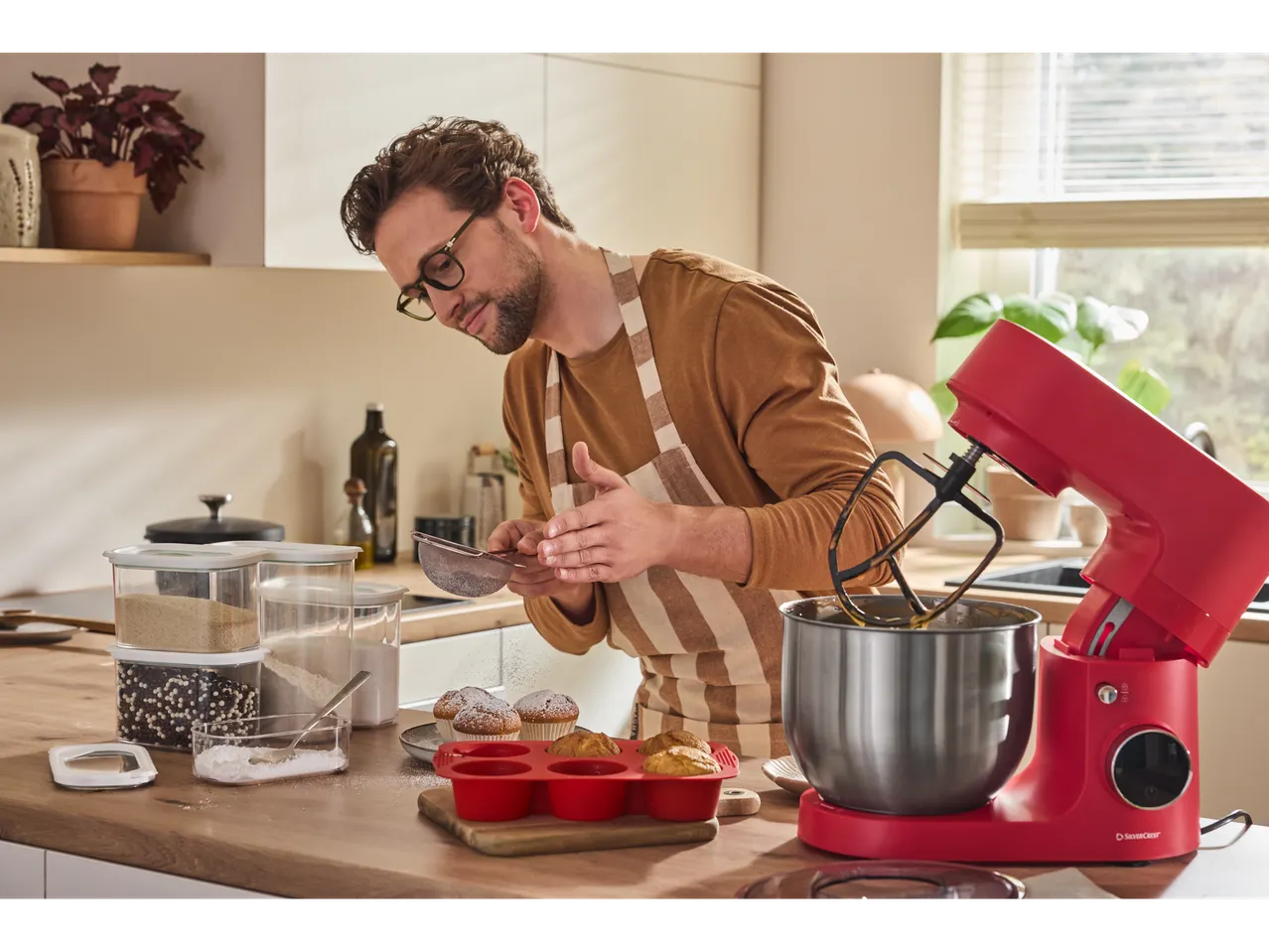
Why Mixer Bowl Capacity Is More Than Just a Number
Simply put, the mixer bowl capacity is the total volume the bowl can hold, typically measured in quarts (in the US) or liters. But it’s not just about how much liquid you can pour in. This single number influences everything from your batch size to the mixer’s overall efficiency.
Think of it like choosing a saucepan. You wouldn’t try to cook a gallon of soup in a tiny pot, right? The same principle applies here.
- Batch Size Freedom: The most obvious benefit of a larger bowl is the ability to make more at once. This is a lifesaver for holiday bakers, large families, or anyone who loves to meal prep.
- Mixing Efficiency: An appropriately sized bowl ensures all your ingredients are properly incorporated. The attachments, like the flat beater or dough hook, are designed to work optimally within a specific geometry. Overcrowd the bowl, and you’ll end up with pockets of unmixed flour at the bottom.
- Preventing “The Flour Cloud”: A bowl that’s too full is a recipe for disaster. When you start the mixer, especially with dry ingredients, having enough headspace prevents everything from erupting out of the bowl and onto your counter. This is what we call maintaining a good usable capacity.
According to renowned pastry chef Isabelle Dubois, “Usable capacity is the baker’s secret weapon. A 6-quart bowl doesn’t mean you should fill it with 6 quarts of batter. For light batters, you might use 75% of the space, but for heavy bread dough that needs room to rise and knead, you’re looking at closer to 50% to get perfect results.”
How Do I Choose the Right Mixer Bowl Capacity?
This is the golden question, and the answer depends entirely on you. Your baking habits, the size of your household, and your culinary ambitions will all point you to the right size. Let’s break it down into common baker profiles.
The Casual Baker: 3.5 to 4.5 Quarts
This is the perfect starting point for individuals, couples, or small families. If you bake a dozen cookies on a whim, whip up a single cake for a birthday, or make a loaf of banana bread on the weekend, this size is your sweet spot.
- Typical Output: Up to 4 dozen cookies, 1 loaf of bread, or a single batch of cake batter.
- Best For: Everyday baking, smaller kitchens, and those new to stand mixers.
- Common Models: KitchenAid Artisan Mini (3.5-quart), some entry-level models from Cuisinart. These are almost always tilt-head mixers, which are user-friendly and great for beginners.
The Passionate Hobbyist: 5 to 6 Quarts
This is the most popular and versatile range, hitting the sweet spot for most home bakers. If you regularly bake for family gatherings, school events, or enjoy tackling more ambitious recipes like sourdough or multi-layered cakes, this size gives you the flexibility you need without being overwhelmingly large. My own upgrade was to a 5-quart model, and it handled everything I threw at it for years.
- Typical Output: 6-9 dozen cookies, 2 loaves of bread, double batches of frosting.
- Best For: Growing families, avid bakers, and those who want to avoid outgrowing their machine too quickly.
- Common Models: KitchenAid Artisan (5-quart), KitchenAid Professional 600 Series (6-quart). In this range, you’ll find both powerful tilt-head and sturdy bowl-lift designs.
The Pro-Level Home Baker or Small Business Owner: 7 to 8 Quarts
For those who are serious about their craft, a larger capacity bowl is a non-negotiable. If you’re churning out dozens of cupcakes for sale, making multiple loaves of dense rye bread every week, or preparing large batches of pasta dough, you need the space and power that comes with these larger machines.
- Typical Output: 12-14 dozen cookies, 4+ loaves of bread, large quantities for catering or selling.
- Best For: Cottage food businesses, very large families, or passionate bakers who never do things by halves.
- Common Models: KitchenAid Pro Line (7-quart) or Commercial Series (8-quart). These are exclusively bowl-lift mixers, built for stability and power to handle heavy loads.
| Baker Profile | Typical Bowl Capacity (Quarts) | Ideal For | Example Recipe Batch | Mixer Type |
|---|---|---|---|---|
| The Casual Baker | 3.5 – 4.5 | Small households, occasional baking | 1 loaf of bread, 4 dozen cookies | Tilt-Head |
| The Hobbyist | 5 – 6 | Regular baking, families, exploring new recipes | 2 loaves of bread, 9 dozen cookies | Tilt-Head or Bowl-Lift |
| The Pro Home Baker | 7 – 8+ | Small business, large batches, frequent bread making | 4+ loaves of bread, 14 dozen cookies, large doughs | Bowl-Lift |
Does a Bigger Bowl Always Mean a More Powerful Mixer?
Generally, yes. It’s a matter of engineering. A manufacturer isn’t going to put a massive 8-quart bowl on a machine with a weak motor that can’t handle the load. As the mixer bowl capacity increases, so does the wattage and the robustness of the internal gears.
This is why larger capacity mixers are typically bowl-lift designs. The fixed head and lever-operated bowl provide superior stability, which is essential when the powerful motor is kneading a heavy, dense ball of dough. The famous planetary mixing action—where the beater spins on its axis while also orbiting around the bowl—is much more effective when the machine is stable. A tilt-head mixer could struggle or “walk” on the counter with a very heavy load.
Beyond Quarts: What Else to Consider About Your Mixer Bowl
The capacity is crucial, but the bowl itself has other features to consider.
- Material: Most standard bowls are made from polished or brushed stainless steel. They are durable, easy to clean, and non-reactive. Some brands also offer glass bowls (great for seeing your mix) or ceramic bowls (which come in beautiful designs).
- Handle: This seems like a small detail, but a comfortable, ergonomic handle makes a huge difference when you’re pouring heavy batter or scraping down a sticky dough.
- Pouring Shield: Many mixers come with a pouring shield. This plastic accessory sits on top of the bowl and helps you add ingredients while the mixer is running without making a mess—a must-have for adding flour or powdered sugar.
Making the right choice in mixer bowl capacity is about being honest with your needs. Don’t buy an 8-quart behemoth if you only bake for two; it will be inefficient for small tasks. Conversely, don’t frustrate yourself with a small bowl if you dream of selling your creations at the local farmer’s market. A stand mixer is an investment in your culinary joy, and choosing the right size ensures that joy isn’t overshadowed by limitations.
Frequently Asked Questions (FAQ)
What is the most common mixer bowl capacity for home use?
The most common and versatile size for home bakers is 5 quarts. A 5-quart Stand Mixer Provides enough capacity for everyday tasks and can handle larger holiday baking projects without being too bulky for standard kitchen counters.
Can I use a smaller bowl on my larger stand mixer?
In some cases, yes. Brands like KitchenAid sell smaller capacity bowls (e.g., a 3-quart bowl) that are compatible with their larger 5-quart tilt-head models. This is great for smaller tasks like whipping a single egg white. Always check for compatibility before purchasing.
How do I know if my mixer bowl is too full?
A good rule of thumb is to never fill the bowl more than two-thirds full with liquid batters and no more than halfway with heavy dough that will expand and “climb” the dough hook. If ingredients are splashing out or the motor sounds strained, your batch is likely too large for your mixer bowl capacity.
Is a glass mixer bowl better than a stainless steel one?
Neither is inherently “better,” they just offer different benefits. Stainless steel is lighter and more durable (it won’t break if dropped). Glass bowls are heavier but allow you to see ingredients from the side to ensure everything is mixed, and they are often microwave-safe, which is useful for melting butter.
Does mixer bowl capacity affect kneading bread dough?
Absolutely. Kneading bread dough is one of the most demanding tasks for a stand mixer. The capacity determines how large a loaf (or how many loaves) you can make. Exceeding the recommended dough capacity can strain the motor and lead to incomplete kneading. Always check your mixer’s manual for specific flour and dough capacity limits.