Welcome to the heart of the kitchen, where flour flies and sweet creations are born! If you’re a passionate baker, you know a stand mixer isn’t just an appliance; it’s a trusty sidekick. But when you start shopping for one, the specs can feel like a foreign language. You see numbers for wattage, capacity, and speeds, but there’s one powerful, often misunderstood term that truly separates the workhorses from the wallflowers. Today, we’re demystifying the big question: What Is Mixer Torque? Understanding this single concept can completely change how you choose and use your most important baking tool.
Ever tried to knead a heavy bread dough and watched your mixer struggle, groan, and start walking across the counter? Or maybe you’ve burned out a motor trying to mix a dense fruitcake batter. That, my friend, is a torque problem. It’s the secret ingredient to power and performance that manufacturers don’t always advertise on the box. Let’s dive in and uncover why this hidden force is the true measure of a stand mixer’s muscle.
The Classic Showdown: Torque vs. Wattage
For years, the marketing message has been simple: more watts equals more power. It’s an easy number to grab onto. But here’s the deal—it’s not the whole story. In fact, focusing only on wattage can be seriously misleading when you’re trying to figure out a mixer’s real-world strength.
So, What Is Mixer Torque, Really?
Think of it this way: if wattage is how much electricity the mixer uses (like the amount of gas a car’s engine burns), mixer torque is the actual twisting force it can apply to the job at hand. It’s the raw, rotational power that keeps the dough hook turning when it meets the resistance of a heavy, sticky sourdough. It’s the grunt, the muscle, the sheer determination of the motor to push through a challenge without stalling.
As product engineer Michael Chen puts it, “A high-wattage motor can spin very fast when there’s no resistance, but it might bog down and stall when you give it a real job to do. Torque is the measure of its ability to maintain that power under load. For bakers, torque is everything.”
A mixer with high torque can maintain a consistent speed even when mixing the toughest ingredients. A low-torque mixer, regardless of its wattage, will slow down, strain, and potentially overheat when the going gets tough.
And Where Do Watts Fit In?
Watts measure energy consumption. A high wattage number can indicate a powerful motor, but it doesn’t guarantee it. An inefficiently designed motor might consume a lot of watts (energy) but produce very little actual twisting force (torque). It’s like having a big, loud engine that just spins its wheels in the mud. This is why you can find a 1000-watt mixer that struggles with bread dough while a 325-watt mixer from a premium brand plows through it like a champion. The difference is in the motor’s design and its ability to translate energy into effective mixer torque.
Why Does Mixer Torque Matter in Your Kitchen?
Okay, enough with the theory. How does this actually affect your baking? Let’s get our hands doughy and talk about practical applications.
- The Dough Hook’s Best Friend: This is where torque truly shines. Kneading bread dough is the most demanding task you can ask of your stand mixer. A low-hydration, stiff dough creates immense resistance. A high-torque machine will knead that dough smoothly and effectively, developing the gluten structure perfectly for a beautiful rise and crumb. A low-torque machine will strain, the motor will get hot, and it may even shut down to prevent damage.
- Tackling Dense Batters with Ease: Think of thick, chunky cookie doughs packed with nuts and chocolate chips, or a heavy Christmas fruitcake batter. These mixtures can stop a weak mixer in its tracks. A machine with excellent mixer torque will power through without hesitation, ensuring all your ingredients are perfectly incorporated.
- Longevity and Motor Health: Constantly pushing a low-torque motor to its limit is a recipe for disaster. The strain causes wear and tear and can lead to a much shorter lifespan for your beloved kitchen appliance. Investing in a high-torque mixer means the motor is working comfortably within its capabilities, leading to years of reliable service.
How to Identify a High-Torque Stand Mixer
Since manufacturers don’t always list a “torque rating” on the box, how can you spot a powerful contender? You have to become a bit of a kitchen detective. Here’s what to look for.
Look Beyond the Wattage Number
The first step is to break the habit of equating watts with power. Use it as a general guideline, but don’t let it be the deciding factor. Instead, focus on the type of motor the stand mixer uses.
The Magic of DC Motors
This is the real insider tip. Stand mixers typically use one of two types of motors: AC (Alternating Current) or DC (Direct Current).
- AC Motors: These are common in many entry-level and mid-range mixers. They can be powerful, but often need higher wattage to produce decent torque and can be noisier.
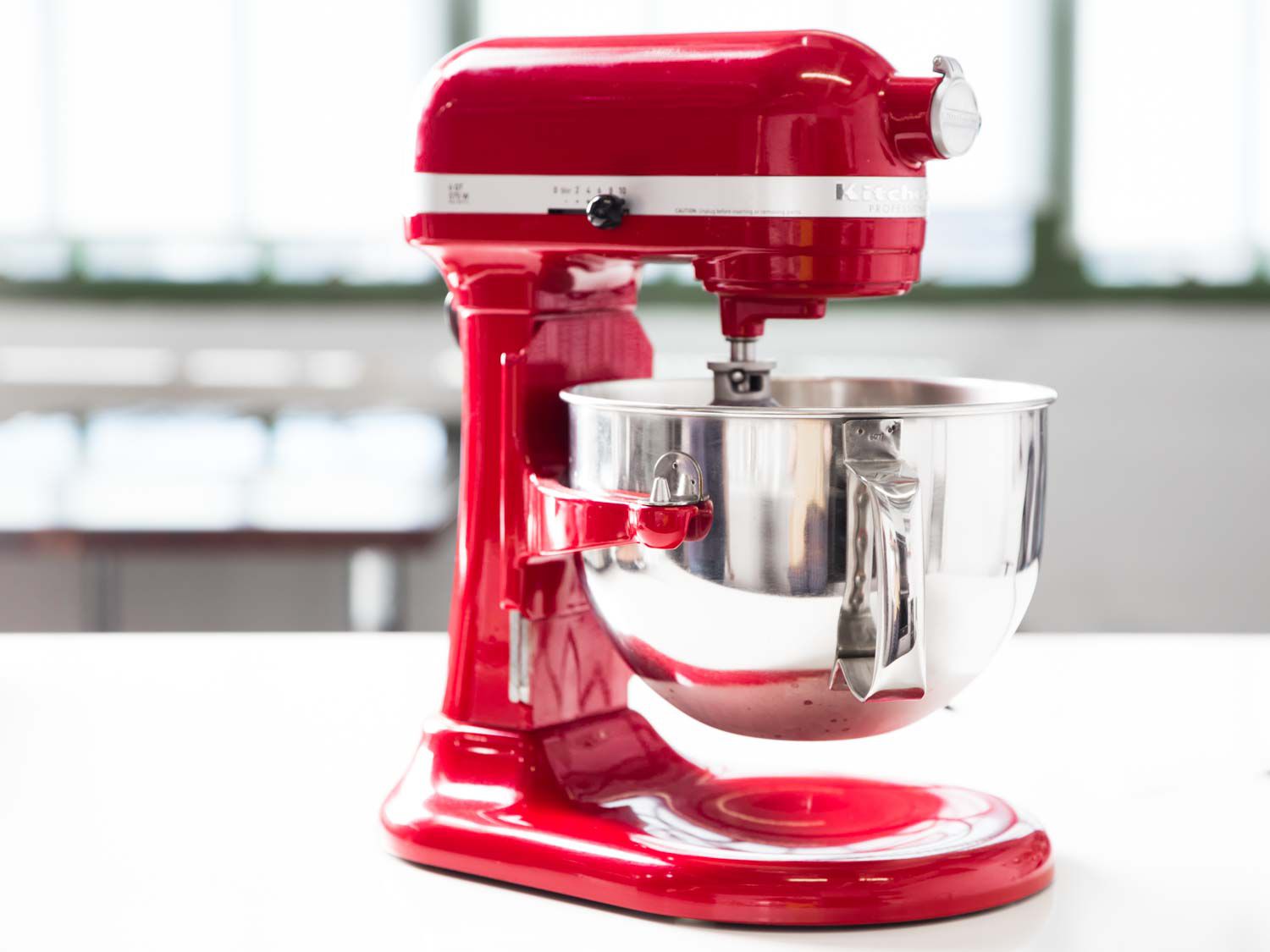
- DC Motors: These are the gold standard. DC motors are significantly more efficient at converting energy into mixer torque. They run quieter, cooler, and can deliver incredible power at a much lower wattage. The iconic KitchenAid Pro Line series, for example, uses a high-efficiency DC motor, which is why it’s a favorite among serious bread bakers.
If you see “DC Motor” listed in the product specifications, you’re likely looking at a high-torque machine.
|
Our Picks for the Best Stand Mixer in 2026
As an Amazon Associate, we earn from qualifying purchases.
|
||
| Num | Product | Action |
|---|---|---|
| 1 | KitchenAid 7 Quart Bowl-Lift Stand Mixer |

|
| 2 | DASH Tilt-Head 3.5qt Stand Mixer 12 Speeds with Paddle, Dough Hook, and Whisk Attaachments - Cream |
|
| 3 | 6-in-1 Multifunctional Stand Mixer, 5.3Qt 660W, 6-Speed Tilt-head, Electric Kitchen Mixer with Stainless Steel Bowl,Meat Grinder, Juice Blender (Black) |
|
| 4 | Instant Pot Stand Mixer Pro,600W 10-Speed Electric Mixer with Digital Interface,7.4-Qt Stainless Steel Bowl,From the Makers of Instant Pot,Dishwasher Safe Whisk,Dough Hook and Mixing Paddle,Silver |
|
| 5 | KitchenAid Classic Series 4.5 Quart Tilt-Head Stand Mixer K45SS, White |
|
| 6 | Stand Mixer | Powerful 660W Motor | Large 6.5 Qt. Bowl | 6-Speed Control | Dishwasher-Safe Attachments | Tilt-Head Design | Perfect for Home Bakers (Red) |
|
| 7 | Kitchen in the box Stand Mixer,3.2Qt Small Electric Food Mixer,6 Speeds Portable Lightweight Kitchen Mixer for Daily Use with Egg Whisk,Dough Hook,Flat Beater (Blue) |
|
| 8 | KitchenAid Artisan Series 5 Quart Tilt Head Stand Mixer with Pouring Shield KSM150PS, Blue Velvet |
|
| 9 | Kitchen in the box Stand Mixer, 900W 8.5QT Kitchen Electric Mixer, 6-Speed Large Capacity Food Mixer for Home Cooks with Egg Whisk, Dough Hook & Flat Beater (Black) |
|
| 10 | COOKLEE 6-IN-1 Stand Mixer, 8.5 Qt. Multifunctional Electric Kitchen Mixer with Beater, Whisk, Dough Hook, Meat Grinder and Other Accessories for Most Home Cooks, SM-1507BM, Silvery |
|
Read Reviews with a Critical Eye
User reviews are your best friend. But don’t just look at the star rating. Search within the reviews for keywords that tell the real story of mixer torque. Look for phrases like:
- “Handled my sourdough starter without a problem.”
- “Kneads double batches of bread dough.”
- “Doesn’t struggle or ‘walk’ on the counter.”
- Conversely, watch for red flags: “stalled,” “motor got hot,” “smelled like it was burning,” “couldn’t handle a full batch of dough.”
Understanding What Is Mixer Torque in Action
Once you have your mixer, you can get a feel for its torque. Pay attention to its performance.
- Listen to the Motor: A high-torque mixer will maintain a consistent, steady sound, even as you add flour or the dough comes together. A low-torque mixer will change pitch, whining or groaning as the load increases.
- Watch the Speed: Does the mixing attachment slow down noticeably when it hits a pocket of resistance? If it maintains its speed, you’ve got good torque.
- Feel for Strain: A struggling mixer will often vibrate more and may even start to move on the countertop. A solid, high-torque machine will feel stable and planted.
A great stand mixer is a long-term investment that can transform your baking from a chore into a joy. Don’t be swayed by a big, flashy wattage number. Instead, focus on the real measure of power: mixer torque. By understanding what it is and how to find it, you’re empowering yourself to choose a machine that won’t just look good on your counter—it will be a reliable partner in your kitchen for countless delicious creations to come.
Frequently Asked Questions (FAQ)
What is the best indicator of good mixer torque if it’s not listed on the box?
The single best indicator is the presence of a DC motor. Look for this in the product specifications. Additionally, search for reviews specifically mentioning performance with heavy bread doughs, as this is the ultimate test of a mixer’s torque.
Can a stand mixer have high torque but low wattage?
Absolutely! This is the hallmark of an efficiently designed machine, typically one with a DC motor. It uses less electricity (lower watts) but converts that energy into powerful twisting force (high torque) more effectively.
Will low mixer torque damage my stand mixer?
Continuously overloading a mixer with tasks that exceed its torque capabilities can cause the motor to overheat and strain. Over time, this can lead to premature wear and motor failure. It’s crucial to work within your machine’s limits.
How does planetary mixing action relate to torque?
Planetary mixing action, where the beater spins on its axis while also orbiting the bowl, ensures thorough mixing. While it’s a feature related to coverage, it still relies on the motor’s mixer torque to power the attachment through the ingredients effectively, especially in a large, full bowl.
Is a tilt-head or bowl-lift model better for torque?
Generally, bowl-lift models are designed for heavier-duty tasks and often feature more powerful, higher-torque motors (like DC motors) to handle larger capacities and tougher doughs. However, there are some very capable high-torque tilt-head models on the market.