We’ve all been there. You follow a recipe to the letter, your kitchen smells like a dream, but when you pull your creation from the oven, it’s a letdown. Your cake is tough, your muffins are dense, and your cookies could be used as hockey pucks. What went wrong? The culprit is often a silent saboteur that happens right in the mixing bowl. So, let’s talk about the big question: What Is Overmixing A Batter? It’s a common pitfall for bakers, both new and experienced, and understanding it is the key to unlocking consistently light, tender, and delicious results.
As the voice behind Stand Mixer Pro, I’ve seen firsthand how a powerful kitchen appliance can be both a blessing and a curse. My first stand mixer was a game-changer; it whipped egg whites into clouds and kneaded bread dough without breaking a sweat. But with great power comes great responsibility. It’s incredibly easy to let that efficient motor run for just 30 seconds too long, turning a promising batter into a baking disaster. This guide will break down the science, show you the warning signs, and teach you how to use your stand mixer to achieve perfection, not problems.
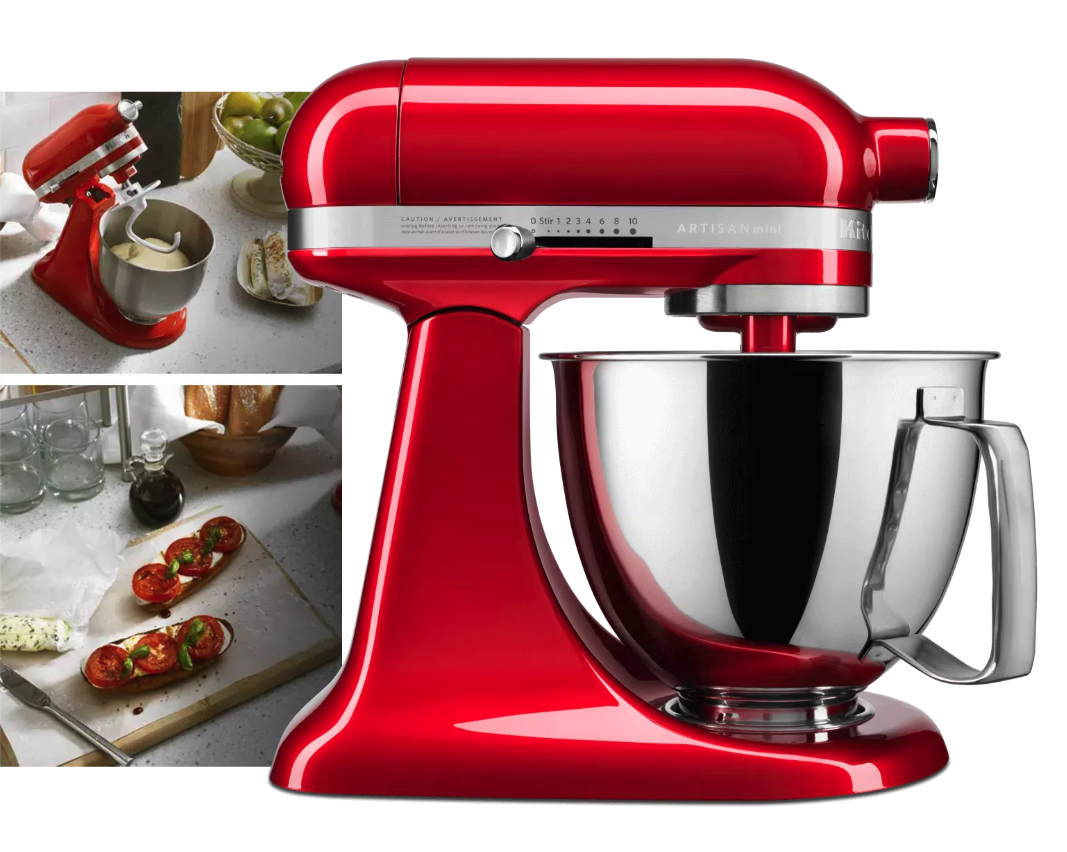
The Science Behind the Batter: What is Overmixing a Batter, Really?
At its core, overmixing is all about one thing: gluten. When you mix flour with a liquid, two proteins in the flour—glutenin and gliadin—link together to form strands of gluten. Think of these strands as a web or a net. A little bit of gluten is a good thing; it provides structure, trapping the air bubbles created by leavening agents (like baking soda or powder) and allowing your baked goods to rise. This is what gives bread its satisfying chew.
However, what is overmixing a batter? It’s the process of developing too much gluten. When you continue to agitate the batter with your stand mixer’s paddle or whisk, that gluten network becomes tighter, stronger, and more elastic.
Imagine stretching a rubber band. A gentle stretch gives it form. But if you keep stretching and working it, it becomes tough and snaps. It’s the same with batter. An overdeveloped gluten network makes the final product:
- Tough and Chewy: Instead of a tender crumb, you get a rubbery texture.
- Dense: The tight gluten structure doesn’t expand as easily, resulting in a heavy, dense bake.
- Full of Tunnels: As the overworked batter bakes, the trapped gases fight their way up through the tight structure, creating long, narrow air pockets or “tunnels.”
This is why most cake and muffin recipes say “mix until just combined.” They’re trying to warn you to stop before you cross that line.
The Telltale Signs: How to Spot an Overmixed Batter
Your batter will give you clues that it’s been overworked. Learning to read them is a crucial skill for any baker. Before it even hits the oven, an overmixed batter might look overly smooth, shiny, and elastic, almost like bread dough.
After baking, the signs are even more obvious:
- A Peaked or Domed Top: Especially in muffins and cupcakes, overmixing can cause them to rise rapidly in a peak and then fall, creating a tough, pointy top.
- A Gummy or Rubbery Texture: This is the most common complaint. The cake or muffin doesn’t melt in your mouth; you have to chew it.
- Large Air Tunnels: When you slice into your bake, you’ll see long, irregular holes instead of a fine, even crumb.
- A Tough, Hard Crust: The exterior of your bake might be surprisingly hard and difficult to bite through.
- Shrinkage: Overmixed products often shrink away from the sides of the pan more significantly as they cool.
If you’ve ever baked something that checked these boxes, you’ve likely experienced the effects of an overmixed batter firsthand. But don’t worry, it’s a mistake we can easily fix with the right technique.
Different Batters, Different Rules: A Mixing Masterclass
Not all batters are created equal. The risk of overmixing changes dramatically depending on what you’re making. This is where mastering your stand mixer, a versatile kitchen appliance, truly pays off.
For Cakes and Quick Breads (The Danger Zone)
This is where you need to be most careful. The goal for cakes, muffins, and quick breads is tenderness. You want minimal gluten development.
- Creaming Stage: When creaming butter and sugar, you can let your stand mixer run with the flat paddle attachment. This stage is about incorporating air, not developing gluten.
- Adding Eggs: Mix on low-to-medium speed, adding eggs one at a time and mixing only until the yolk disappears.
- The Flour Stage: This is the critical point. Always use the lowest speed setting. Add your dry ingredients in portions, alternating with any liquid ingredients. Mix only until the last streak of flour disappears. It’s better to stop early and finish with a few folds by hand using a spatula than to risk overmixing.
According to pastry chef Isabelle Dubois, “The biggest mistake I see home bakers make is walking away from their stand mixer when adding flour. Those last 30 seconds are the most important. Watch your batter like a hawk, and stop the moment it comes together.”
For Cookies (A Little More Forgiving)
Cookie dough is generally lower in liquid and higher in fat than cake batter, which makes it more resilient to overmixing. The fat coats the flour proteins, inhibiting some gluten development. While you still don’t want to mix it endlessly, you have more wiggle room. Overmixing cookie dough can still lead to tough, dry cookies, but it’s less of a hair-trigger situation than with cakes.
For Doughs (When Overmixing Becomes Over-Kneading)
When using your stand mixer’s dough hook for bread, the goal is the opposite: you want to develop a strong gluten network. Here, the risk isn’t overmixing but over-kneading. An over-kneaded dough will be sticky, slack, and hard to handle. It will feel warm to the touch and may tear easily instead of stretching. Most home stand mixers, like the popular KitchenAid models, will struggle and overheat before they severely over-knead dough, but it’s still something to be aware of.
Your Stand Mixer’s Role: Pro Tips to Avoid Overmixing
Your stand mixer is a tool of precision. Here’s how to use its features to your advantage and prevent an overmixed batter.
Know Your Attachments: The Right Tool for the Job
Your mixer likely came with three core attachments. Using the right one is your first line of defense.
- Flat Beater (or Paddle Attachment): This is your workhorse for most batters—creaming butter and sugar, mixing cakes, cookies, and brownies. Its design is perfect for combining ingredients thoroughly without whipping in too much air.
- Wire Whisk: This is for incorporating air. Use it for whipping egg whites, cream, or making light, airy frostings. Never use it to mix cake batter once the flour is added. It will develop gluten way too quickly.
- Dough Hook: This is specifically for kneading bread doughs.
For a deeper dive, you can [read our complete guide to stand mixer attachments].
Master Your Speeds: The “Low and Slow” Philosophy
Every stand mixer has a range of speeds for a reason. When adding dry ingredients to a batter, “Stir” or speed 1 is your best friend. The powerful motor in your machine is efficient. What takes minutes by hand can take seconds in a stand mixer. Resisting the urge to crank up the speed is essential.
The Final Fold: When to Ditch the Machine
Here’s a pro-level tip that has saved countless cakes: don’t rely on your stand mixer for the final mix. After you’ve added the last of your dry ingredients and the machine has run for just a few seconds, stop it. Unlock the tilt-head or lower the bowl, and use a flexible spatula to do the last few folds by hand. This ensures everything at the bottom of the bowl is incorporated without any risk of overmixing. It gives you complete control at the most delicate stage.
Frequently Asked Questions (FAQ)
Q1: What is overmixing a batter in simple terms?
Overmixing a batter means you’ve worked it too much after adding flour, creating an overly strong gluten network. This results in baked goods that are tough, dense, and rubbery instead of light and tender.
Q2: Can I fix an overmixed batter?
Unfortunately, once the gluten is overdeveloped, you can’t undo it. Some say letting the batter rest for 20-30 minutes can help relax the gluten slightly, but it won’t reverse the damage. The best strategy is prevention.
Q3: How do I know when to stop mixing my cake batter?
You should stop your stand mixer the moment you no longer see streaks of dry flour. The batter may still look slightly lumpy, and that’s perfectly okay. A few final gentle folds with a spatula will finish the job safely.
Q4: Is it easier to overmix with a stand mixer than by hand?
Yes, absolutely. The power and efficiency of a stand mixer’s motor and its planetary mixing action (where the beater spins while also traveling around the bowl) can develop gluten much faster than you can by hand. This is why it’s crucial to be attentive.
Q5: Does overmixing affect the taste of baked goods?
While it primarily affects texture, making things tough and chewy, that textural change can certainly impact the overall enjoyment and perceived taste. A dense, gummy cake simply isn’t as pleasant to eat as a light, fluffy one.
The Final Word on Mixing
Understanding what is overmixing a batter is more than just baking science; it’s about learning to work with your ingredients and your equipment, not against them. A stand mixer is an incredible investment that can bring joy and creativity to your kitchen, but like any powerful tool, it requires a bit of knowledge and technique to be used effectively.
By paying attention to your batter, using the right speed and attachment, and knowing when to stop, you’ll leave tough, dense bakes in the past. You’ll be in full control, empowered to create the tender cakes, light muffins, and perfect cookies you’ve always dreamed of. Now, go forth and bake with confidence! We’d love to hear about your baking successes in the comments below.