There’s a sound every baker dreads. It’s not the smoke alarm or a dropped cake pan. It’s the sudden, gut-wrenching clunk, grind, or whine from the heart of your kitchen—your stand mixer. One minute it’s whipping up a perfect meringue, the next it’s dead silent or making a noise that signals something is seriously wrong. Your first thought is panic. Your second is, What Is The Mixer Repair Cost? It’s a critical question that pits your attachment to your trusty kitchen sidekick against the practicalities of your wallet.
I’ve been there. My first serious stand mixer, a gift for my wedding, felt like an extension of my own hands. When it sputtered to a halt mid-brioche, I faced the same dilemma you are now: repair or replace? As the voice behind Stand Mixer Pro, I want to walk you through this decision, breaking down the costs, factors, and common-sense questions to help you make the best choice for your kitchen and your budget. This isn’t just about a number; it’s about understanding the value of your machine.
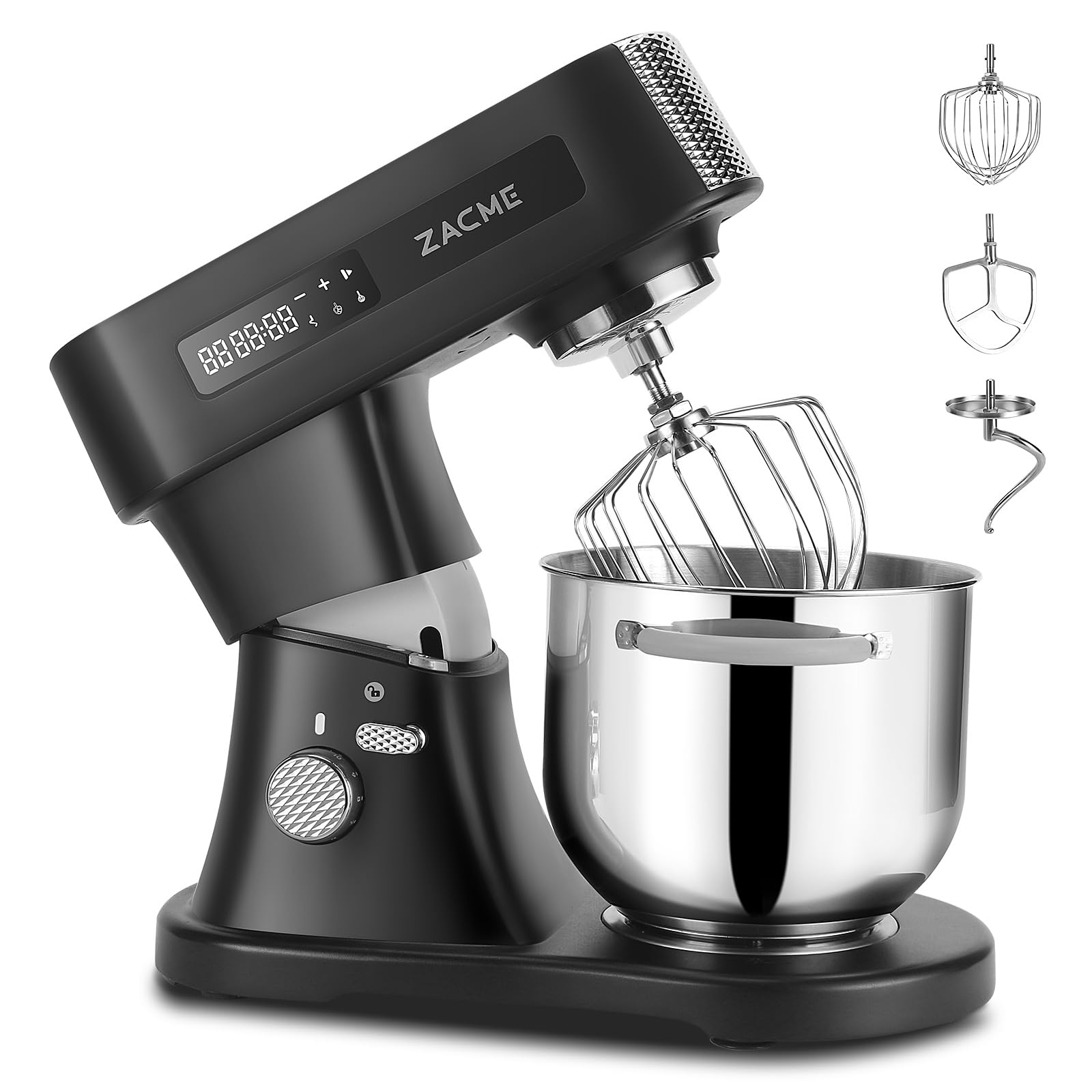
Unpacking the Factors: What Drives Mixer Repair Costs?
Before we can even talk about a dollar amount, you need to understand that “mixer repair cost” isn’t a single, fixed price. It’s a moving target influenced by several key factors. Think of it like a car repair—replacing a windshield wiper is a world away from a full engine rebuild.
The Culprit: What Exactly is Broken?
The single biggest factor is the nature of the problem. Some issues are simple fixes, while others are major surgery for your appliance.
- Worn Carbon Brushes: These are small parts that conduct electricity to the motor. Over time, they wear down. This is a common, relatively inexpensive fix. Your mixer might run intermittently or not at all.
- Stripped Worm Gear: This is the most famous stand mixer ailment, especially in beloved KitchenAid models. The worm gear is often designed to be the first point of failure to protect the motor from burning out. If you overload your machine with a dense dough, this little gear takes the hit. It’s a more involved, but very common, repair.
- Faulty Speed Control Board: If your mixer speeds are erratic—running at full blast on low or not changing speeds at all—the electronic control board is likely the issue. This part can be moderately expensive to replace.
- Motor Failure: This is the big one. A complete motor burnout is the most expensive repair and often pushes the decision towards replacement, especially on older or less premium models.
Parts vs. Labor: The Two Sides of the Bill
Your final bill will always be a combination of two things: the cost of the replacement parts and the cost of the technician’s time (labor).
- Parts: A worm gear might only cost $10-$20, while a new motor could run you $100 or more. The price varies dramatically by brand and model.
- Labor: This is where the cost can really climb. Most appliance repair shops charge an hourly rate, often with a minimum fee just for the diagnostic assessment. Expect to pay anywhere from $75 to $150 per hour for professional labor. A seemingly simple gear replacement can take an hour or more of skilled work.
As Maria Flores, a certified appliance technician with over 15 years of experience, notes, “People sometimes see a $15 part and question a $125 repair bill. What they’re paying for is the expertise to diagnose the problem correctly, disassemble the machine without causing more damage, and reassemble it to factory standards. It’s peace of mind.”
Who Does the Work? Authorized Service vs. Local Repair Shop
Where you take your mixer also impacts the cost. An authorized service center for a brand like KitchenAid or Kenwood will use genuine manufacturer parts and have brand-specific training. This often comes at a premium but maintains your warranty. A trusted local appliance repair shop might offer more competitive labor rates but could use third-party parts.
DIY Repair: The Budget-Friendly Gamble
For the handy and brave, there’s the option of a DIY repair. You can find countless tutorials online for common fixes like replacing a worm gear. Your only cost is the part and your time. However, this path is fraught with risk. You could misdiagnose the problem, cause further damage, or void any remaining warranty. It’s a high-reward but high-risk option.
A Ballpark Figure: Average Mixer Repair Cost Estimates
Okay, let’s get down to brass tacks. While it’s impossible to give an exact quote, we can provide a realistic range for common repairs. The table below outlines what you might expect to pay, combining estimated part and labor costs for a professional repair.
| Common Repair | Estimated Part Cost | Estimated Labor Cost (1-1.5 hours) | Total Estimated Mixer Repair Cost |
|---|---|---|---|
| Worm Gear Replacement | $10 – $25 | $90 – $180 | $100 – $205 |
| Carbon Brush Replacement | $5 – $15 | $75 – $150 | $80 – $165 |
| Speed Control Board | $40 – $80 | $75 – $150 | $115 – $230 |
| Grease Repacking | $10 – $20 (Grease) | $90 – $180 | $100 – $200 |
| Full Motor Replacement | $80 – $150+ | $100 – $200 | $180 – $350+ |
Disclaimer: These are estimates. Prices for parts and labor vary significantly based on your location, mixer model, and the specific repair service.
The Big Question: Should You Repair or Replace Your Stand Mixer?
Now you have an idea of the potential cost. So, how do you decide? It’s not just a math problem. Ask yourself these questions to find the right answer for you.
- What’s the repair cost vs. replacement cost? This is the most straightforward rule. If the estimated mixer repair cost is 50% or more of the price of a brand-new, comparable model, replacement is almost always the smarter financial move.
- How old is your mixer? A stand mixer is a long-term investment. If your 15-year-old workhorse needs a simple gear replacement, it’s absolutely worth fixing. These older machines were often built like tanks. If your 3-year-old budget model has a fried motor, it might be a sign of poor quality, and putting more money into it is unwise.
- How much do you use it? If your stand mixer is a countertop decoration you use twice a year, a pricey repair makes little sense. But if it’s a daily partner for bread baking, pasta making, and more, investing in its longevity is a no-brainer.
- Is there sentimental value? Don’t discount the emotional connection! Like my wedding gift mixer, some appliances mean more to us. If it was a gift from a loved one or has been part of countless family memories, repairing it might be worth it even if the math is borderline.
- Are you tempted by new features or a bigger bowl? Sometimes, a breakdown is the perfect excuse for an upgrade you’ve been dreaming of. Newer models might offer more power, larger capacity, or new attachments that fit your evolving baking journey.
Preventing Future Breakdowns: Maintenance Is Your Best Friend
The best way to deal with repair costs is to avoid them in the first place. A little TLC goes a long way.
- Don’t Overload It: Pay attention to your mixer’s capacity, especially with heavy bread dough. If you hear the motor straining, stop. It’s better to divide the dough and knead it in two batches.
- Start Low, Go Slow: Always start on the lowest speed and gradually increase. This is easier on the motor and gears.
- Listen to Your Machine: You know what your mixer sounds like when it’s happy. If you hear new clicks, grinds, or whines, investigate before it becomes a major problem.
- Keep It Clean: Wipe down the machine after every use. Don’t let flour and gunk build up in the vents or locking mechanisms.
Ultimately, deciding on a stand mixer repair is a personal choice. By understanding the factors that influence the mixer repair cost and evaluating your machine’s age, condition, and value to you, you can move from a state of panic to a position of power. Whether you choose to repair that trusted friend or welcome a new one to your counter, you’ll be making an informed decision that gets you back to what matters most: creating delicious things in your kitchen.
Frequently Asked Questions (FAQ)
Is it worth fixing an old KitchenAid mixer?
Absolutely. Older KitchenAid mixers (especially pre-1980s models made by Hobart) are legendary for their durability. Often, a simple and affordable worm gear replacement is all that’s needed to give them another decade of life, making the repair cost a fantastic investment.
How much does it cost to replace a mixer motor?
Replacing a stand mixer motor is one of the most expensive repairs. You can expect the total cost, including the part and professional labor, to be in the range of $180 to $350 or more, depending on the brand and model.
Can I repair my stand mixer myself?
For mechanically inclined individuals, yes. Common repairs like replacing a worm gear or carbon brushes are possible with online tutorials. However, you risk causing more damage or voiding your warranty. For complex electrical issues, professional help is strongly recommended.
How do I know if my stand mixer gears are stripped?
The most common sign is the motor running but the attachments (beater, whisk) not turning or turning intermittently. You may also hear a loud grinding or clicking noise, which is the sound of the stripped gear failing to engage properly.
What is the average lifespan of a stand mixer?
A quality stand mixer from a reputable brand like KitchenAid or Kenwood can easily last 15 to 20 years with proper care and maintenance. Some models are known to last for 30 years or more, often just needing minor repairs along the way.