There you are, right in the creative zone. The flour is flying, the butter is perfectly softened, and your trusty stand mixer is whirling away, turning simple ingredients into the promise of a delicious bake. Then, your nose twitches. It’s a scent that doesn’t belong with vanilla and sugar—an acrid, concerning smell. So, What To Do If Your Mixer Smells Like Burning? First off, don’t panic. As the senior advisor here at Stand Mixer Pro, I’ve seen—and smelled—it all. That alarming scent is your machine’s way of communicating, and I’m here to help you translate what it’s trying to tell you.
Let’s be honest, my first stand mixer completely changed my baking game. It went from a chore to a joy. But I also remember the first time it got a little too warm and gave off a weird smell. My heart sank. Is it broken? Is it dangerous? These are valid questions, and we’re going to tackle them together, step-by-step, so you can get back to what you love: creating magic in the kitchen.
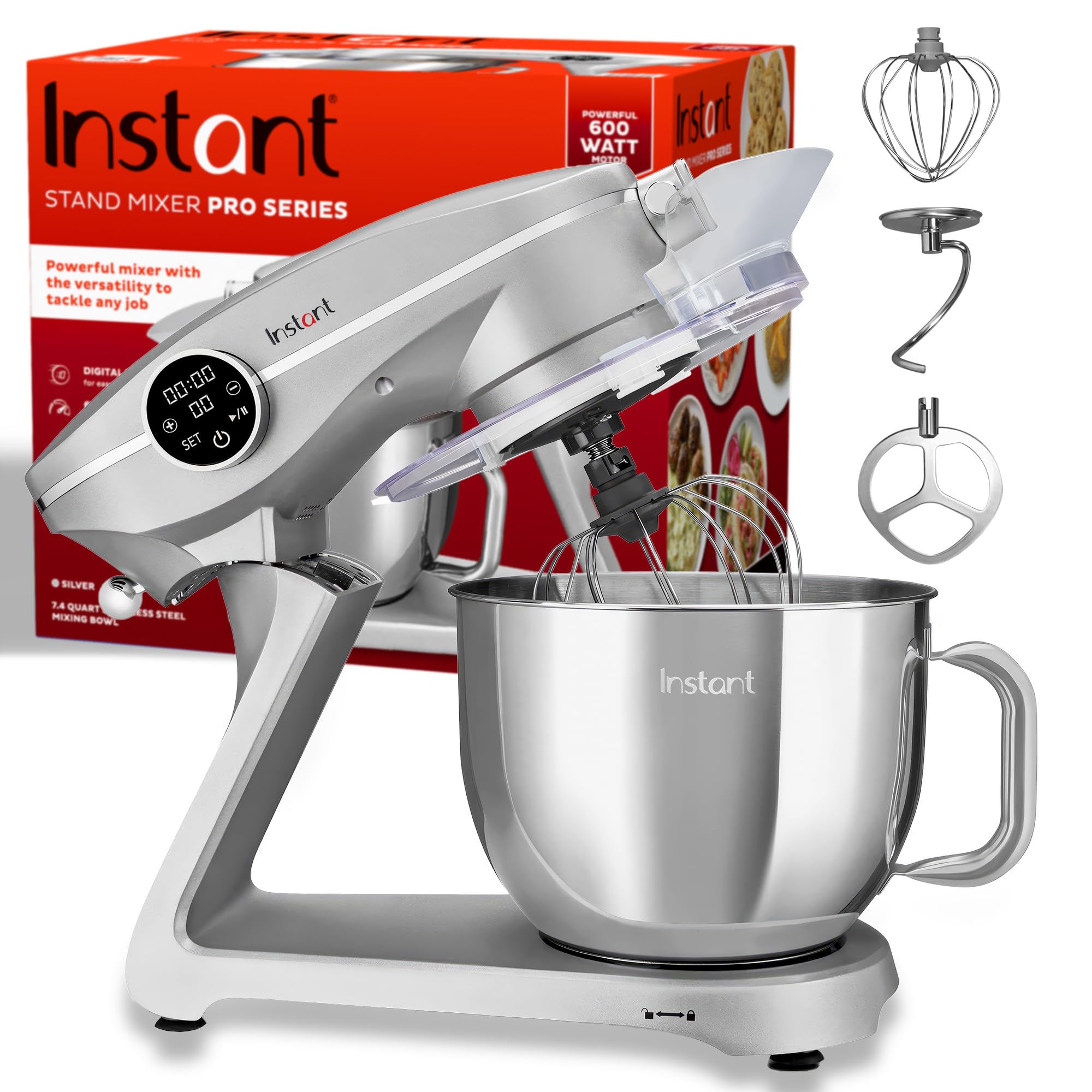
First Things First: Stop, Unplug, and Assess
Before we dive into any diagnostics, the absolute first step is non-negotiable.
Safety is paramount. The moment you detect a burning odor, immediately turn the mixer off and unplug it from the wall outlet. Do not just turn the speed dial to zero; physically disconnect it from the power source. This eliminates any electrical risk and allows the machine to cool down, which is essential for a proper inspection.
Give it at least 15-20 minutes to cool completely before you touch it, especially around the motor housing at the top of the mixer head.
What Kind of Burning Smell Is It? Let’s Play Detective
Not all burning smells are created equal. Identifying the specific type of odor is the most critical clue in diagnosing the problem. Get your nose ready (once it’s cooled, of course!) and let’s figure out what’s going on.
The “New Appliance” Smell (Slightly Electrical or Plasticky)
What it smells like: A faint, warm, slightly chemical or plastic-like smell. It’s not necessarily pungent or alarming, just… new.
What it means: If your stand mixer is brand new and this happens within the first few uses, it’s often perfectly normal. The motor has a protective coating on its windings that needs to “burn off” as it heats up for the first time. It’s part of the manufacturing process, similar to the smell a new oven gives off.
What to do: In most cases, you don’t need to do anything. Let the mixer run for a few minutes without any ingredients (on a low to medium speed) in a well-ventilated area. The smell should dissipate after a few uses. If it persists or gets stronger, then it’s time to investigate further.
The “Overworked Motor” Smell (Hot, Dusty Electrical Smell)
What it smells like: A distinct, hot electrical smell, like an overworked vacuum cleaner or power tool. It’s the classic scent of a motor under serious strain.
What it means: This is your mixer’s cry for help. The motor is working too hard, generating excess heat. This is the most common cause of a burning smell in well-used machines. Think of it like trying to drive a car up a steep hill in the wrong gear—the engine strains and overheats. This often happens when:
- The dough is too stiff or the batch is too large: Kneading a very dense bread dough, like a heavy rye or a double batch of bagels, can easily overload a standard motor.
- Mixing for too long without a break: Many home-use stand mixers need a rest during long kneading sessions. The motor simply isn’t designed for continuous commercial-level operation.
- Using the wrong speed: Starting on a high speed with heavy ingredients can shock the motor. It’s always best to start low and gradually increase the speed.
What to do:
- Let it rest. Unplug the mixer and let it cool down completely for at least 30 minutes.
- Reduce the load. Split your dough or batter into two smaller batches.
- Check your recipe against your mixer’s capacity. You can find your mixer’s capacity in the user manual. A typical 5-quart tilt-head model, like many popular KitchenAid mixers, can handle dough for about two loaves of bread, but not much more.
The “Oily or Greasy” Smell (Pungent and Mechanical)
What it smells like: This is a sharper, more chemical smell than an overworked motor. It might smell like hot oil or grease. You may even see a bit of oily residue near the attachment hub or dripping from the motor head.
What it means: Your stand mixer’s gears are packed with food-grade grease to keep them lubricated. Over time, especially if the machine overheats, this grease can start to break down and separate. The oil can then leak out of the gear housing and onto the hot motor, causing that burning oil smell.
What to do: This is a more mechanical issue. If it’s a minor leak after one instance of overheating, let it cool and clean it up. If it becomes a recurring problem, the mixer likely needs to be re-greased. This is a task that a confident DIYer can tackle, but for most people, it’s best left to a professional service center. Continuing to use a mixer that’s leaking grease can lead to permanent gear damage.
The “Sharp, Acrid Electrical” Smell (Often with a Whiff of Smoke)
What it smells like: This is the most alarming smell. It’s sharp, acrid, and smells distinctly of burning plastic or wires. You might even see a puff of smoke.
What it means: Stop immediately. This is a red flag for a serious electrical problem. It could be a short circuit, a failing motor component, or damage to the internal wiring. This is not a normal operational smell and indicates a potential fire hazard.
What to do: Unplug the appliance and do not use it again. This is not a problem to troubleshoot at home. Contact the manufacturer or a qualified appliance repair technician. It’s simply not worth the risk.
According to seasoned appliance technician, Maria Jenkins, “The difference between a ‘hot motor’ smell and a ‘burning wire’ smell is critical. A hot motor smells like heat and dust; a burning wire smells like a chemical fire. If you smell the latter, your next call should be to a repair service, no exceptions.”
A Step-by-Step Troubleshooting Checklist for a Burning Smell
Feeling a bit overwhelmed? Let’s break it down into a simple checklist for what to do if your mixer smells like burning.
- Turn Off & Unplug: This is your immediate action. Safety first, always.
- Let It Cool: Step away for at least 20-30 minutes. Let the heat dissipate.
- Identify the Smell: Is it a new appliance smell, an overworked motor, leaking oil, or burning wires?
- Inspect the Mixer: Once cool, check the ventilation slots for dust or debris. Look for any signs of leaking oil around the planetary head.
- Assess Your Task: Were you mixing something unusually heavy or large? Re-read your mixer’s manual to confirm you’re within its capacity limits. For reference, you can explore our guides on [choosing the right mixer for your needs].
- Test Run (With Caution): If the smell was minor and likely due to overheating, you can plug it back in and run it on low speed with no ingredients. Listen for any strange grinding noises and watch for any smoke. If the smell returns immediately, unplug it.
- Seek Professional Help: For any signs of an electrical short (acrid smell, smoke) or a significant grease leak, it’s time to call in the pros.
Preventing Future Scares: Proactive Stand Mixer Care
The best way to deal with a burning smell is to prevent it from happening in the first place. A little care goes a long way.
- Know Your Mixer’s Limits: Don’t treat a 300-watt mixer like a 600-watt commercial machine. Respect the dough capacity and mixing time recommendations in your manual.
- Start Low, Go Slow: Always start mixing on the lowest speed to combine ingredients before ramping up. This prevents motor shock.
- Give It a Break: When kneading heavy dough for more than 5-6 minutes, consider giving your mixer a few minutes to cool down mid-knead.
- Keep It Clean: Ensure the motor’s ventilation slots are clean and free of flour dust. A clogged vent can trap heat and contribute to overheating.
- Use the Right Attachment: Using a [flat beater] when you should be using a [dough hook] can put unnecessary strain on the motor.
Frequently Asked Questions (FAQ)
Q1: Is it normal for a new KitchenAid mixer to smell like burning?
A: Yes, it is often normal for a brand new KitchenAid or any stand mixer to have a slight electrical or metallic smell during its first few uses. This is the protective coating on the motor burning off. The smell should go away after a few baking sessions.
Q2: Can I still use my mixer if it smells a little burnt?
A: You should always stop and investigate. If it’s a mild overheating smell from a heavy task, let it cool completely before using it again with a smaller load. If the smell is strong, oily, or acrid like burning plastic, do not use it until it has been inspected.
Q3: How do I know if my stand mixer motor is burning out?
A: Signs of a failing motor include a persistent, strong burning smell that doesn’t go away, a noticeable loss of power (it struggles with tasks it used to handle easily), inconsistent speeds, or strange grinding/whining noises in addition to the smell.
Q4: What does it mean if I see smoke coming from my mixer?
A: Smoke is a serious red flag. It indicates a severe electrical or mechanical failure. Unplug the mixer immediately, do not attempt to use it again, and contact a professional repair service or the manufacturer.
Q5: Why does my mixer get very hot when kneading dough?
A: Kneading dough is the most intensive task for a stand mixer motor. It’s normal for the motor housing to become warm to the touch. However, if it’s too hot to comfortably keep your hand on, it’s a sign the motor is being overworked and is at risk of overheating.
Your Kitchen Partner for the Long Haul
Your stand mixer is more than just a kitchen appliance; it’s a trusted partner in your culinary adventures. Understanding its signals, like a burning smell, is key to a long and productive relationship. By learning what to do if your mixer smells like burning, you’re not just solving a problem—you’re becoming a more informed and confident baker. Remember to stop, assess, and never be afraid to call for backup when needed.
What has your experience been? Have you ever encountered a strange smell from your mixer? Share your stories or ask any lingering questions in the comments below! We’re all here to learn from each other.